顾客在柜台前停留的几秒钟里,玻璃是最容易被忽略的陈列道具,也是最容易坏事的:柜面上一条刺眼的灯光反光带,正好压在项链的做工上;顾客低头看货,先看见自己的影子与身后的灯影,珠宝反被抢了镜。玻璃是透明的,但它的反光时刻在跟货品抢视线。玻璃反光课要解决的,不是把玻璃擦多亮,而是让顾客透过玻璃看清珠宝,而不是看自己。
反光从哪里来:灯、玻璃与人
反光的本质是二次光源:柜头顶灯的光、顾客身后的灯光与亮窗,照到竖直或微斜的柜玻璃上,再反弹进顾客眼里,就成了玻璃上的光带。反光的强弱取决于三件事:光源的位置、玻璃的倾斜角、柜内的明暗。头顶灯越低、越靠近柜面,反光越重;玻璃越接近竖直,越容易把对面光源映出来;柜内灯光不足,顾客视线失去焦点,玻璃上的反光就更抢眼。想任一处反光变轻,先顺着这三条线索去查:灯位能不能抬高、玻璃能不能微倾、柜内能不能再亮三分。珠宝和别的品类不一样:货品小、细节密,顾客看货必须贴得很近,一条反光带只要压在项链的某处环扣上,整件货品的价值感就先掉了一半,所以珠宝柜的反光治理,优先级最高。
灯光配合:先解决头顶与身后
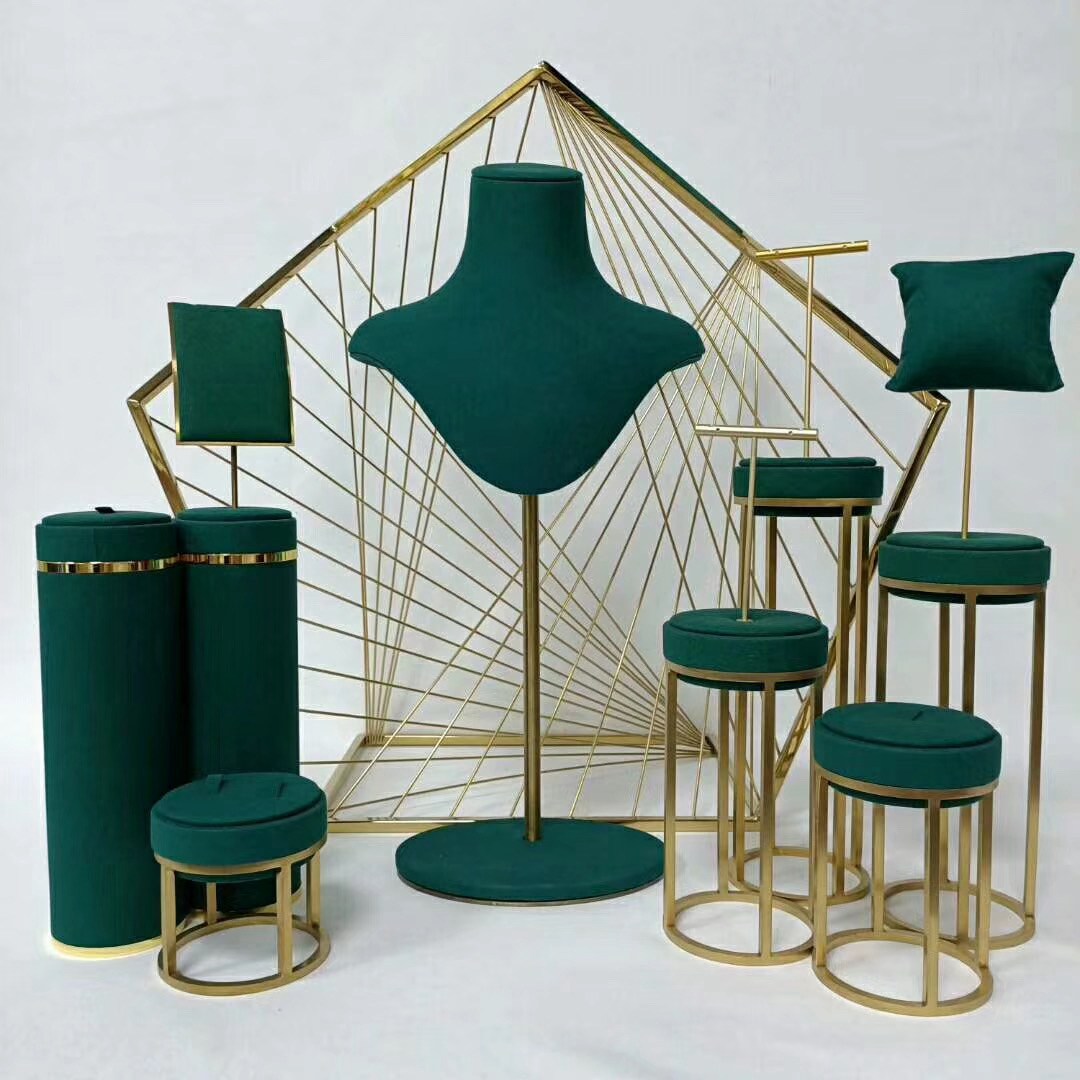
解决反光,灯光配合往往比换玻璃更快见效。柜头顶灯是反光的主要来源:轨道灯压低角度,让光束只打到柜内货品而不落到玻璃面上;灯上加装防眩光罩或蜂窝网,把溢出光收住;顶灯与柜面之间拉开距离,光带自然会减弱。顾客身后也是重点:背后有大面积亮窗、灯箱或装饰灯时,玻璃立刻变成镜子,可以拉上纱帘、降低背景亮度,或调整柜台朝向,让顾客侧向光源。柜内灯光要稍微压过环境光,货品亮起来,玻璃上的反光就会退到视线之外——人眼天然看向更亮的地方,把货品打亮,就是给反光降温。柜内灯带尽量靠货品的一侧排布,给玻璃面留出暗区;用可调角的射灯逐盏调校,光打到货品上、绕开玻璃面,是最快见效的做法。
玻璃本身:低反射与清洁的讲究
玻璃本身的处理决定反光的下限。条件允许的柜台,优先选用低反射玻璃或带防眩镀膜的柜玻璃,能把反光从尖锐的光带压成柔和的弥散,贵货的细节反而更清楚;老柜台换不了玻璃,可以微调安装角度,让玻璃上缘向后倾斜几度,把头灯的反光弹向天花板而不是弹向顾客眼睛。清洁也是玻璃课的一部分:玻璃上的灰尘与指纹会让反光更散、更脏,每天用干净的玻璃布顺一个方向轻拭,避免用含蜡的清洁剂,蜡膜残留久了会发雾;擦玻璃的抹布和擦珠宝的绒布要分开,玻璃布上的残余溶剂沾到托盘上,伤的是货品。玻璃内侧同样要定期检查:柜内潮气与灯管积尘会让内壁发蒙,这种看不见的反光,比明晃晃的光带更难处理。
走场检验:蹲下看、走动看、开灯看
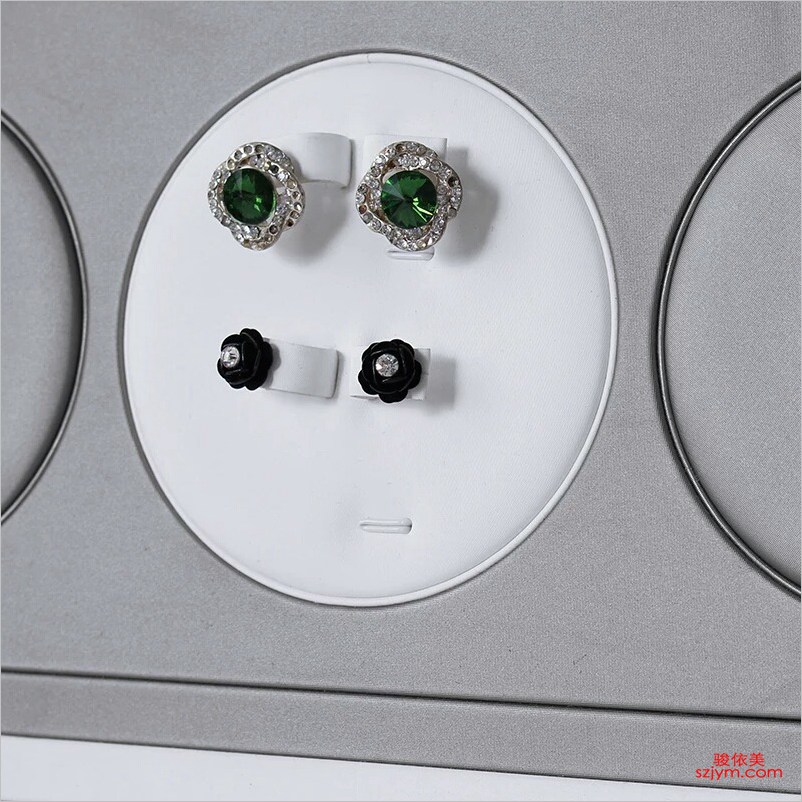
反光问题站在柜台前常常看不出来,要换三个姿势走场。蹲下看:顾客坐在柜前的高度大约在九十厘米上下,蹲到和顾客视线齐平,一眼就能发现哪条光带正好横过货品;走动看:沿柜台走一圈,边走动边观察,走动中反光位置会移动,正好检验玻璃在顾客移动视角下是否始终干净;开灯看:白天自然光和晚上射灯下,反光是两张脸,早晚各巡一次,白天注意窗光,晚上注意顶灯。三遍走下来,凡是反光落到货品上的位置,逐一记下来安排调整,玻璃背后的珠宝,才不会输给玻璃面上的自己。客流高峰时段最好再巡一圈:人多的时候人影、灯影最杂,反光也最重,这个时段能保持清爽,平时自然不会出问题。
玻璃反光课的结论很简单:灯抬高一点,玻璃斜一点,柜内亮一点,货品就清楚一点。尚志优美居专注珠宝陈列设计与柜台道具,灯光点位、托盘道具与展柜布置可按门店情况定制,欢迎结合柜台尺寸咨询调整方案。
原创声明:本文由尚志优美居(szjym.com)原创,欢迎转载,请注明出处。专业珠宝陈列道具,欢迎咨询:https://www.szjym.com
In the few seconds a customer lingers at the counter, glass is the most overlooked display prop - and the most likely to cause trouble: a harsh strip of reflected light across the pane lands right on the workmanship of a necklace; a customer looks down and first sees their own shadow and the lamps behind them, and the jewellery loses the frame. Glass is transparent, but its reflections are constantly competing with the goods for attention. The reflection lesson is not about making the glass shinier; it is about letting customers see the jewellery through the glass - not themselves.
Where Reflection Comes From: Light, Glass and People
Reflection is a second light source by nature: light from cabinet lamps above, lamps behind the customer, and bright windows bounces off the vertical or slightly tilted counter glass and back into the customer's eyes, appearing as a light band on the pane. Its strength depends on three things: where the source sits, how the glass is tilted, and how bright the cabinet is. The lower and closer the overhead lamps, the heavier the reflection; the closer glass stands to vertical, the easier it mirrors the light across the aisle; and when the cabinet is underlit, the customer's eye loses its focus and the reflection grabs more of it. To soften any reflection, trace these three clues: can the lamps be raised, can the glass lean slightly back, and can the cabinet become a little brighter? Jewellery is different from other categories: the pieces are small and dense with detail, and customers must look very close, so a single light band across one jump-ring of a necklace already halves the perceived value of the whole piece - which is why reflection control ranks first on a jewellery counter.
Lighting Coordination: Solve Overhead and Behind First
For reflections, adjusting the lighting often works faster than replacing the glass. The cabinet's overhead lamps are the main source: tilt the track lights down so the beam lands on the goods and not on the glass; fit anti-glare louvres or honeycomb grids to trim spill light; and put more distance between the lamps and the counter top, and the light band fades. What is behind the customer matters as well: with a large bright window, light box or decorative lamps behind them, the glass turns to a mirror at once - draw a sheer curtain, dim the background, or turn the counter so customers sit side-on to the source. The light inside the cabinet should also just outshine the ambient light; when the goods light up, the reflection retreats out of the eyeline - the human eye naturally goes to the brighter place, so brightening the goods is the way to cool the reflection. Run the light strips on the goods side and leave a dark zone along the pane; tune the adjustable spotlights lamp by lamp so the beam hits the goods and skips the glass - the fastest fix of all.
The Glass Itself: Low-Reflection Sheets and the Care of Cleaning
The treatment of the glass itself sets the floor for reflection. Where the budget allows, choose low-reflection glass or glass with an anti-glare coating for the counter: the reflection softens from a sharp band into a diffuse sheen, and the detail of expensive pieces reads better. If an old cabinet cannot change its glass, nudge the installation angle - lean the top edge back a few degrees, so the overhead lamp's reflection bounces toward the ceiling instead of the customer. Cleaning is part of the lesson too: dust and fingerprints make reflections fuzzier and dirtier, so wipe the glass every day with a clean cloth in one direction, and avoid wax-based cleaners - a waxy film clouds over time. Keep the glass cloth and the jewellery velvet apart: solvent residue from the glass cloth, touched to a tray, harms the goods. And inspect the inside of the pane regularly: humidity and lamp dust fog the inner face, and that invisible reflection is harder to handle than a bright band.
Walk the Store: Kneel, Move and Switch the Lights
Reflection problems are rarely visible when you stand at the counter; walk the floor in three postures. Kneel: a seated customer's eye level is roughly ninety centimetres, so kneel to that height and you will see at once which light band crosses the goods. Move: walk along the counter and observe as you go - reflections shift as you move, which is exactly how to check whether the glass stays clean from a moving viewpoint. Switch the lights: daylight and evening spotlights give glass two different faces, so tour the floor twice a day - watch window light by day and overhead lamps by night. After these three passes, list every position where the reflection falls on the goods, adjust them one by one, and the jewellery behind the pane will stop losing to the reflection on it. One more tour at peak hours: more people bring more shadows and more light trails, so reflections are at their heaviest then; keep that period clean and the rest of the day takes care of itself.
The conclusion of the reflection lesson is simple: raise the lamps a little, tilt the glass a little, brighten the cabinet a little - and the goods become clearer. Shangzhi Youmeiju focuses on jewellery display design and counter props; lighting positions, tray props and cabinet layouts can be customised to your store. Welcome to discuss an adjustment plan for your counter dimensions.
Original statement: This article is original by Shangzhi Youmeiju (szjym.com). Credit appreciated when sharing. Professional jewellery display props, welcome to visit: https://www.szjym.com


