深圳骏依美首饰包装有限公司SHENZHEN JUNYIMEI JEWELRY PACKAGING CO., LTD.
中文English
世界黄金协会报告解读:金饰回暖信号下的柜台陈列升级Reading the World Gold Council Report: Counter Display Upgrades for a Recovering Gold-Jewelry Market
11月3日,世界黄金协会发布2026年三季度《全球黄金需求趋势》报告,发布会现场给出了一个值得关注的信号:协会中国区负责人在走访深圳水贝时发现,零售商采购与消费者购金均已出现回暖迹象,若无极端波动,四季度库存周期带动下年底旺季需求有望较三季度改善。报告数字显示,三季度中国金饰消费量环比回升30%至66吨,扭转了二季度环比骤降41%的颓势;按金额计,三季度金饰消费支出达608亿元,环比增长23%。虽然同比仍处低位,但“环比回升+消费金额韧性”的组合,正说明市场最冷的阶段可能在悄悄过去。
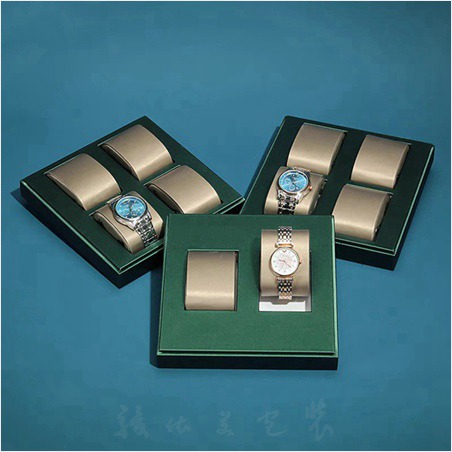 报告里最值得柜台经营者关注的一句话,是消费两极分化的延续:消费者“买得更少、花得更多”。一方面,硬足金产品——尤其是镶嵌钻石、彩宝与珐琅的复古或时尚款式——持续受到年轻消费者青睐,这类产品工费更高但克重较轻,相对“钱包友好”;另一方面,9月金价回调期间,工费较低的大克重金饰也重获关注,被兼顾投资价值与佩戴审美的消费者追捧。这意味着柜台上不能只有一种陈列逻辑:硬足金工艺款要用灯光和托位放大工艺细节,让“高工费”看得见、摸得着;大克重基础款则要突出克重与成色信息,让保守型顾客一眼算出性价比。两种货品分区分层陈列,各说各话,才能同时接住两类客流。
除了报告数据,水贝市场的实况同样值得留意:今年不少水贝商户把柜台从“满铺”改成“主题陈列”,比如按古法金、硬足金、钻石镶嵌分区,客单价与成交率都有提升;一些门店在柜台前增加独立的试戴桌与消毒毛巾,把服务细节做进陈列流程里。报告把“消费金额环比增长23%”归结为产品升级与工艺升级的贡献,说明顾客愿意为看得见的工艺多花钱,前提是柜台能把它讲明白。建议每个热销工艺款旁边配一张小小的工艺说明卡,写明工艺名称、工费构成与佩戴保养要点,销售在介绍时就有章可循,顾客拿在手里也能边看边理解。
金饰消费回暖的另一个抓手,是柜台里的“试戴体验”。年轻人买金饰越来越看重“上身效果”,试戴镜、托盘与灯光的配合直接决定转化率。给试戴区配一面带柔光的主镜,旁边放好可活动的小托盘,顾客试戴戒指与手镯时就能自然看到多个角度;灯光要做到“显色准、不刺眼、不偏色”,避免把足金照成浅黄、把玫瑰金照成橘红。陈列道具第二重要的是防滑与稳妥:水贝走访中商户普遍反映客流在增加,人一多,托盘翻倒、货品滑落的概率就上升,绒面托盘、带挡边的展示座、金属配重的立牌,都是客流高峰期的隐形安全网。生意回暖的时候,细节就是利润。
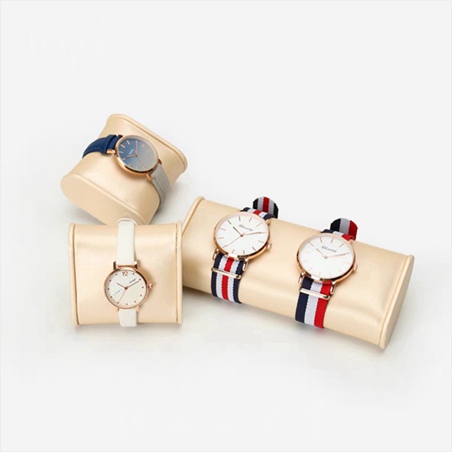 走量相对集中的黄金柜台,还要注意陈列的节奏感:把连带率高的商品放在同一视线范围,比如龙凤镯与配套项链相邻、三金套件集中一个展示区,顾客试戴一件时自然看到另一件,连带成交比单独推销更省力。四季度促销活动增多,价签、促销立牌与柜台陈列要同步更新,避免“柜上有货、牌上无价”的尴尬;活动期间的陈列道具也建议提前采购到位,避免旺季临时缺货影响整体形象。
四季度还有几个明确的节令节点值得提前布置:婚庆旺季带动的龙凤镯、三金套件需求,元旦跨年场景的悦己送礼需求,以及春节前的生肖与古法金集中购买。报告提示的“若金价无极端波动,年底需求有望继续改善”给零售端吃下一颗定心丸——备货与陈列可以适度乐观。建议柜台经营者趁客流回暖窗口,做三件事:一是复盘三季度滞销款,把占库存又不出样的货品集中清理或降级陈列;二是把热销工艺款提到主展位,配合材质说明牌讲清“工费贵在哪”;三是提前测试灯光与托盘,确保旺季高峰时每位顾客都有好的试戴体验,而不是被挤到看不清货。
世界黄金协会这份报告,本质上是给零售端的一份“回暖前奏”提示。数据不会骗人:环比回升30%的消费量、明显回暖的水贝采购、硬足金与大克重的双线走强,都指向同一个结论——顾客没有离开,只是在等待更好的价格与更好的体验。柜台要做的,就是用更有层次的陈列、更专业的试戴服务,把回暖的信号兑换成实打实的成交。尚志优美居专注珠宝陈列设计与柜台道具,可提供试戴镜、托盘、灯光与展柜一站式配套,助您赢在四季度回暖行情。
报告里最值得柜台经营者关注的一句话,是消费两极分化的延续:消费者“买得更少、花得更多”。一方面,硬足金产品——尤其是镶嵌钻石、彩宝与珐琅的复古或时尚款式——持续受到年轻消费者青睐,这类产品工费更高但克重较轻,相对“钱包友好”;另一方面,9月金价回调期间,工费较低的大克重金饰也重获关注,被兼顾投资价值与佩戴审美的消费者追捧。这意味着柜台上不能只有一种陈列逻辑:硬足金工艺款要用灯光和托位放大工艺细节,让“高工费”看得见、摸得着;大克重基础款则要突出克重与成色信息,让保守型顾客一眼算出性价比。两种货品分区分层陈列,各说各话,才能同时接住两类客流。
除了报告数据,水贝市场的实况同样值得留意:今年不少水贝商户把柜台从“满铺”改成“主题陈列”,比如按古法金、硬足金、钻石镶嵌分区,客单价与成交率都有提升;一些门店在柜台前增加独立的试戴桌与消毒毛巾,把服务细节做进陈列流程里。报告把“消费金额环比增长23%”归结为产品升级与工艺升级的贡献,说明顾客愿意为看得见的工艺多花钱,前提是柜台能把它讲明白。建议每个热销工艺款旁边配一张小小的工艺说明卡,写明工艺名称、工费构成与佩戴保养要点,销售在介绍时就有章可循,顾客拿在手里也能边看边理解。
金饰消费回暖的另一个抓手,是柜台里的“试戴体验”。年轻人买金饰越来越看重“上身效果”,试戴镜、托盘与灯光的配合直接决定转化率。给试戴区配一面带柔光的主镜,旁边放好可活动的小托盘,顾客试戴戒指与手镯时就能自然看到多个角度;灯光要做到“显色准、不刺眼、不偏色”,避免把足金照成浅黄、把玫瑰金照成橘红。陈列道具第二重要的是防滑与稳妥:水贝走访中商户普遍反映客流在增加,人一多,托盘翻倒、货品滑落的概率就上升,绒面托盘、带挡边的展示座、金属配重的立牌,都是客流高峰期的隐形安全网。生意回暖的时候,细节就是利润。
走量相对集中的黄金柜台,还要注意陈列的节奏感:把连带率高的商品放在同一视线范围,比如龙凤镯与配套项链相邻、三金套件集中一个展示区,顾客试戴一件时自然看到另一件,连带成交比单独推销更省力。四季度促销活动增多,价签、促销立牌与柜台陈列要同步更新,避免“柜上有货、牌上无价”的尴尬;活动期间的陈列道具也建议提前采购到位,避免旺季临时缺货影响整体形象。
四季度还有几个明确的节令节点值得提前布置:婚庆旺季带动的龙凤镯、三金套件需求,元旦跨年场景的悦己送礼需求,以及春节前的生肖与古法金集中购买。报告提示的“若金价无极端波动,年底需求有望继续改善”给零售端吃下一颗定心丸——备货与陈列可以适度乐观。建议柜台经营者趁客流回暖窗口,做三件事:一是复盘三季度滞销款,把占库存又不出样的货品集中清理或降级陈列;二是把热销工艺款提到主展位,配合材质说明牌讲清“工费贵在哪”;三是提前测试灯光与托盘,确保旺季高峰时每位顾客都有好的试戴体验,而不是被挤到看不清货。
世界黄金协会这份报告,本质上是给零售端的一份“回暖前奏”提示。数据不会骗人:环比回升30%的消费量、明显回暖的水贝采购、硬足金与大克重的双线走强,都指向同一个结论——顾客没有离开,只是在等待更好的价格与更好的体验。柜台要做的,就是用更有层次的陈列、更专业的试戴服务,把回暖的信号兑换成实打实的成交。尚志优美居专注珠宝陈列设计与柜台道具,可提供试戴镜、托盘、灯光与展柜一站式配套,助您赢在四季度回暖行情。微信咨询WeChat
扫码添加微信咨询Scan QR code to add WeChat

©2005-2026 深圳骏依美首饰包装有限公司 版权所有 | 21年专注珠宝包装定制©2005-2026 Shenzhen Junyimei Jewelry Packaging Co., Ltd. All Rights Reserved | 21 Years Expertise
特别申明:网站上的图不作品牌复制,图例只作展示,如有不妥请联系我们删除!《品牌订制必需提供品牌授权书》Special Note: Images on this site are for display only, not brand copies. Contact us for removal if any issue arises. Brand customization requires a brand authorization letter.
网站备案/许可证编号:湘ICP备2023014570号Website Registration: Xiang ICP 2023014570

湘公网安备 43020302000290号
☎


