深圳骏依美首饰包装有限公司SHENZHEN JUNYIMEI JEWELRY PACKAGING CO., LTD.
中文English
营业前后的陈列复位清单:开柜、点数与收柜的节奏The Open-and-Close Ritual: A Display Reset Checklist for Retail Days
珠宝柜台每天两次的“换班”,是陈列质量的分水岭:营业前的三十分钟决定了客人进门时看到的是整齐有序还是错误百出,闭店后的十五分钟决定了第二天早上开柜时是接着干还是先收拾。很多门店把陈列当成“摆一次就完”的工作,结果白天靠销售零零碎碎地救火,晚上顺手一盖就算收工,柜台的精致感一天比一天稀薄。真正省力的做法,是把开柜、点数、收柜各做成一份清单,让每一天的陈列有始有终。
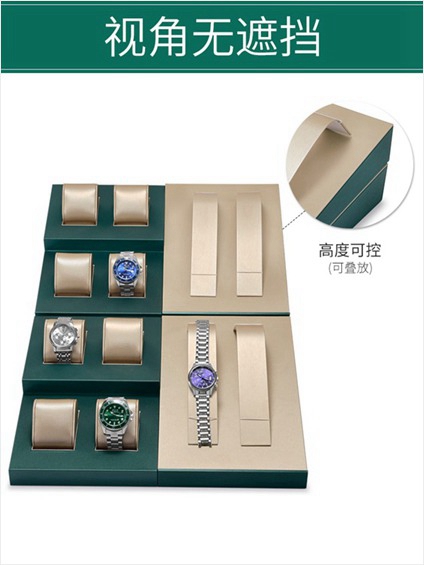 先看营业前的开柜清单。开店前半小时,按顺序做四件事。第一件是“开灯看光”,把柜台灯光全部打开,检查有没有灯管闪烁、灯珠变暗,灯光是珠宝的第一层陈列,灯不亮,货白摆。第二件是“复位道具”,把昨天闭店时收走或移动的托盘、立牌、展示架按陈列图摆回原位,检查有没有歪斜、倒伏、位置漂移,尤其是容易被客人碰歪的立式道具。第三件是“检查货品”,快速核对柜内与抽屉里货品的数量是否与昨日的台账一致,发现短少立即上报,不等客人发现。第四件是“试开一次柜门”,抽屉、玻璃柜门、锁具开关顺畅,避免营业中被卡住的柜门耽误取货。开柜清单做完,柜台才算是正式“开门见客”。
营业中的微复位同样值得纳入节奏。客人多的时候,托盘被翻乱、立牌被碰倒几乎是必然的,关键是谁来复位、什么时候复位。可以约定“低峰三分钟”:趁客流少的三分钟,把柜台快速复位一遍——托盘收拢、货品归位、立牌扶正、台面擦净,然后再接待下一波客人。这样复位不用专门留时间,穿插在营业节奏里,柜台的乱象不会累积,销售找货也一直有据可依。微复位做得好,闭店时的收柜会轻松很多。
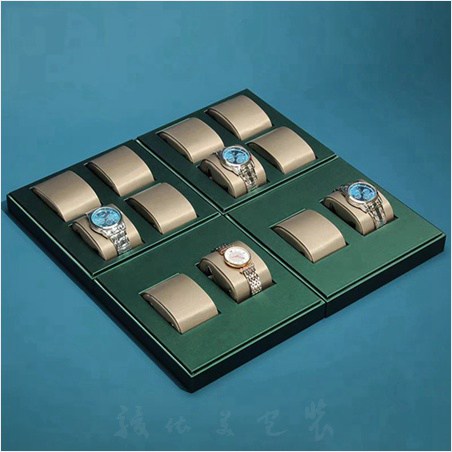 巡场不是只看货,还要留心客人在台面上留下的痕迹。低峰三分钟里顺手检查价签是否还在、朝向是否统一,托盘里有没有纸屑杂物;绒布上被戒指划出的印子、玻璃上留下的指纹,随手擦掉——顾客的视线会沿着上一个客人留下的痕迹走。再把散落在柜角的展示品、歪倒的立牌扶正。这些小动作加起来不超过三分钟,却能让柜台时刻保持在刚摆好的状态。
闭店后的收柜清单是当天陈列的收尾。顺序上先贵重后普通:第一,高值货品逐件清点后入保险柜或带锁抽屉,清点时一人点数一人复核,双人确认是珠宝柜台的基本规矩;第二,普通货品按品类放回抽屉或柜内,托盘里的货品“件件归位”,不要整盘端起倒进抽屉,散落的小件第二天很难找齐;第三,展示道具归位,立架、人台、托盘按陈列图放回固定位置,避免第二天早上重新“找道具”;第四,关灯、锁柜、检查窗,把玻璃柜门锁好后顺手带一下确认锁舌到位。收柜不是把东西塞起来,而是给第二天的开柜留下一个好起点。
盘点与台账的节奏最容易被忽略。营业前后各记一次,不只在电脑里改数字,还在台账上标注哪些款式今天被试戴得多、哪几件滞销、哪几件需要补货;连续三天的记录比月底的一次大复盘更能指导陈列调整。柜台点数一次数、二次核、三次抽:高峰期前后各抽查一遍高值件,让数字始终对得上货。台账清晰,开柜收柜的快慢都写在节奏里。
还有一份更长周期的“大复位”清单,适合周初或大促前。周复位的内容是:陈列位整体检查一遍,判断哪些货品卖得好需要往前放、哪些卖得慢需要调整位置;道具做一次清洁保养,绒布吸尘、玻璃擦净、五金件检查松动;价签和 POP 逐件核对,过期的促销物料撤下换新;柜台下方的备货区顺手整理,抽屉内部分类归位。大复位不用天天做,但每周一次,能让柜台始终保持“新开张”的状态。
把陈列变成节奏,而不是心情。开柜有清单,营业中有微复位,闭店有收柜单,每周有大复位,四层节奏叠在一起,柜台的秩序就不再依赖某一位销售的责任心,而成了门店本身的习惯。客人看到的每一眼整洁,背后都是这些看不见的清单在运转。做珠宝陈列,摆得好是技术,一直摆得好才是功夫。
先看营业前的开柜清单。开店前半小时,按顺序做四件事。第一件是“开灯看光”,把柜台灯光全部打开,检查有没有灯管闪烁、灯珠变暗,灯光是珠宝的第一层陈列,灯不亮,货白摆。第二件是“复位道具”,把昨天闭店时收走或移动的托盘、立牌、展示架按陈列图摆回原位,检查有没有歪斜、倒伏、位置漂移,尤其是容易被客人碰歪的立式道具。第三件是“检查货品”,快速核对柜内与抽屉里货品的数量是否与昨日的台账一致,发现短少立即上报,不等客人发现。第四件是“试开一次柜门”,抽屉、玻璃柜门、锁具开关顺畅,避免营业中被卡住的柜门耽误取货。开柜清单做完,柜台才算是正式“开门见客”。
营业中的微复位同样值得纳入节奏。客人多的时候,托盘被翻乱、立牌被碰倒几乎是必然的,关键是谁来复位、什么时候复位。可以约定“低峰三分钟”:趁客流少的三分钟,把柜台快速复位一遍——托盘收拢、货品归位、立牌扶正、台面擦净,然后再接待下一波客人。这样复位不用专门留时间,穿插在营业节奏里,柜台的乱象不会累积,销售找货也一直有据可依。微复位做得好,闭店时的收柜会轻松很多。
巡场不是只看货,还要留心客人在台面上留下的痕迹。低峰三分钟里顺手检查价签是否还在、朝向是否统一,托盘里有没有纸屑杂物;绒布上被戒指划出的印子、玻璃上留下的指纹,随手擦掉——顾客的视线会沿着上一个客人留下的痕迹走。再把散落在柜角的展示品、歪倒的立牌扶正。这些小动作加起来不超过三分钟,却能让柜台时刻保持在刚摆好的状态。
闭店后的收柜清单是当天陈列的收尾。顺序上先贵重后普通:第一,高值货品逐件清点后入保险柜或带锁抽屉,清点时一人点数一人复核,双人确认是珠宝柜台的基本规矩;第二,普通货品按品类放回抽屉或柜内,托盘里的货品“件件归位”,不要整盘端起倒进抽屉,散落的小件第二天很难找齐;第三,展示道具归位,立架、人台、托盘按陈列图放回固定位置,避免第二天早上重新“找道具”;第四,关灯、锁柜、检查窗,把玻璃柜门锁好后顺手带一下确认锁舌到位。收柜不是把东西塞起来,而是给第二天的开柜留下一个好起点。
盘点与台账的节奏最容易被忽略。营业前后各记一次,不只在电脑里改数字,还在台账上标注哪些款式今天被试戴得多、哪几件滞销、哪几件需要补货;连续三天的记录比月底的一次大复盘更能指导陈列调整。柜台点数一次数、二次核、三次抽:高峰期前后各抽查一遍高值件,让数字始终对得上货。台账清晰,开柜收柜的快慢都写在节奏里。
还有一份更长周期的“大复位”清单,适合周初或大促前。周复位的内容是:陈列位整体检查一遍,判断哪些货品卖得好需要往前放、哪些卖得慢需要调整位置;道具做一次清洁保养,绒布吸尘、玻璃擦净、五金件检查松动;价签和 POP 逐件核对,过期的促销物料撤下换新;柜台下方的备货区顺手整理,抽屉内部分类归位。大复位不用天天做,但每周一次,能让柜台始终保持“新开张”的状态。
把陈列变成节奏,而不是心情。开柜有清单,营业中有微复位,闭店有收柜单,每周有大复位,四层节奏叠在一起,柜台的秩序就不再依赖某一位销售的责任心,而成了门店本身的习惯。客人看到的每一眼整洁,背后都是这些看不见的清单在运转。做珠宝陈列,摆得好是技术,一直摆得好才是功夫。微信咨询WeChat
扫码添加微信咨询Scan QR code to add WeChat

©2005-2026 深圳骏依美首饰包装有限公司 版权所有 | 21年专注珠宝包装定制©2005-2026 Shenzhen Junyimei Jewelry Packaging Co., Ltd. All Rights Reserved | 21 Years Expertise
特别申明:网站上的图不作品牌复制,图例只作展示,如有不妥请联系我们删除!《品牌订制必需提供品牌授权书》Special Note: Images on this site are for display only, not brand copies. Contact us for removal if any issue arises. Brand customization requires a brand authorization letter.
网站备案/许可证编号:湘ICP备2023014570号Website Registration: Xiang ICP 2023014570

湘公网安备 43020302000290号
☎


