深圳骏依美首饰包装有限公司SHENZHEN JUNYIMEI JEWELRY PACKAGING CO., LTD.
中文English
珠宝店橱窗的季度换装法则:主题、主推与留白Quarterly Window Display Renewal for Jewelry Stores: Theme, Hero Products and White Space
橱窗是珠宝店离顾客最近的一块广告位。路过的行人停下脚步的三秒钟里,橱窗要完成吸引注意、传递风格、暗示价位三件事。很多店铺的橱窗平时不做换装,一挂就是半年甚至更久,玻璃后还是开业时的布置,时间一长,顾客对店面形成审美疲劳,进店欲望自然下降。珠宝橱窗需要按季度换装,不是为换而换,而是让陈列节奏跟着季节、节令与新品周期走。本文从主题、主推与留白三个关键词出发,给出珠宝店橱窗季度换装的一套可落地操作方法。
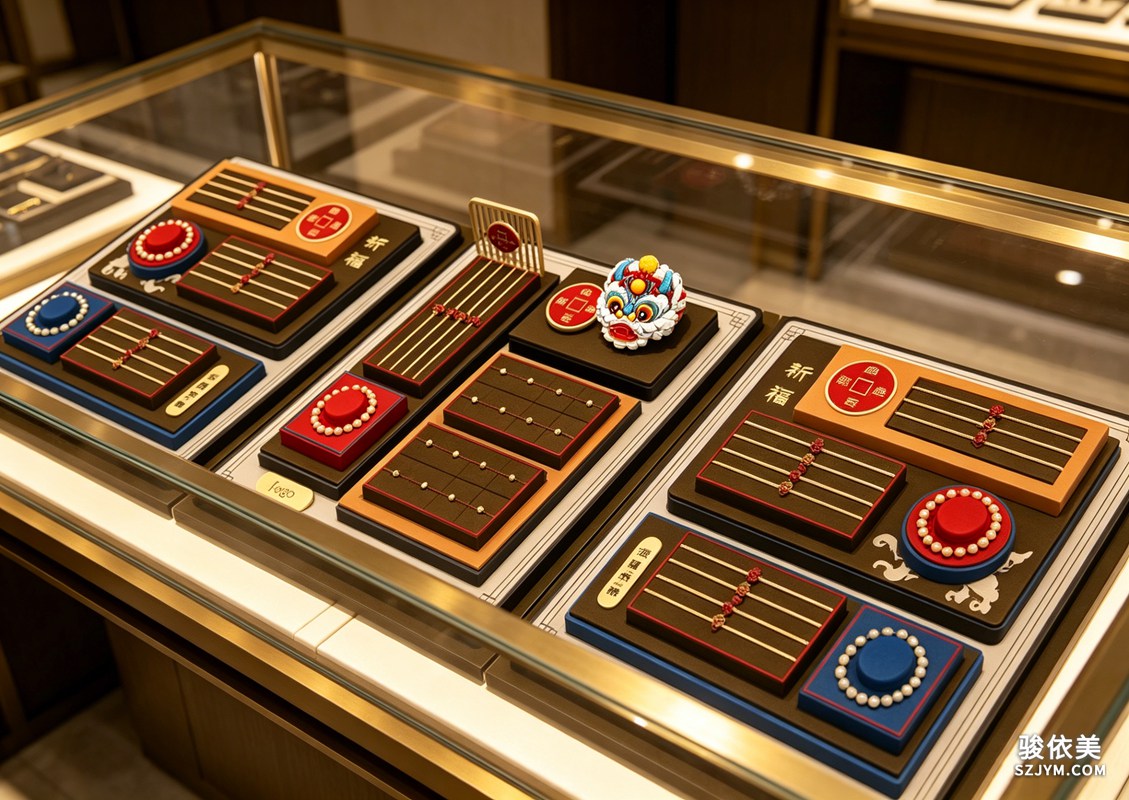 主题先行,换装先定故事线。珠宝橱窗最容易犯的错误是堆产品:手链、项链、戒指全都摆上去,顾客看到的是一堆亮闪闪的物件,却没有一句话可记。季度换装的第一步应该是定主题,把当季要传达的情绪浓缩成一个词或一句话。春天讲新生与轻盈,用浅色绒布、花瓣造型的陈列托与低饱和灯光;夏季讲清凉与度假,用琉璃质感的展示台与水波纹背景;秋季讲收获与温润,用木质格架、琥珀色调与暖光;冬季讲节庆与仪式,用丝绒、金属与烛光般的光源。主题定了,产品的选择、道具的形制、灯光的色温都围绕它展开,橱窗才能形成统一的视觉语言。换装的时间也要提前规划:建议在季度开始前两周启动设计,前一周完成道具采购与旧货下架,季初第一个周末完成主力布置,让新主题在季度的第一天就与顾客见面。
主推产品要占据视觉中心,其余产品让位。一个橱窗只讲一个主角,这是陈列的基本纪律。选定当季主推后,给它安排橱窗内最优的位置:一般位于黄金视线的交汇点,即橱窗高度三分之一到三分之二之间的中心区域,配以独立射灯与更高级别的陈列道具,使其亮度、体量或色彩饱和度明显高于周边。配角产品退到两侧或后方,以成组、成系列的方式出现,与主推形成呼应而非竞争。换装时还要考虑主推产品的迭代节奏:多数珠宝品牌每季有一批新品上市,橱窗主推应在新品到店前一周就位,让顾客在新品上市前就已形成期待;季中再根据销售数据做一次小幅更替,把动销最快的款提上主推位。
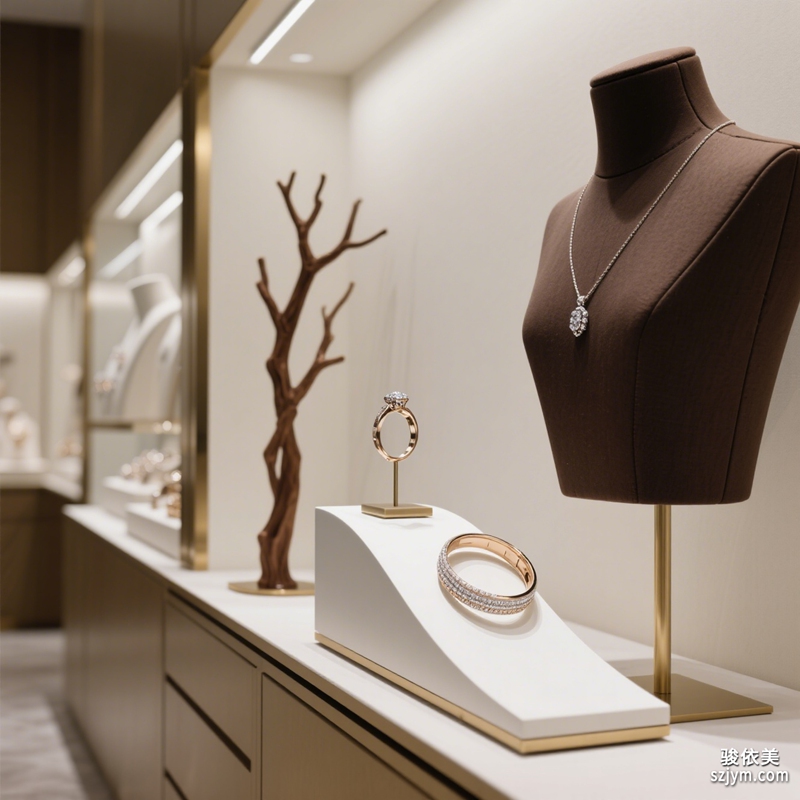 留白是橱窗的高级表达,尤其在珠宝品类里。黄金与钻石本身具有高反光属性,在灯光充足时已经足够抢眼,橱窗里塞得越满,越难看出哪一件是主角。留白包含两层意思:一是道具与产品的数量要克制,一个一米二宽的橱窗,主推加配角控制在十件左右,多于这个数就进入拥挤区间;二是色彩的留白,背景与道具大面积使用低饱和色,只在主推周围用少量高饱和点缀,让顾客的目光有休息的地方,也有聚焦的地方。留白不是空,而是用空间的疏密关系制造节奏,让橱窗在闹市中保持一份安静的高级感。道具的形制也宜控制在两到三种以内,材质与色彩呼应主题,过多花样的道具会分散对产品本身的注意力。
换装的执行还要纳入日常的维护机制。季度换装不是一次性动作,而是以一个季度为周期、以周为单位的持续管理:每周检查一次灯光色温与亮度,色温漂移超过两百开尔文就要调整或更换灯珠;每两周清洁一次玻璃与陈列道具表面,指纹与灰尘在强光下会被放大,直接影响质感;每月抽出半天做一次微调,把销售数据中最热的款挪到橱窗更靠前的位置。换装当天还要记录布置方案与销售数据,一个季度结束后对比换装前后的进店量与主推款销量,用数据判断这次换装是否合格,为下一季的换装提供依据。换装间隙的过渡期也不可忽略:旧主题撤换到新主题就位之间,用纯色绒布配少量常青款作为过渡陈列,避免橱窗出现空窗,让店面始终以完整形象示人。
橱窗换装的本质,是把珠宝店的品牌叙事按季度重新讲一遍。主题负责情绪,主推负责焦点,留白负责质感,三者配合、持续维护,橱窗才能始终保有新鲜感与说服力。对珠宝店而言,季度换装投入的只是道具、灯光与半天的人工,收获的却是街面上长期有效的第一块品牌广告。
主题先行,换装先定故事线。珠宝橱窗最容易犯的错误是堆产品:手链、项链、戒指全都摆上去,顾客看到的是一堆亮闪闪的物件,却没有一句话可记。季度换装的第一步应该是定主题,把当季要传达的情绪浓缩成一个词或一句话。春天讲新生与轻盈,用浅色绒布、花瓣造型的陈列托与低饱和灯光;夏季讲清凉与度假,用琉璃质感的展示台与水波纹背景;秋季讲收获与温润,用木质格架、琥珀色调与暖光;冬季讲节庆与仪式,用丝绒、金属与烛光般的光源。主题定了,产品的选择、道具的形制、灯光的色温都围绕它展开,橱窗才能形成统一的视觉语言。换装的时间也要提前规划:建议在季度开始前两周启动设计,前一周完成道具采购与旧货下架,季初第一个周末完成主力布置,让新主题在季度的第一天就与顾客见面。
主推产品要占据视觉中心,其余产品让位。一个橱窗只讲一个主角,这是陈列的基本纪律。选定当季主推后,给它安排橱窗内最优的位置:一般位于黄金视线的交汇点,即橱窗高度三分之一到三分之二之间的中心区域,配以独立射灯与更高级别的陈列道具,使其亮度、体量或色彩饱和度明显高于周边。配角产品退到两侧或后方,以成组、成系列的方式出现,与主推形成呼应而非竞争。换装时还要考虑主推产品的迭代节奏:多数珠宝品牌每季有一批新品上市,橱窗主推应在新品到店前一周就位,让顾客在新品上市前就已形成期待;季中再根据销售数据做一次小幅更替,把动销最快的款提上主推位。
留白是橱窗的高级表达,尤其在珠宝品类里。黄金与钻石本身具有高反光属性,在灯光充足时已经足够抢眼,橱窗里塞得越满,越难看出哪一件是主角。留白包含两层意思:一是道具与产品的数量要克制,一个一米二宽的橱窗,主推加配角控制在十件左右,多于这个数就进入拥挤区间;二是色彩的留白,背景与道具大面积使用低饱和色,只在主推周围用少量高饱和点缀,让顾客的目光有休息的地方,也有聚焦的地方。留白不是空,而是用空间的疏密关系制造节奏,让橱窗在闹市中保持一份安静的高级感。道具的形制也宜控制在两到三种以内,材质与色彩呼应主题,过多花样的道具会分散对产品本身的注意力。
换装的执行还要纳入日常的维护机制。季度换装不是一次性动作,而是以一个季度为周期、以周为单位的持续管理:每周检查一次灯光色温与亮度,色温漂移超过两百开尔文就要调整或更换灯珠;每两周清洁一次玻璃与陈列道具表面,指纹与灰尘在强光下会被放大,直接影响质感;每月抽出半天做一次微调,把销售数据中最热的款挪到橱窗更靠前的位置。换装当天还要记录布置方案与销售数据,一个季度结束后对比换装前后的进店量与主推款销量,用数据判断这次换装是否合格,为下一季的换装提供依据。换装间隙的过渡期也不可忽略:旧主题撤换到新主题就位之间,用纯色绒布配少量常青款作为过渡陈列,避免橱窗出现空窗,让店面始终以完整形象示人。
橱窗换装的本质,是把珠宝店的品牌叙事按季度重新讲一遍。主题负责情绪,主推负责焦点,留白负责质感,三者配合、持续维护,橱窗才能始终保有新鲜感与说服力。对珠宝店而言,季度换装投入的只是道具、灯光与半天的人工,收获的却是街面上长期有效的第一块品牌广告。微信咨询WeChat
扫码添加微信咨询Scan QR code to add WeChat

©2005-2026 深圳骏依美首饰包装有限公司 版权所有 | 21年专注珠宝包装定制©2005-2026 Shenzhen Junyimei Jewelry Packaging Co., Ltd. All Rights Reserved | 21 Years Expertise
特别申明:网站上的图不作品牌复制,图例只作展示,如有不妥请联系我们删除!《品牌订制必需提供品牌授权书》Special Note: Images on this site are for display only, not brand copies. Contact us for removal if any issue arises. Brand customization requires a brand authorization letter.
网站备案/许可证编号:湘ICP备2023014570号Website Registration: Xiang ICP 2023014570

湘公网安备 43020302000290号
☎


