The window is the cover of a jewelry store facing the street, and the display space with the highest cost-return rate. A well-designed window leads the footsteps of passers-by into the store; a mediocre window discounts the tone of the whole shop. Window display differs from counter display — it must tell a complete story within one or two square meters.
The first step of window display is defining the theme. The theme may come from seasons, festivals, new collections or brand philosophy. Autumn leaf colors, winter snow nights, the heartbeat of Valentine's Day can all become the story line of the window. Once the theme is set, all props, lighting and goods unfold around this line. Avoid piling goods while leaving the theme vague. A window with clear theme beats ten randomly arranged pieces.
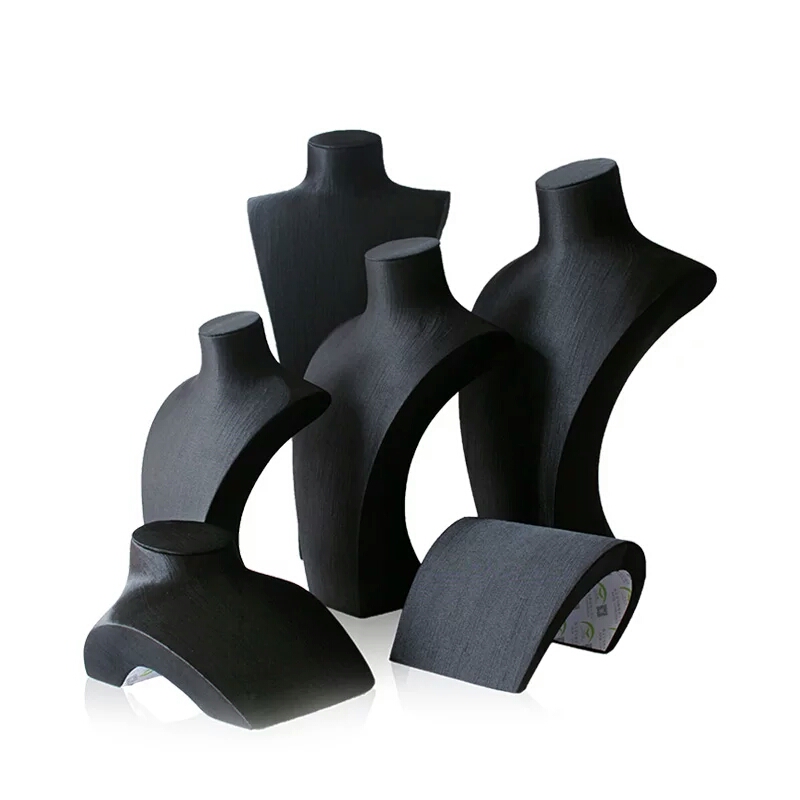
Background props are the stage setting of the window. The vertical background board decides the overall tone; dark backgrounds show luxury, light backgrounds show freshness, and layered materials create scene effects. Foreground props carry the goods; stands, columns and trays at varying heights provide different display levels. Keep moderate distance between setting and goods so goods stay the visual protagonist instead of drowning in the background.
Window lighting differs completely from traditional counters; it is closer to stage lighting. The main lamp aims at the promoted pieces, secondary lamps outline prop silhouettes, and ambient light brings out the scene atmosphere. Light should have brightness variation to create layers and suspense. Window lighting should also switch with day and night, preventing glare reflection in the day and brightening at night to stay striking in the street nightscape.
The number of goods in a window should be restrained. The industry saying "less is more" shows most clearly here. Three to five promoted pieces with two prop groups often beat filling the whole window. Empty space gives the customer eye room to breathe and reserves enough visual weight for promoted goods. Change windows every two to three weeks to keep freshness while controlling display cost.
Mannequins and dynamic elements add story warmth to the window. A model wearing the actual effect, a rotating stand letting goods turn slowly, gentle falling props creating atmosphere — all extend the stopping time of passers-by. Keep dynamic elements restrained; one or two moving points per window is enough, since too much motion distracts attention. The essence of window design is attracting the eye, not competing in noise.
Daily window maintenance is equally critical. Fingerprints and dust on glass, light decay of tubes and wrinkles in the setting can ruin a carefully designed effect. Set fixed cleaning and inspection cycles, check lamps before each lighting, and check the setting before each season change. Patience in details eventually converts into the moment a customer pushes the door open.
Window scheduling is best planned annually. Valentine's Day, Mother's Day, Qixi, wedding season, Christmas and New Year — decide theme directions for these nodes at the start of the year and refine execution with seasonal collections. Early scheduling gives purchasing, design and production enough time, while last-minute windows often run short of props and lighting. Make the window a fixed ritual on the store calendar.
The viewing perspective of a window comes from the moving eyes of passers-by. Window content should serve both far and near distances: far viewing needs large color blocks and strong outlines to capture attention within two or three seconds; near viewing needs details and quality for those who stop to look. Build prop details to the near-viewing standard while verifying overall composition against the far-viewing standard, serving both perspectives at once.
Window data collection moves display results from feeling to evidence. Observe stopping rate in front of the window and store-entry conversion, compare plans and record, and after two or three season changes you will summarize the window rules of your own store. The logic is simple: customers vote with their feet, and data tells you which window really works.
Weather and seasonal variables should also be written into the window plan. In summer direct sunlight heats the interior, so goods must avoid long exposure positions; in winter the temperature gap between window lighting and indoors fogs the glass, requiring defogging preparation in advance. The window is an open-air stage; with environment factors fully considered, the plan survives all four seasons.
Prop maintenance of window display should be included in the daily inspection list. Replace flowers in the setting promptly, treat damp baseboards in time and swap faded decorations early, keeping the window in its best state. The window is the face of the store; when the face is clean, customers are willing to approach. With maintenance done daily, the charm of the window stays online.
The window is the invitation letter a jewelry store writes to the street. With good theme, setting, lighting and restraint, this invitation turns people passing by into customers entering the store. The window is small, yet it is the stage with the greatest public influence in the whole display system.