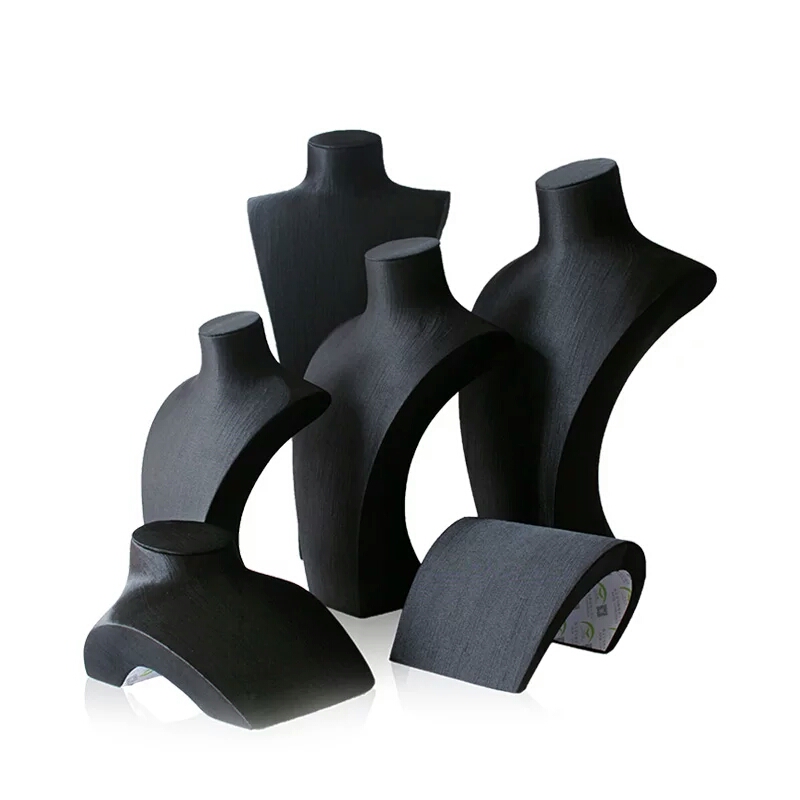
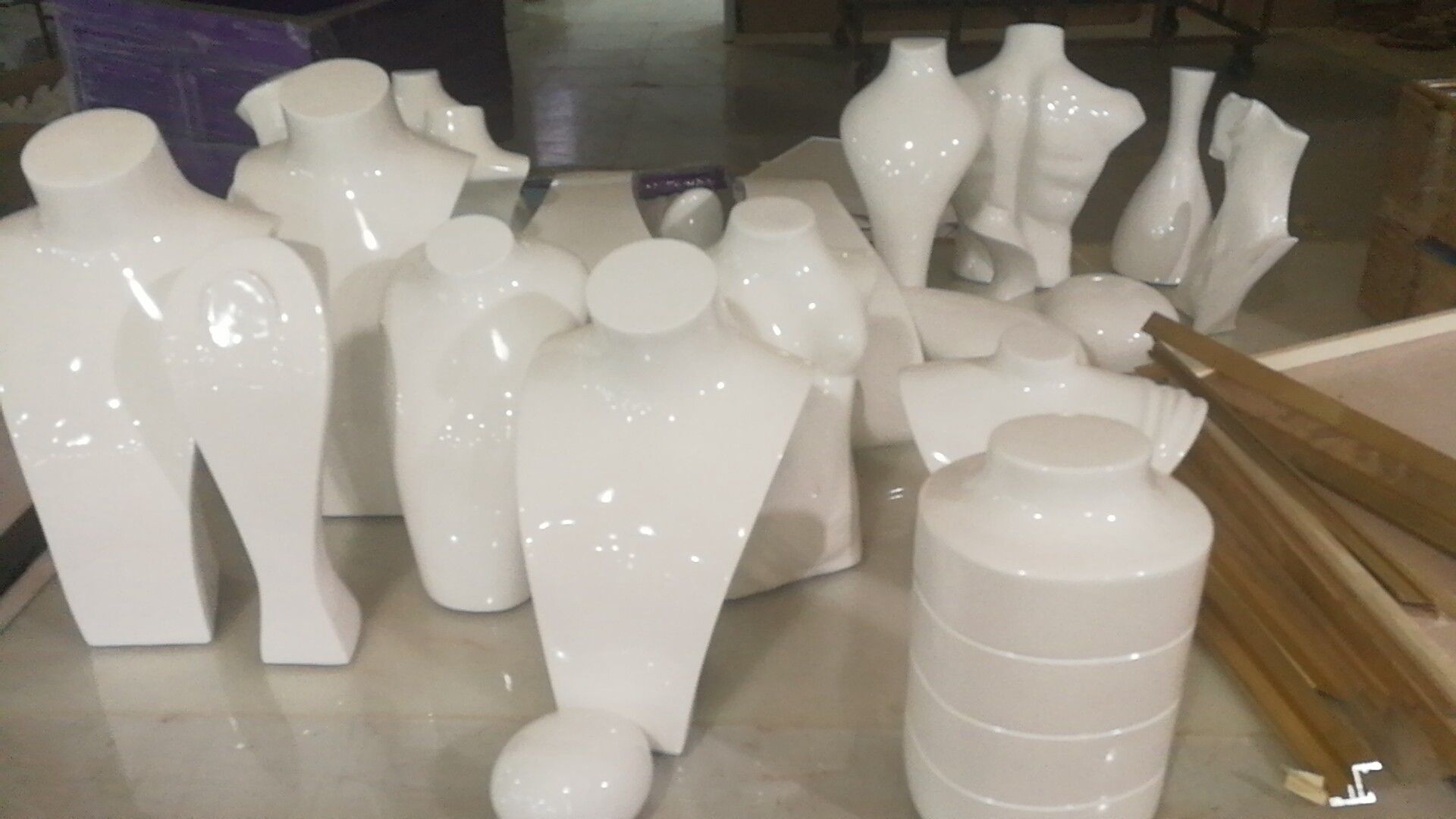
The necklace stand is the heaviest prop on the counter, bearing the most weight, holding the most pieces and being the easiest to overload. After a day of business, with necklaces that customers tried on hung back casually and staff adding a few more while restocking, a single stand can end up holding fifteen to twenty pieces, chains tangled together and pendants piled up. Customers cannot tell one from another, and even staff have to dig through the rack to find a piece. The loading capacity of a necklace stand directly decides the look of the display and the efficiency of finding pieces. This article explains the reasonable loading of necklace stands and their daily tidying, so that stands "hold the pieces, stay readable and keep them reachable."
First, the loading standard. For a standard necklace display stand, it is advisable to keep the loading at sixty to seventy percent of the stand's capacity: hang one necklace per hook on upright stands with no stacking; on wave stands, place one chain per wave groove without crowding or overlapping; on horizontal rails, leave at least one chain-width of space between adjacent chains. Within this range, every necklace shows its full chain and pendant, and customers' eyes land on each piece; when overloaded, chains press and tangle against each other, pendants block one another, and even beautiful pieces fail to show. The sixty-to-seventy percent loading also has a practical benefit: the remaining space makes handling easy, so adding or removing a piece during business hours takes no effort, and one pull does not drag a whole row of neighbors.
Second, the science of loading. The loading of a necklace stand is not just about "hanging fewer pieces" but also about the thickness and length of the chains. Hang fine chains sparsely: they tangle easily, so keep wider spacing between hooks and hang fewer pieces to guarantee that each one stands distinct. Coarse chains may be hung a little more densely, since their thick links tangle less and remain visually clear at the same loading. Separate long chains from short ones: the pendants of long chains hang low while those of short chains hang high, and mixing them creates uneven, messy heights; separated, the same rack shows tidy heights and clear layers. One easily missed detail is the weight limit of the stand. Every stand has a designed bearing capacity; exceeding it bends the rail, and chains slide toward both ends, creating a "top-heavy" look. Allocate the loading according to the stand's capacity, spreading heavy pendant chains and fine chains evenly so that the stand stays balanced and upright.
Third, the daily tidying rhythm. A necklace stand needs at least three tidying sessions a day. Before opening, do a full arrangement: re-place the necklaces hung casually at closing by length and by series, untangle any tangles, straighten the chains and set the pendants right, so the day starts tidy. At the low midday traffic, tidy again: morning try-ons are frequent and the stand turns messy quickly, so during the lunch break re-straighten the stands near the try-on area and untangle crossed chains. Before closing, arrange once more: return moved pieces to their positions, and meanwhile check for broken chains and faulty clasps, pulling out problem pieces for repair. The three sessions together take less than fifteen minutes yet keep the stand at a high standard of neatness all day.
Fourth, a load-reducing trick: rack separation. When a counter carries many necklace styles, one stand certainly cannot hold them all, so rather than stuffing the stand full, divide the necklaces by series or price onto multiple stands: the hero series takes an independent stand at the most visible spot on the traffic path; everyday series one stand; clearance series another. With rack separation, every stand returns to the healthy sixty-to-seventy percent loading, customers find styles faster and staff no longer rummage through a single rack when recommending. Leave breathing space between stands, and the counter changes from "stuffed" to "clearly categorized," which instantly raises the grade of the display.
Finally, a detail about the angle of the stand. After necklaces are hung, the natural falling direction of the pendants should face the customers' line of sight: tilt upright stands slightly, three to five degrees toward the customer, so that pendants present themselves as they hang. The height of the stand should match customers' eye level, and the display zone of necklace stands is best within 20 centimeters above and below eye level; lower and customers must bend, higher and details are hard to see. With angle and height tuned, at a glance every necklace on the stand "stands" upright and proper, and that properness itself is the sincerity of the display.
Managing the loading of necklace stands, in the end, is a matter of "being willing": willing to leave space, willing to separate, willing to adjust positions. Hang a little less and see more clearly; divide finer and find faster; adjust more often and mess appears slower. Keep the stands "roomy, orderly and upright," and the necklaces in the counter are truly on display rather than piled up.