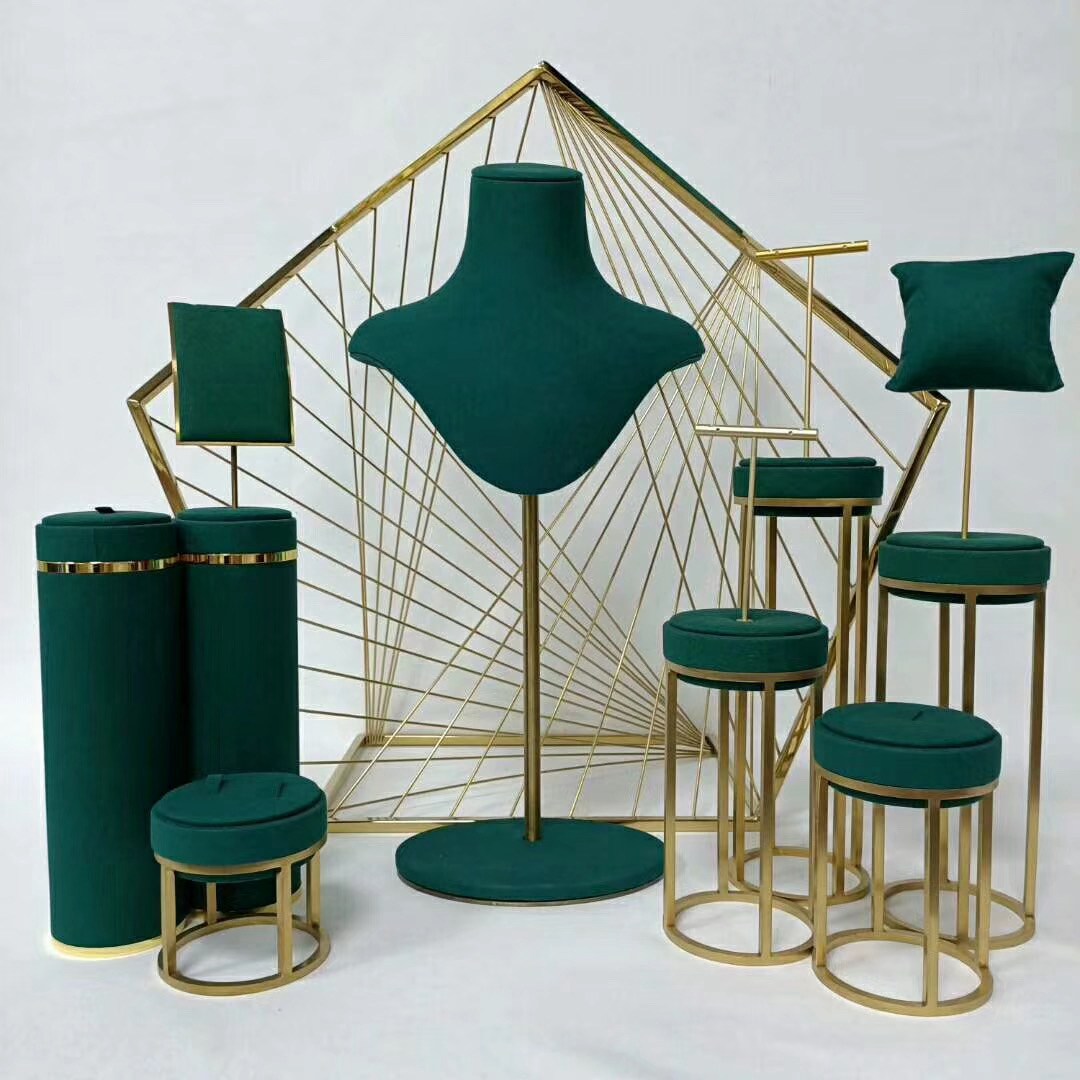
The busiest tray in the counter is the ring tray: dozens of times a day it is pulled out, browsed and handled, with customers' fingertips sweeping across the velvet again and again. By closing time, the velvet is pilled, dusty and flattened, and the ring slots have loosened. The condition of the tray directly shapes the customer's first impression of the merchandise, and a "tired" tray makes the rings on it look cheaper. This article explains the daily care of ring trays, from everyday cleaning to regular maintenance, keeping the trays looking new through constant use.
Start with daily cleaning. The ring tray is the prop in the counter that gathers dust and fingerprints most easily, and the routine cleaning after business hours cannot be skipped: brush off loose dust with a small brush in the direction of the velvet pile, the most common and most effective step, and the tray instantly looks livelier; then roll a lint roller over the surface to pick up fine fibers and skin flakes that the brush misses. Wipe the frame and the bottom of the tray with a clean damp cloth, taking care not to touch the velvet, which wrinkles easily when wet. On frequency: counters with heavy business clean daily, smaller shops may clean every two days, but "sweep the tray once at closing" should be an unbreakable habit. Also important is tidying during business hours: after a customer tries on a ring, the tray surface often carries indentations and fingerprints, and there is no need to wait until closing; as soon as the customer leaves, brush the pile back in place with a small brush, so the tray always looks freshly arranged and the next customer always sees it at its best.
Next is the weekly deep maintenance. Velvet trays pill and flatten with use, so once a week arrange a deep brushing: brush in one direction with a stiff brush dipped in a small amount of clean water, lifting the flattened pile; keep the water minimal, blot the floating water with a dry cloth, and leave it to dry in a ventilated place; after drying, run the lint roller over it once more. For trays with serious pilling, roll a small fabric shaver gently over the surface to remove the pills. After deep maintenance the pile stands up again and the tray's texture recovers seventy to eighty percent. Regular customers can see this effect at a glance: the merchandise is the same, but the tray looks like a new set. Timing also matters: schedule deep maintenance in low-traffic periods, such as Monday morning or after closing, so that customers never see trays still drying in the middle of maintenance.
Then come the ring slots. The ring slot is the part of the tray that bears the most force and deforms most easily: with frequent insertion and removal, the slot walls gradually loosen and the velvet at the slot mouth wears away. In daily use, form this habit: insert and remove rings in the direction of the slot rather than at an angle, reducing lateral pressure on the slot walls. Where the velvet at the slot mouth has worn thin, patch it with a same-color velvet strip, or directly replace the lining of that cell. Do not begrudge replacing a tray whose slots have deformed so badly that rings no longer stand steady, because a loose slot makes customers think the ring is a "clearance item." The depth of the slots also matters: deep slots suit thick rings and shallow slots suit fine ones, and when slot depths in a tray are uneven, match rings to slots by their thickness, which looks steady and highlights the ring. The fitting between slot and ring is the first step before try-on, and customers can feel the snugness the moment they pick a ring up.
Next, rotate the trays. If the same batch of trays is used every day, wear concentrates. A "rotation" idea helps: use trays in groups of three days, group A for three days then group B, and while group B is in use, group A receives deep maintenance, giving every tray a rest period. During heavy-traffic hours, use the trays in the best condition first, and schedule the worn trays for light-traffic hours or replace them wholesale after a promotion period. Rotation is not only about extending tray life but also about ensuring that customers see trays in their best state at any moment. When new trays arrive, let them air out in a ventilated place first and roll their velvet with a lint roller before they go on the counter, so that the smell and loose fibers of new trays do not affect the customer experience.
A word on the accessories that work with the tray: the jewelry pillows, ring sticks and cleaning cloths inside the ring tray are all matching "small parts." Clean the velvet of the jewelry pillows at the same frequency as the tray; check the cores of the ring sticks for deformation and cracking; and keep two or three clean soft cloths near the counter so that after a customer tries on a ring, staff can wipe it before returning it to the tray, protecting the piece and keeping the tray from absorbing another layer of hand oil. When the matching small parts keep up, the tray's condition holds.
The rule of ring tray care can be summed up in sixteen words: brush dust daily, maintain deeply weekly, mend slots with the rings, and rotate the trays. The tray is where the merchandise stands every day; when the tray is presentable, the rings are presentable. Caring for the tray is not just caring for a piece of velvet but for the overall quality of the counter. Do not underestimate these few minutes a day: accumulated over time, they save the cost of replacing trays and win back customers' trust in the counter.