Once the National Day holiday passes and the weather turns cool, a jewelry store's display enters its "season-changing mode": light summer necklaces go into storage, while heavier autumn-winter pieces, scarf brooches and deeper colored gemstones come onto the stage. During the transition, merchandise moves in and out of the counters frequently, which is exactly when things get messy and mistakes happen. This article explains the seasonal storage and turnover of a jewelry store: how to put away old stock, how to bring up new stock, and how the stockroom rotates, so that the transition stays smooth.
Start with storing the out-of-season merchandise. Before putting away the summer pieces, give them a thorough cleaning and care: wipe each delicate collar chain and fine bracelet with a soft cloth, and check whether clasps and solder points are loose, repairing first and then storing. Clean light pearls and crystal pieces, the popular summer styles, separately to keep them from rubbing against metal parts. Sort the pieces returning to stock by series and by material, placing pieces of the same series in one storage box or one drawer compartment, separated by soft tissue to prevent knocking. Paste unified labels on the storage boxes listing the series name, quantity and storage date, and register them in the books when done, so that everything is stored clearly and found easily.
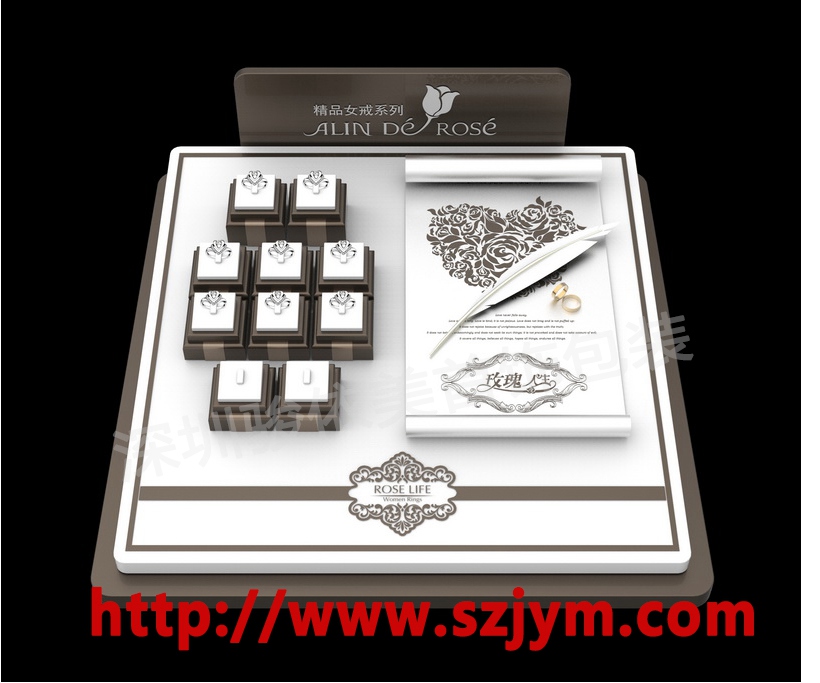
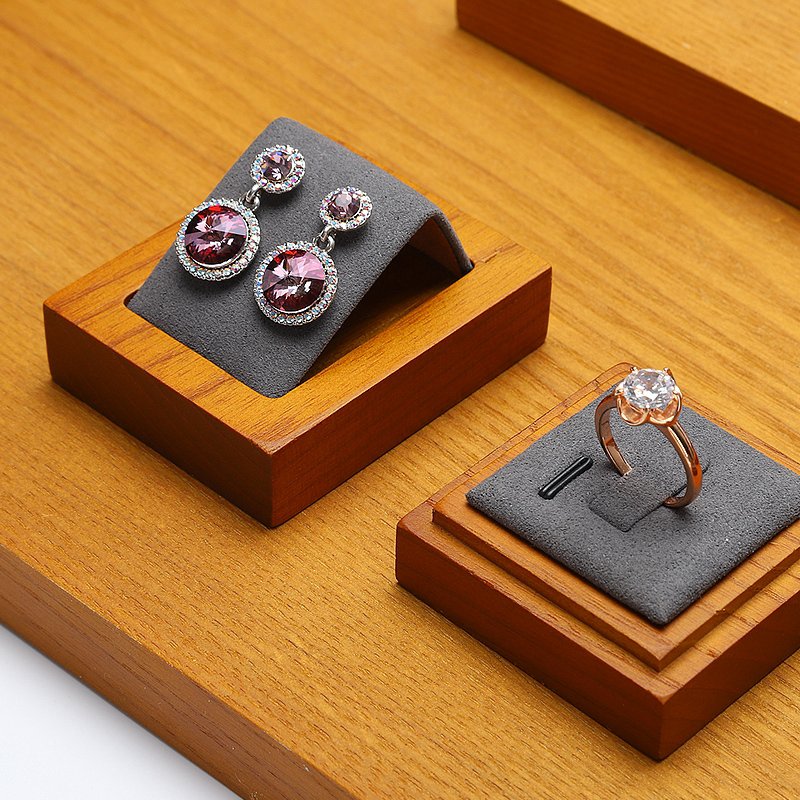
Details of storage deserve attention too. Jewelry storage fears two things most: humidity and knocking. Put desiccant packs inside storage boxes and check and replace them regularly. Isolate metal pieces with soft cloth or tissue, and lay fine chains flat instead of hanging them, because long-term hanging stretches the chain. For silver pieces prone to tarnishing, add anti-oxidation paper when storing, and dark velvet boxes suit long-term storage better than transparent plastic ones, keeping out light and moisture. Keep the temperature and humidity of the storage area stable: gold and platinum are stable, but organic gems such as pearls, coral and amber fear dryness and heat and need a moderately humid environment. Storage is not dumping pieces into a drawer but arranging a "dormant residence" for the merchandise; when the residence is comfortable, the pieces wake up refreshed. Do not save on storage props either: dedicated tiered boxes, velvet divider grids and soft jewelry pouches, chosen by the form of the piece, ring pieces in grid slots, earrings inserted in soft holders, and necklaces in separate pouches, every piece gets its own proper "bed," and pieces that return to stock look exactly as they did when put away when they come out next summer.
Next, bring the new-season merchandise onto the counters. The autumn-winter display theme is completely different from summer, and the merchandise structure needs replanning: strongly seasonal categories such as scarf brooches, shawl pins and sweater chains belong at the entrance and the secondary hero position, because seasonal categories are the easiest to be carried by the seasonal atmosphere. Deep colored gemstones and metals, matched with warm-toned back panels for autumn and winter, shift the display atmosphere from the clear brightness of summer to the warmth of autumn. Handbags and jewelry boxes in autumn-winter materials such as woolen, leather and suede can be used as display props together with the merchandise, fitting the season and enriching the display layers. Control the rhythm of bringing up new stock: do not change everything in one day but replace gradually over three to four days, so that repeat customers discover something new at every visit and staff have time to digest knowledge of the new pieces.
Turnover management after the pieces are on the counters is the centerpiece of the season change. Build a "counter ledger" for each new batch: item number, date on the counter, stock quantity and sales progress, updated weekly. For slow-moving styles, adjust the position in time, moving them from corners to the hero position or traffic focus for one more exposure. For fast-moving styles, replenish in time and observe whether same-series cross-selling should follow. The most common inventory problem during the season change is "new stock suppressing old stock": before the old styles are cleared, all the new styles are on display, the counters get fuller and fuller, and customers face a growing burden of choice. The solution is to run two lines in parallel, "putting on new pieces" and "clearing old pieces": new pieces go on display in their own zones, while old pieces concentrate in clearance zones or promotion spots, clearly separated without interfering with each other. There is another subtlety in the counter's blood change: when taking old styles off the counters, do not clear them all at once, but keep one or two representative pieces as a "transition band" at the edge of the new-product zone, giving old customers who like the old styles a buffer and avoiding large empty gaps in the counters.
Watch the inventory counting rhythm during the season change as well. The season change is the most concentrated period of merchandise flow of the year, and it is advisable to do "weekly counting and monthly reconciliation": once a week, set a fixed time to check the pieces in the counters against the counter ledger, verifying quantity, style and position; once a month, do a full inventory against the general ledger and investigate any discrepancy in time. The meaning of seasonal counting is not only preventing loss but also providing a basis for the sales plan: which styles sold well during the change and which did not can be seen as trends from the counting data, offering reference for next season's purchases and displays.
Seasonal storage and turnover are the blood-change period of a jewelry store's year. Store away clearly, put on correctly, turn over quickly and count accurately, and once these four lines are all handled well, the autumn-winter season starts from a clean base. The season change is not a headache but the rhythm of store operation: between putting away the old and welcoming the new, the display renews, the inventory straightens out, and customers' sense of freshness returns. This season's business begins with this neat transition.