The National Day holiday is the season that most tests a jewelry store's hero-display ability: heavy foot traffic, short stays and many choices mean that whoever catches the customer's eye within three seconds has one more chance to close. The hero position is the spot on the counter responsible for snatching attention. This article explains the three essentials of hero-position display for the National Day period, where to set the hero position, how to arrange the display, and how to tune the lighting, three steps that push the hero product all the way.
First, decide the hero position. A hero position is not just any spot in the middle of a counter; it is the visual focus of the store's traffic flow, chosen so that it can be seen from the store entrance. The first group of counters directly facing the entrance is the store's primary hero position, where a customer's gaze lands naturally upon entry, making it the most important location in the store. The point in the middle of the traffic flow where customers' lines of sight converge as they move suits the secondary hero. The area facing the cash register, where customers linger longest while queuing to pay, suits high-margin or bundling items. When choosing the hero position, avoid pillars, shelf obstructions and lighting dead spots, so that from the entrance the hero position is never blocked. A store generally needs one or two hero positions at most; too many means none at all.
Second, choose the hero product. A good position calls for a good product. A hero product for the National Day season should meet three conditions. First, sufficient stock to sustain sales throughout the holiday, because selling out the hero is the worst mistake a hero position can make. Second, enough profit margin, because the hero position is a traffic spot that needs room for promotion discounts. Third, a memorable design: the hero product should have clear selling points, whether a unique design, a moderate weight, or a look that appears large and brilliant, and even if customers do not buy, they should remember the style. Once the hero product is set, keep no more than two heroes in one position, one primary and one secondary, so that customers can lock onto a target.
Next, arrange the display. The core of hero-position display is "lifting" and "gathering." Lifting means placing the hero at a visually elevated point: the middle and upper shelves of the counter, the highest tier of the tray, or a stepped tray that raises the hero to eye level, where the sale rate is highest. Gathering means building a spotlight effect around the hero: the hero occupies the center of the tray, surrounded by small pieces of similar style as supporting cast, forming a pattern of stars around the moon; the supporting pieces should stay stylistically unified and avoid colors that steal the hero's thunder. One further trick is "same style, multiple pieces": placing several identical hero pieces makes the merchandise feel heavier in quantity and hints that it is a best seller.
Lighting is the final kick for the hero position. The lighting over the hero position should be at least half a stop brighter than the surrounding counters so that the hero visibly "pops." Angle the spotlights at 45 degrees from the front and above the product, which both brightens the front of the hero and brings out the luster of the metal. Dark velvet trays absorb more light, so their lighting should be brighter than light-colored tray areas. A touch of contrasting color on the backdrop behind the hero also sets off its outline. Once the light is tuned, standing at the entrance and looking ahead, the hero position should be the brightest, clearest and most eye-catching cell in the entire store.
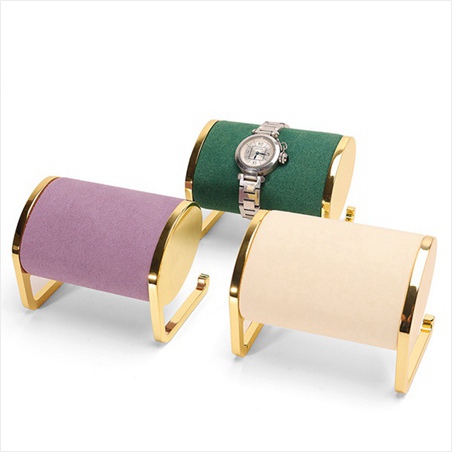
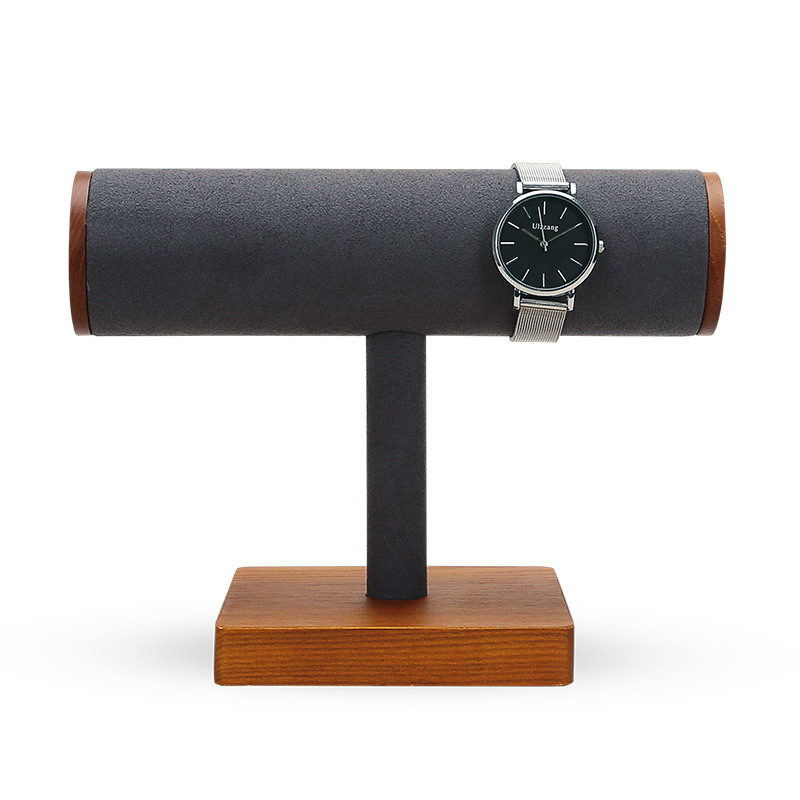
The props at the hero position also deserve attention. The stepped tray is the most common prop, with two or three levels of height putting the hero on the top tier where the eye lands first. A small acrylic stand bearing the hero's selling points, such as "Great Value," "Best Seller" or "New Arrival," should carry few but large words readable from one meter away. Choose velvet pads and jewelry pillows in colors complementary to the hero, dark pads for gold and light pads for silver, letting the props set off the piece's texture. Keep the density of props restrained: a spacious, clean hero position makes the merchandise look more precious, while an overstuffed hero position blurs the hierarchy. Props are also the quick-switch tool for handing over from an old hero to a new one: when the hero changes, change a lamp, change a stand, change a tray tier, and the hero position takes on a fresh face.
A hero position is not set once and left alone; it needs dynamic maintenance during the holiday. Check it before opening every day: whether the merchandise is tidy, the lighting works and the price signs are eye-catching. Replenish promptly after each sale so the tray stays full. During daily peak hours, raise the lighting a little more and coordinate the ambient music and promotion signs. When the stock of the hero falls late in the season, swap in the backup hero a day in advance to give the position new blood, so that the second half of the holiday also has new highlights.
The hero position of the National Day season is the most concentrated expression of a store's display power and selling power. Set the location right, choose the product right, arrange with lifting and gathering, and tune the light to the spot: the four links interlock, and only then can the hero product be truly pushed out. Holiday sales are not only about merchandise but also about this display ledger; when the hero-position account is settled clearly, the National Day season is more than half won.