项链的“站姿”:脖头、弧形架与项链墙怎么选The Stance of a Necklace: Busts, Curved Racks and Necklace Walls
首饰店里试戴最多的其实不是戒指,是项链。可项链一到柜台就"站不起来":链子软、坠子沉、扣头小,平放是一坨,挂起来又怕缠。让链子"站"起来,靠的就是脖头、弧形架和项链墙这三样,今天逐个说清楚。
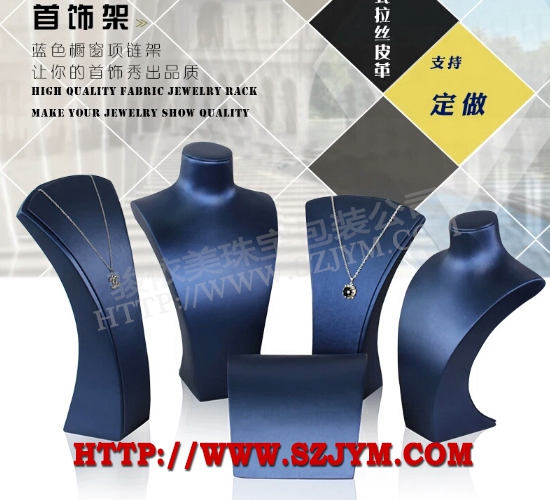
先说最像人的脖头。珠宝项链脖头是包了绒或拉丝皮的立式人台,链子绕上去,坠子正好垂在胸口窝的位置——客人进店看到的就是"这条链戴上什么样",不用脑补。脖头分大小:锁骨链、短链用细脖头,链子绕一圈刚好;长链、毛衣链用大头,坠子垂得开,不堆在脖子根。贵货、镇店款建议上脖头,仪式感是托盘给不了的,客人愿意为"它已经戴好了"多停留三秒。
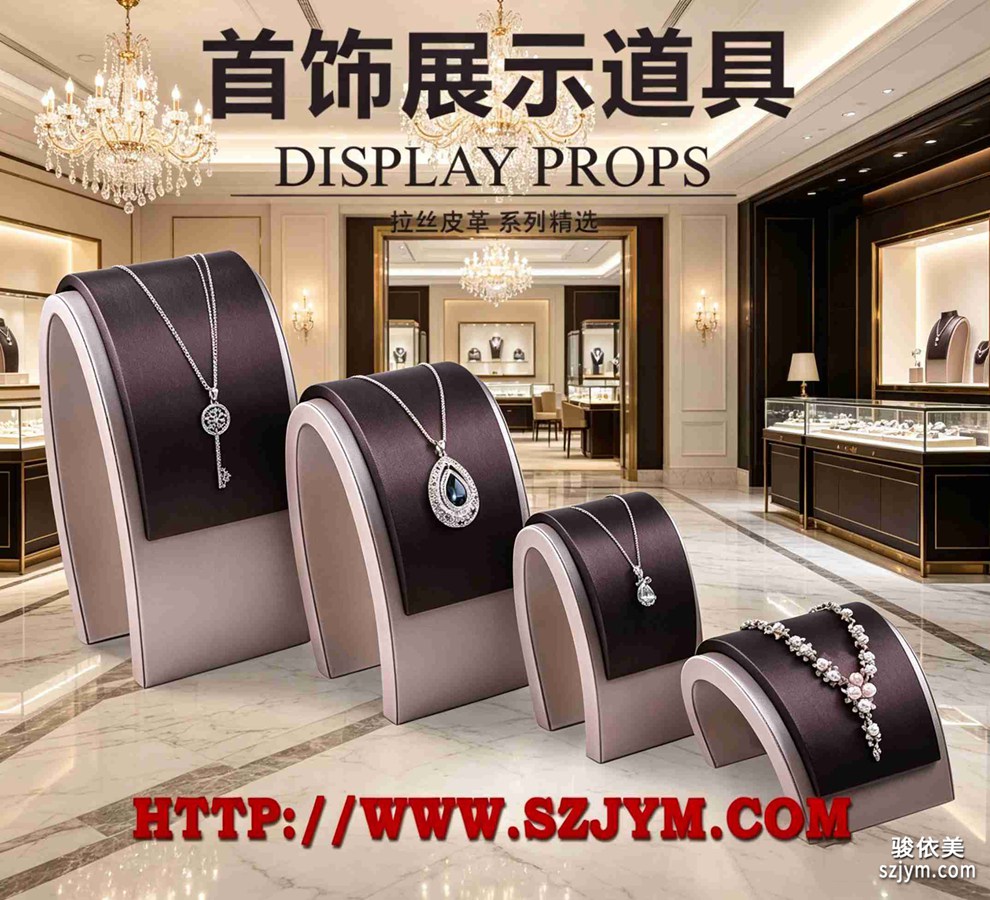
再说弧形的搁架。弧形项链架线条简、占地小,链子搭在弧面上,自然形成一个垂坠弧度,一排四五个,专柜靠里那一排位子正好利用起来。选弧架看两点:弧度深浅要跟链长匹配——短链配浅弧,链尾不会拖到台面;底座要重,链子客人拿起来又放回,轻底座一碰就歪。弧形架适合走量款:摆得多、看得全,客人扫一眼就能锁目标。
最后说项链墙。背挂式项链墙或者磁吸卡槽陈列架,是给"密度"准备的:一面墙挂十几条链子,中岛、主推区都能用。项链墙的讲究在排列:链长从短到长、链扣统一朝外,坠子重的放下半区,避免互相勾。它不适合放最贵的货——墙面展示周转快、易磕碰,更适合放走量款和新品,让客人"看到"比"细看"更重要。
怎么选,一句话:贵货用脖头,走量用弧形架,堆密度用项链墙。还有一条所有摆法通用的规矩——试戴归位时链扣朝上、统一方向。链子卷不卷、缠不缠,往往不是货的问题,是归位那一下顺不顺手的问题。
微信咨询WeChat
扫码添加微信咨询Scan QR code to add WeChat

©2005-2026 深圳骏依美首饰包装有限公司 版权所有 | 21年专注珠宝包装定制©2005-2026 Shenzhen Junyimei Jewelry Packaging Co., Ltd. All Rights Reserved | 21 Years Expertise
特别申明:网站上的图不作品牌复制,图例只作展示,如有不妥请联系我们删除!《品牌订制必需提供品牌授权书》Special Note: Images on this site are for display only, not brand copies. Contact us for removal if any issue arises. Brand customization requires a brand authorization letter.
网站备案/许可证编号:湘ICP备2023014570号Website Registration: Xiang ICP 2023014570

湘公网安备 43020302000290号


