陈列道具的“经济账”:钱花在哪,货才显贵The Economics of Display Props: Where to Spend So Goods Look Premium
陈列道具要不要花钱?当然要。但同样是花钱,有人花出档次,有人花出教训。差别在一条:钱要花在"客人看得见、摸得着"的地方。陈列道具的经济账,说到底就一句——按客人的触达率分配预算。
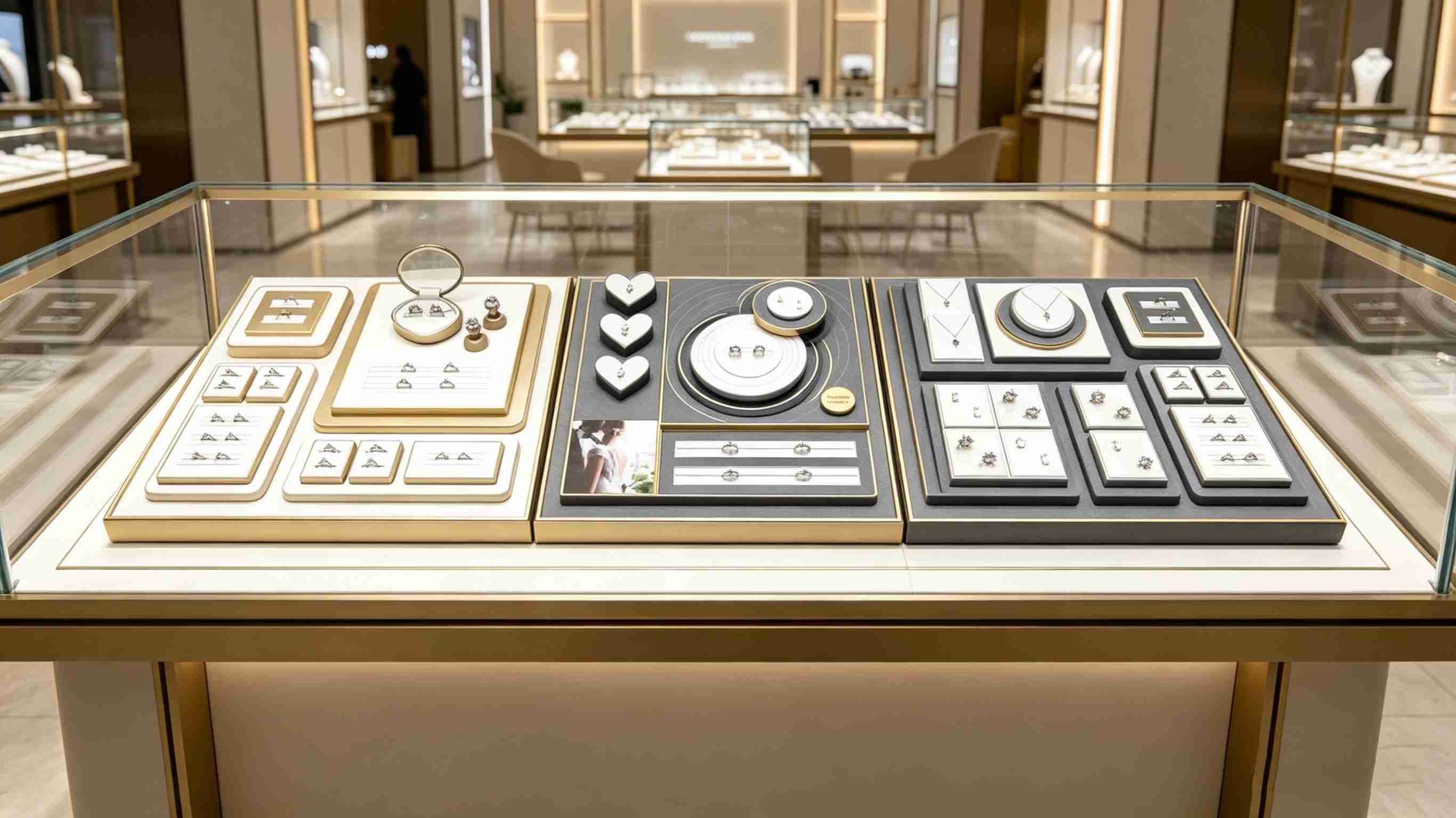
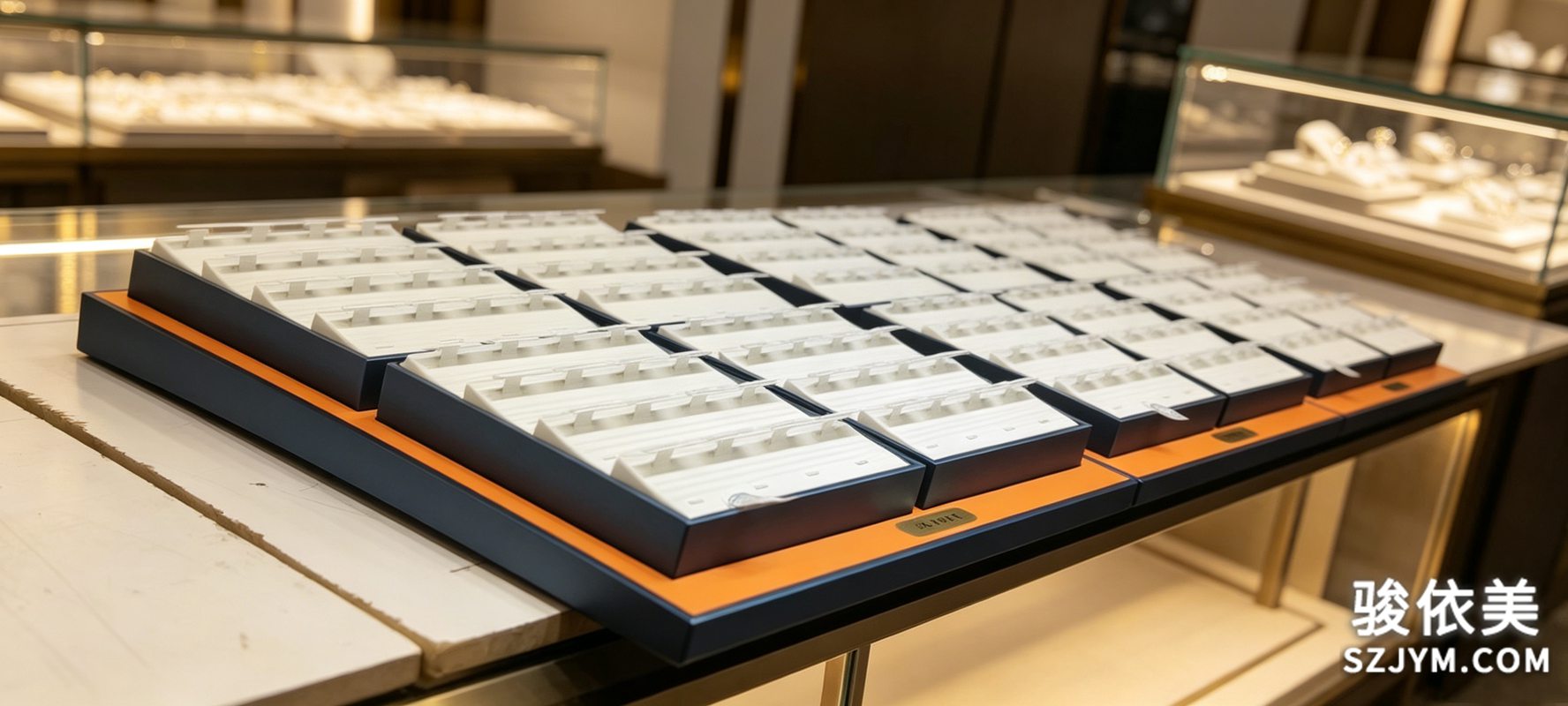
客人触达率最高的是哪几样?试戴盘、柜面托盘、柜台灯箱、镜前道具。客人进店必碰、必看,这几样值得买好的、勤换的。试戴盘尤其如此:戒指一天被拿放几十次,绒面磨损最快,两套轮换加定期更换,客人拿在手里的触感始终是新的。反过来,仓库、备货区这些客人永远看不到的地方,用基础款就好,钱省下来全花在柜面上。
道具的折旧周期也要心里有数。绒面托盘一年到两年翻新,超纤托盘两到三年,实木加金属件三到五年。把更换当成固定预算,不要等到"坏了再买"——绒面起球、金边掉漆的柜台,客人第一印象就打了折,省下的这点钱,远不够弥补流失的成交。
保养是另一种省钱。定期吸尘能延长绒面寿命,避免酒精类清洁剂擦超纤和PU皮,实木道具注意防潮防暴晒。很多道具不是用坏的,是"养"坏的:湿布闷着绒面发霉、射灯直射PU皮开裂、金属件在潮湿环境氧化。保养得当,道具寿命翻倍,等于省钱。
最后是心态。见过一家店,为了省钱买了最便宜的植绒托盘,两个月掉毛,毛粘在银饰上差点引发退货,最后退货成本加重新采购,比一步到位贵了三倍。也见过一家店,贵的道具买回来舍不得用,放在仓库里吃灰,柜台还是旧的——钱花了,货没显贵。正确的做法是:舍得在柜面上花钱,按折旧周期更新,平常勤保养。道具是给货打工的,它体面,货才体面;货体面,价格才谈得上去。这笔账,怎么算都不亏。
道具也是品牌调性的载体。轻奢定位的店,道具要有金属件、有质感,哪怕货便宜一点,道具托着,档次也在;走大众性价比路线,道具干净规整就好,把成本让给货品价格。道具和定位错位的例子屡见不鲜:卖千元好货的柜台配着廉价植绒盘,客人直接怀疑货的真假;平价柜台反而用金边满柜,成本全花在看不着的地方。道具的档次要和货品的定位对齐,错开一档,客人心里就打一个问号。
更新节奏上,建议跟着运营节点走:新品季换主推位套装,节庆季换氛围道具,淡季做维护和保养。一年两到三次的道具更新,成本可控,柜台常看常新。道具这笔账,算的不是"花了多少",而是"花在了哪"——花在触达率最高的位置、花在替货品说话的地方,每一分都值。
微信咨询WeChat
扫码添加微信咨询Scan QR code to add WeChat

©2005-2026 深圳骏依美首饰包装有限公司 版权所有 | 21年专注珠宝包装定制©2005-2026 Shenzhen Junyimei Jewelry Packaging Co., Ltd. All Rights Reserved | 21 Years Expertise
特别申明:网站上的图不作品牌复制,图例只作展示,如有不妥请联系我们删除!《品牌订制必需提供品牌授权书》Special Note: Images on this site are for display only, not brand copies. Contact us for removal if any issue arises. Brand customization requires a brand authorization letter.
网站备案/许可证编号:湘ICP备2023014570号Website Registration: Xiang ICP 2023014570

湘公网安备 43020302000290号


