十月一到,珠宝店就进入一年里最"出钱"的时段:婚庆要到年底、圣诞元旦送礼、春节返乡大军——一整年的冲量季全挤在这几个月。货备足了,柜台如果还按平日的摆法,客人进来找不着要的东西,旺季就白旺了。节前把柜台按"场景"重排一遍,是很多店忽略但回报最高的一步。
先分场景。旺季客人进店就三类:结婚买金的,送礼买件的,自戴犒劳自己的。这三类人的动线完全不同。婚庆客一进门就直奔对戒、三金区域,要的是成套、大气、能一站看齐;送礼客纠结的是"送长辈还是送闺蜜、预算多少",需要导购快速给出选项;自戴客反而最轻松,逛到顺眼就买,但你得让她"逛得顺眼"。
对应柜台怎么排?第一,主推位让给婚庆和礼赠。门口正对的柜台放对戒套装和礼赠组合,客人一进门视线就被"要买的东西"接住,而不是先看到一堆散件。第二,按价格带分层。送礼客最怕挨个问价,柜台里把"预算一千内""三千上下""万元档"的货分组摆放,导购一句"这边是三千左右的",成交快很多。第三,把畅销款放在伸手可及、灯光最亮的位置,特别是金饰——旺季看金的人多,试戴率高,位置不对,客人多等一分钟就可能被别人家抢走。
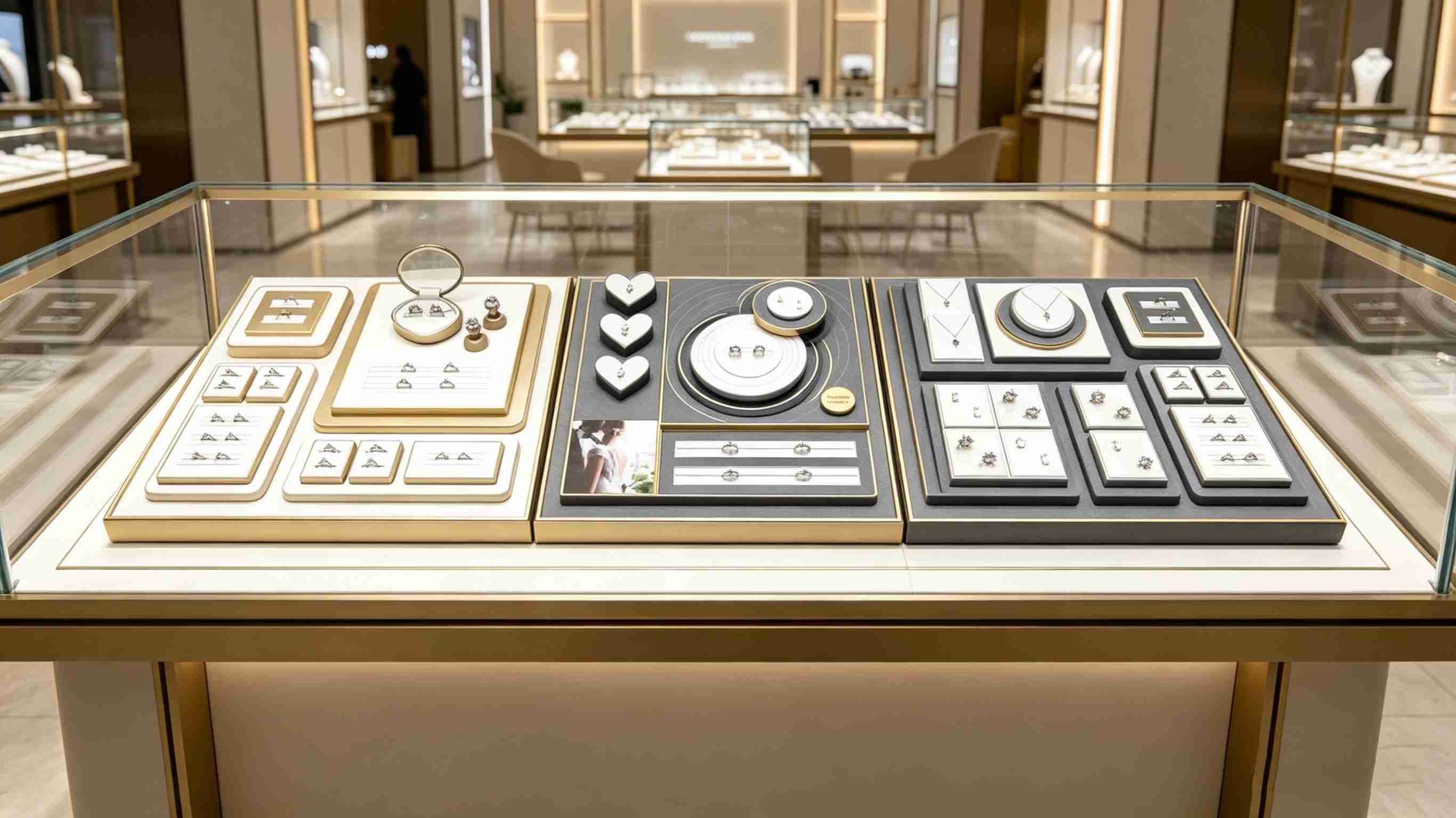
翻车经验也得记着:旺季最忌"货堆得越满越好"。柜台上摆得密不透风,看着热闹,客人反而无从下手;适当留白,一柜突出两三件主推,配上小价签和场景卡("婚庆款""送长辈""日常通勤"),客人自己就能对号入座。展示大件、套装可以用壁挂柜或立柜,中岛和绒面托盘放高频试戴的小件,动线顺手,导购也不累。
节日营销不是打折,是把"客人要什么"提前摆到明面上。场景分清楚、主次排出来、价签标明白,旺季的销量就是平时淡季的几倍。柜台排好了,客人进来就是"好买、好选、好带走"。
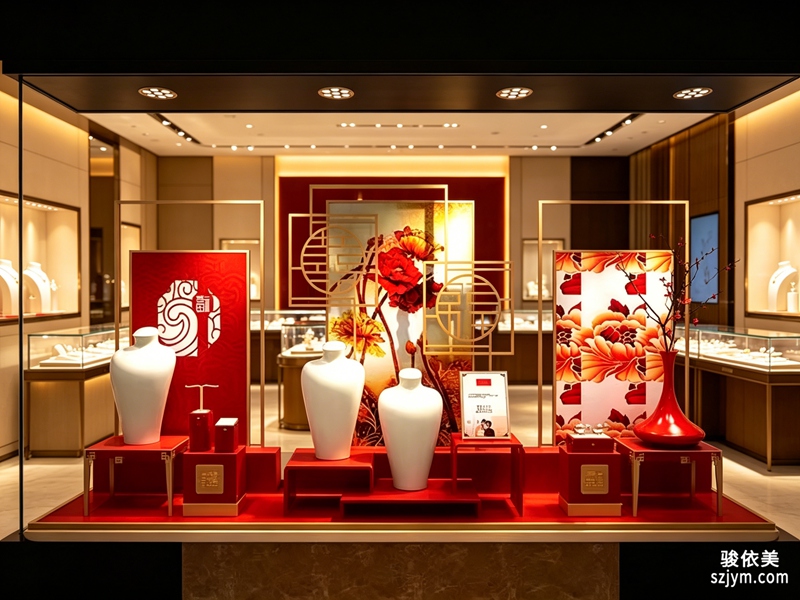
不同节日的客人还不太一样。圣诞、元旦主打年轻客和情侣,粉色、银色系的小件和"轻奢"礼盒好走,柜台可以适当年轻化;春节主打全家和长辈,红色、金色系和三金产品是主力,年味足一点反而好卖。柜台在两波节日之间记得换一次主题,别让圣诞的布置拖到春节。
动线安排上,旺季高峰时段导购多、客人更多,试戴区要留出缓冲区——柜前至少站得下两三位客人,试戴的镜子别被围住。柜台排得再漂亮,客人挤不进来也是白搭。
From October, jewelry stores enter the money season: weddings run to year-end, Christmas and New Year gifting, the Spring Festival homecoming wave — the whole annual spike squeezes into a few months. Stock is ready, but if the counter still uses its usual arrangement, customers searching for their purchase find nothing, and a peak season goes to waste. Restaging the counter by "scenario" before the holidays is the most overlooked, highest-return step.
Three customer scenarios define the season. Wedding buyers head straight for rings and the gold set — they want complete, grand, one-stop. Gift buyers agonize over recipient and budget and need quick options. Self-reward shoppers are easiest — they wander and buy what pleases the eye, but you must make the eye pleased.
How to arrange? First, give hotspot positions to weddings and gifting. The counter facing the door carries ring sets and gift combos, so the first glance catches "what people came to buy", not scattered pieces. Second, layer by price band. Gift shoppers hate asking prices one by one; group "under one thousand", "around three thousand", "ten-thousand-plus" in separate zones, and staff can say "this side is around three thousand" — fast closes. Third, put bestsellers at arm's reach under the brightest light, gold especially — peak season browsers try on a lot, and one extra minute of waiting may lose the sale to a competitor.
A lesson from the field: peak season is not "more stock, better". Dense displays look lively but paralyze choice. Keep breathing room: highlight two or three heroes per case, with small price tags and scenario cards ("wedding", "for elders", "daily wear") so customers self-select. Use wall-hung cabinets for large sets, and velvet trays on counters for high-try-on small pieces — a smooth flow spares both customers and staff.
Festival marketing isn't discounts; it's putting what customers need in plain sight. Clear scenarios, clear hierarchy, clear prices — the peak season multiplies the quiet months' sales. Arrange the counter right, and customers walk in, find it easy, and take it home easily.
Different festivals bring different customers. Christmas and New Year draw young couples — pink and silver small pieces and "light-luxury" gift boxes move; keep the counter younger. Spring Festival is family and elders — red, gold and the traditional gold set lead; seasonal warmth actually sells more. Between the two waves, remember to swap the theme once; don't let Christmas decorations drag into the Spring Festival.
For flow, peak hours bring more staff and even more customers — leave a buffer at the try-on zone: standing room for two or three customers in front of the counter, and never block the mirror. No matter how beautiful the arrangement, if customers can't reach it, it's wasted.