玉镯和珠串,圆件在柜台里怎么摆Bangles and Bead Strings: Displaying Round Pieces
圆件是柜台里最不好伺候的一类货:它不立、不稳、爱滚。玉镯平放着,种水细节全盖在下面;珠串往托盘上一堆,转眼缠成一团,看着像杂物筐。摆圆件,本质是给它一个"撑得住、转得动、看得透"的位置。
玉镯要斜着放,不能平躺。四十五度上下的斜面托,让镯子立到客人视线里,灯光从侧后方打过来,种水的通透感一下子出来了;平放的镯子只能看到一面,客人反复翻看还容易失手摔。我们做的米白多层阶梯底板SJ28就是干这个的,每层斜度不同,镯子按口径挑层,大的放高、小的放低。
珠串的规矩在"别缠"。成串的珠子不能整串躺着堆,重力一压就是一团死结;竖着挂又怕滑落。最稳的办法是顺着轨道平铺:我们配的深蓝波浪形套盘TP03,右侧的弧形项链区正好一圈一圈盘珠串,颗数看得清、弧度看得齐,客人上手一拎就是整串,不用现场解扣子。
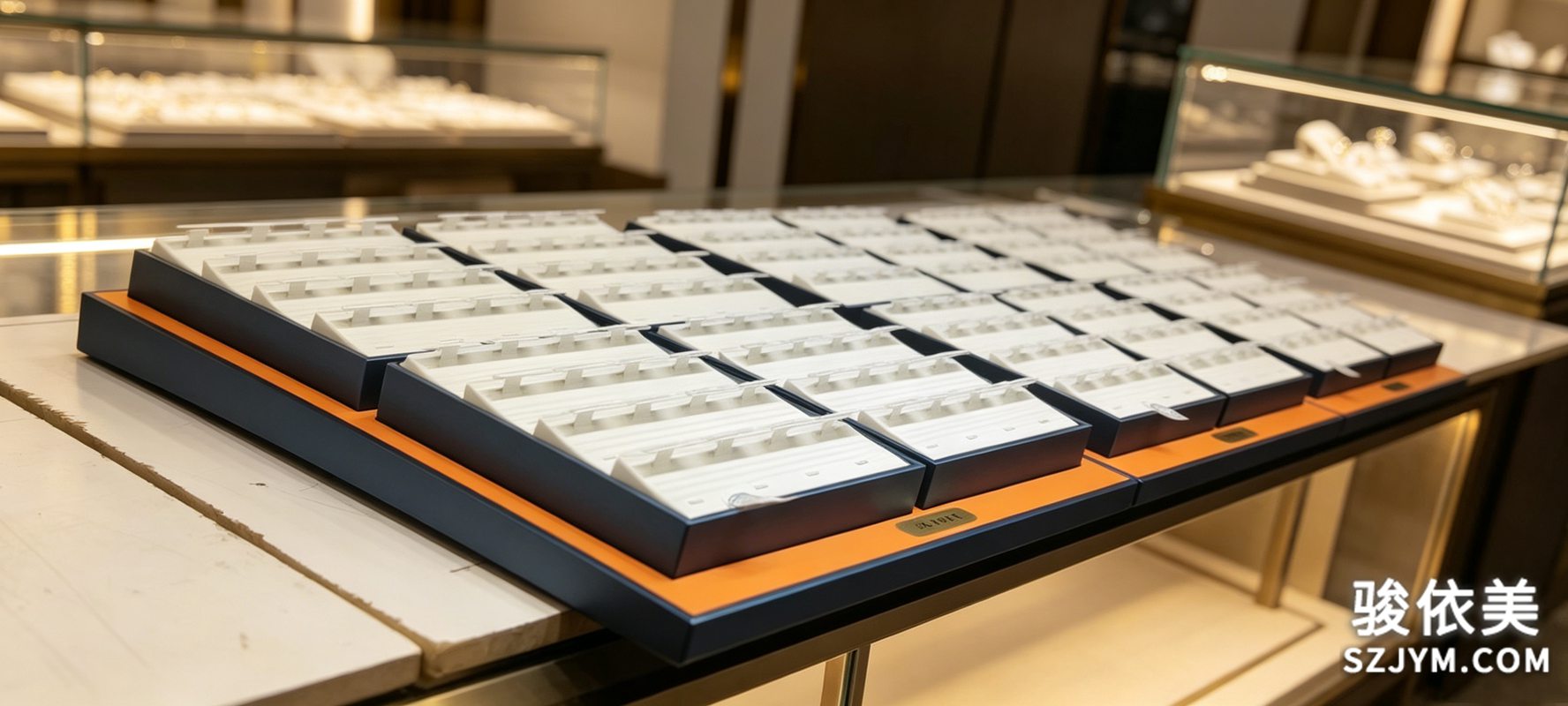
灯光上,圆件怕顶光。顶光打在镯面上是一圈白反光,种水细节全没;侧光或者背光才有玻璃感。玉镯柜台建议两组灯:一组斜侧光打本体,一组背景光把轮廓勾出来。镯子镂空、留白的地方,才是它最抓人的地方。
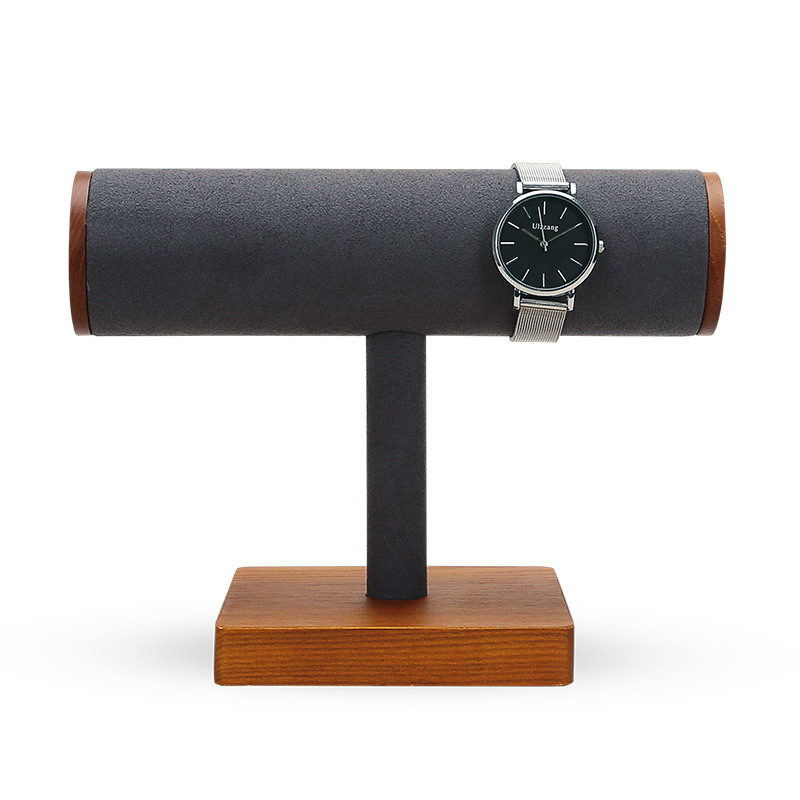
翻过车的都懂:有同行为了显货多,玉镯摞两摞立在展示架上,客人一伸手,上面那摞哗啦全倒,柜台前后一通忙。圆件的陈列密度一定得低于别的品类——玉镯一格一只,珠串一轨一串,宁疏勿密。客人看得清,店员拿得稳,才是圆件的正确节奏。
圆件卖的是手感,也是安全感。斜得稳、放得平、拿得起,客人脑子里已经替它想好了戴在手腕上的样子,剩下的就是价格那一步了。本文为原创内容,版权归深圳骏依美所有。如需转载请注明出处。
骏依美——让每一件珠宝与腕表,都被更好地呈现。
微信咨询WeChat
扫码添加微信咨询Scan QR code to add WeChat

©2005-2026 深圳骏依美首饰包装有限公司 版权所有 | 21年专注珠宝包装定制©2005-2026 Shenzhen Junyimei Jewelry Packaging Co., Ltd. All Rights Reserved | 21 Years Expertise
特别申明:网站上的图不作品牌复制,图例只作展示,如有不妥请联系我们删除!《品牌订制必需提供品牌授权书》Special Note: Images on this site are for display only, not brand copies. Contact us for removal if any issue arises. Brand customization requires a brand authorization letter.
网站备案/许可证编号:湘ICP备2023014570号Website Registration: Xiang ICP 2023014570

湘公网安备 43020302000290号


