银饰柜台的三件事:氧化、灯光和日常打理Three Things About a Silver Counter: Tarnish, Light, and Daily Care
银饰的麻烦不在款式,在它太诚实。手汗、香水、柜台里的射灯,三样凑齐,银面几天不碰就蒙一层黄膜,再往后就是发黑。客人拿起银链子,第一眼看的不是花样,是它亮不亮——这也是银饰柜台最容易被挑刺的地方。
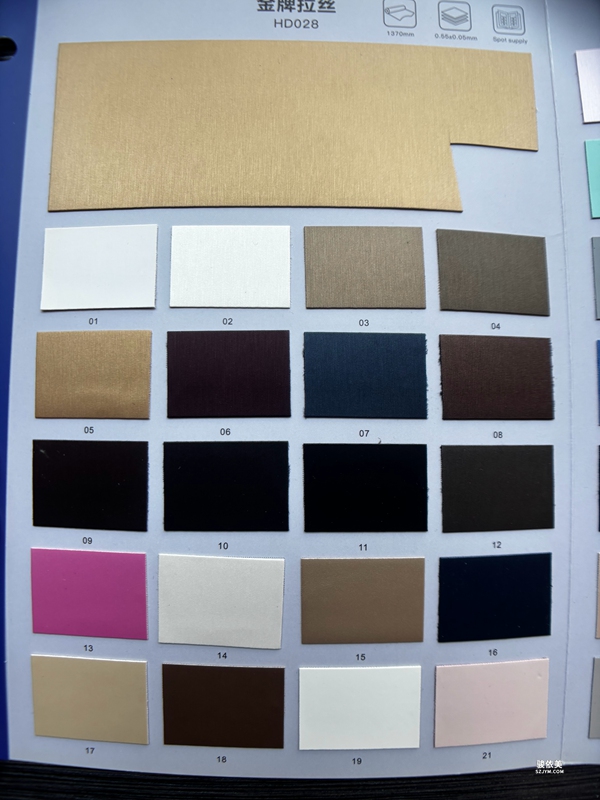
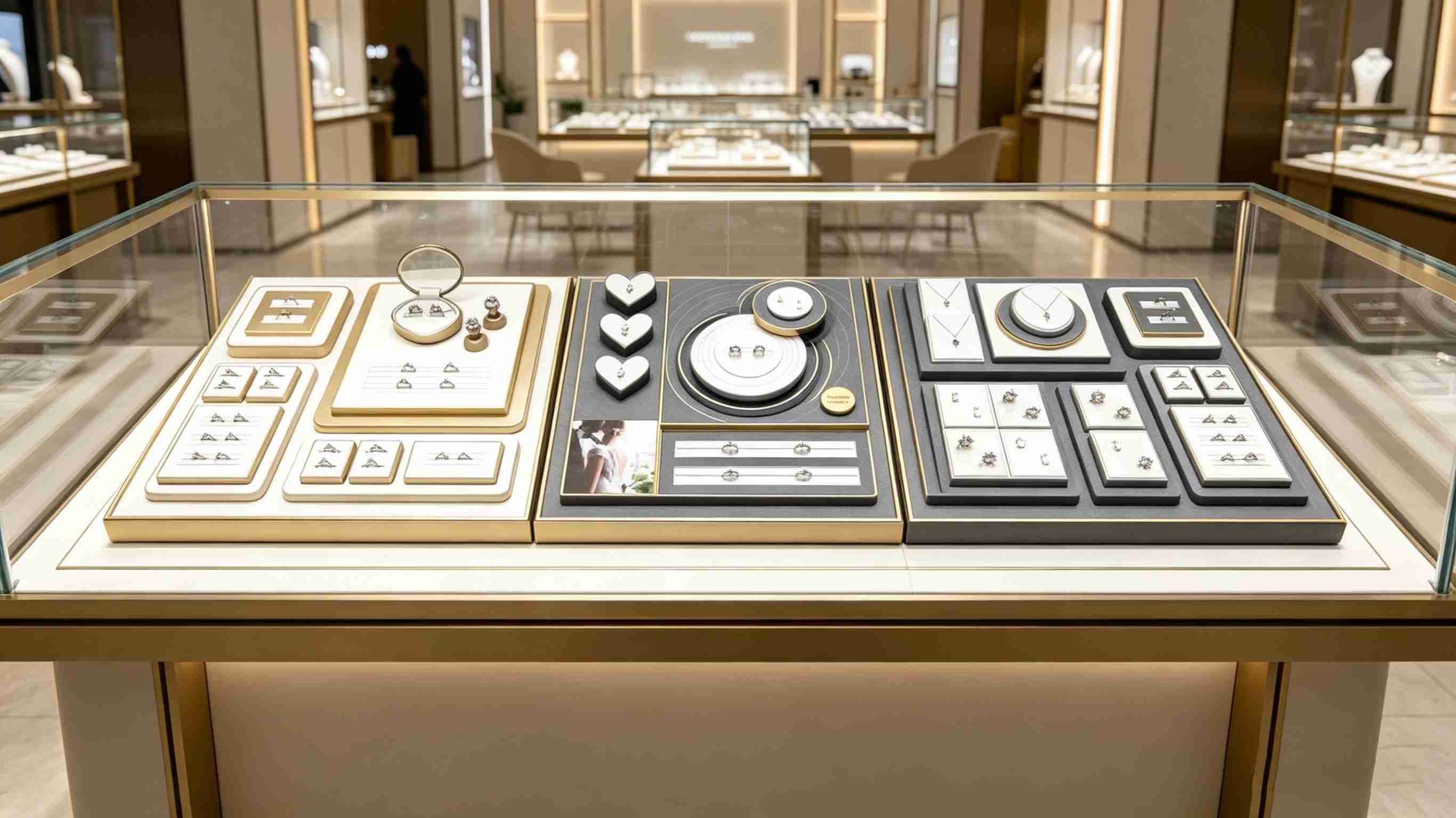
摆银饰,头一条是托底颜色。银饰怕浅色底:白绒、白卡台一衬,银面直接发灰,看着像放旧了。深蓝、深咖、黑这类深色绒面才压得住。我们常配的深蓝波浪形珠宝陈列套盘TP03,格子按戒指、吊坠的常见尺寸开,银戒、银坠立在格位里不打滑,深色底一衬,银面的亮反而被托出来了。
银饰的另一个敌人是潮湿和挤。柜台里不能只摆不管:格位密度别太高,几件银饰互相蹭,磨痕比氧化还显旧;化妆品的酒精、汗味、甚至香水喷过的位置,都是银面氧化的加速器。日常护银两件事:格位绒面保持干燥,客人试戴过的银饰顺手用擦银布顺一道再归位。我们在TP03旁边固定放一条擦银布,比扔在抽屉里落灰强得多。
灯光是银饰柜台最容易翻车的点。聚焦射灯直打银面,反光刺眼,客人眯着眼也看不清细节,看两秒就放下。银饰要柔光、漫射、斜着来:灯位压低,角度偏斜,银面的折光和层次都在,而不是一片死白。有同行新店贪亮,一排射灯打在满盘银链上,客人进门直皱眉;后来把灯压低二十度,当天试戴率就上来了。
已经发黑的银饰也别在柜台里当场处理。轻微发黄,擦银布解决;发黑严重的登记下来送厂抛光,别拿药水在台面上泡——药水味客人隔着玻璃都能闻到,泡过的银面那种涩涩的手感,比氧化本身更劝退。
银饰小、轻、价格不贵,最容易显得廉价;但深色托底、适度留白、斜射柔光三样做对,几十块成本的道具也能托出平整耐看的高级感。本文为原创内容,版权归深圳骏依美所有。如需转载请注明出处。
骏依美——让每一件珠宝与腕表,都被更好地呈现。
微信咨询WeChat
扫码添加微信咨询Scan QR code to add WeChat

©2005-2026 深圳骏依美首饰包装有限公司 版权所有 | 21年专注珠宝包装定制©2005-2026 Shenzhen Junyimei Jewelry Packaging Co., Ltd. All Rights Reserved | 21 Years Expertise
特别申明:网站上的图不作品牌复制,图例只作展示,如有不妥请联系我们删除!《品牌订制必需提供品牌授权书》Special Note: Images on this site are for display only, not brand copies. Contact us for removal if any issue arises. Brand customization requires a brand authorization letter.
网站备案/许可证编号:湘ICP备2023014570号Website Registration: Xiang ICP 2023014570

湘公网安备 43020302000290号


