珠宝店变身美术馆Luxury jewelry boutiques are becoming galleries and stages
当 Tiffany 在纽约第五大道把门店改造成一座十层楼的"博物馆",当 Cartier 把巴黎旺多姆广场的精品店拆成一系列像公寓沙龙的房间,一个信号已经很清晰:高端珠宝的零售,正在从"卖货"转向"造境"。
这股风最早由几家重量级 Maison 点燃。Tiffany Landmark 纽约旗舰 2026 年初重装亮相,由建筑师 Peter Marino 操刀,十层空间里陈列近 40 件艺术品,八、九层做成常设博物馆,二月开出"创造力文化"特展,汇集 26 位艺术家的近 70 件作品;北京三里屯旗舰 1 月开业,外立面 20 米高的曲线磨砂玻璃鳍片,灵感直接取自品牌经典 Bone Cuff 手镯。无独有偶,Piaget 巴黎旺多姆广场店被重新诠释为一连串沙龙式空间,蓝色方钠石圆窗呼应表盘装饰石,石材、漆器与织物拼出层层叙事。门店不再只是货架的集合,而是一座会讲故事的剧院。
更耐人寻味的是背后的商业逻辑。LVMH 在 2021 年以 158 亿美元把 Tiffany 收入囊中,却在数字叙事当道的年代逆势重金砸向实体体验。品牌 CEO Ledru 把 Landmark 称为公司的"外交部",称全球每一家门店都是向外辐射品牌权威的"使馆"。这话点破了一层窗户纸:线下空间的价值,早已不只是成交,而是让顾客"被记住"——而记住,本身就是转化率。当获客成本逐年走高,把空间本身变成内容,反而是更便宜的流量。
为什么是现在?答案藏在消费行为的迁移里。千禧一代与 Z 世代把"体验"放在"拥有"之前——他们愿意为真实、专属和可参与感付钱,却不愿为流水线上的同款货品多掏一分。电商越发达,实体店越要提供屏幕给不了的东西:能触摸的材质、能沉浸的光影、能与匠人面对面的时刻。高档商场也在顺势改写珠宝区的逻辑,把一排排玻璃柜换成可坐可聊的"体验岛",让人愿意多留十分钟。Brilliant Earth 2026 年 1 月揭幕的比弗利山庄"未来展示厅"就把预约制、私享沙龙、个性化工坊做成主轴,甚至设了"约会之夜"环节,把选订婚戒变成一场双人仪式。
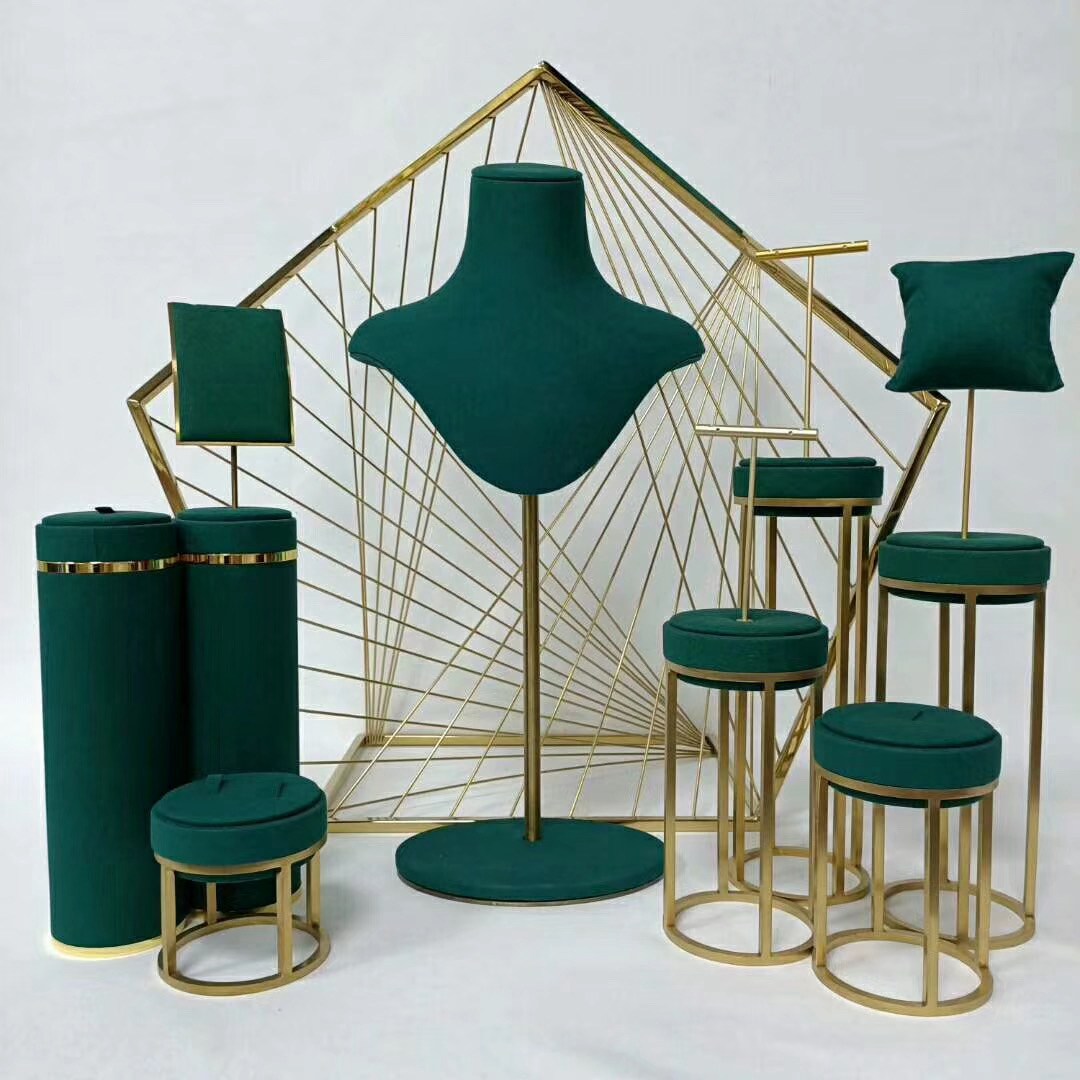
这股"造境"潮,最终都落在一个被长期低估的细节上:陈列。再贵的宝石,也要有人替它安排登场的方式。一条高级项链要不要被打在丝绒布景里、一只腕表该不该卧在带灯凹槽中、一整面墙的彩宝如何靠光线分层——这些都不是装饰,而是叙事。有门店做过实验,仅把主推款从平铺改为 45 度斜打光,驻足率就明显抬升,说明好陈列是会拉客的。于是珠宝陈列道具与珠宝摆台从后台配件,走到了体验设计的前台;一只设计得体的首饰盒,既是 protective 的归宿,也是开箱那一刻的情绪起点。骏依美包装在与门店合作时,越来越常被问到的已不是"盒子够不够硬",而是"这套包装和你们的灯光、你们的动线,是不是同一句话"。珠宝包装设计因此被拉进整体空间语言里,成为品牌在世界里说话的腔调之一。
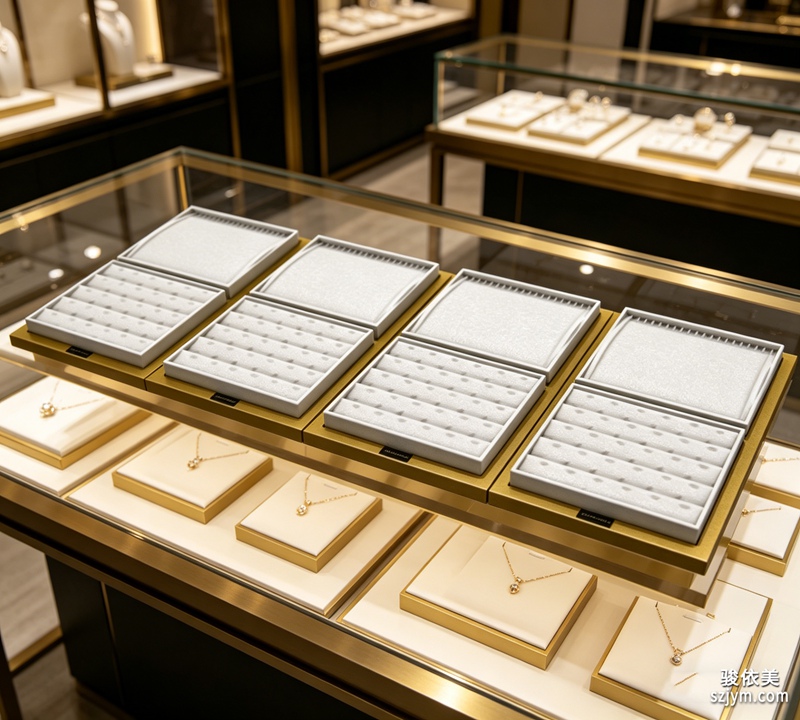
对中小品牌来说,这未必是烧钱竞赛。体验不靠面积,靠巧思:一面可换展的珠宝摆台、一组随季节更替的主题首饰盒、一段让顾客上手试戴的动线,成本可控却能把"路过"变成"停留"。越来越多新锐品牌用快闪店验证这一点——租下半层中庭,用一套珠宝陈列道具搭出临时美术馆,几周就能收回人流与话题。越来越多门店开始做珠宝盒定制,把品牌色、品牌纹样收进开合之间,让饰品包装盒也承担叙事;当大牌把门店做成美术馆,小店反而有机会用更近的距离、更真的手艺讲好属于自己的故事。说到底,被记住的店,才有下次。
本文为原创内容,版权归骏依美所有,如需转载请注明出处。
骏依美——让每一件珠宝首饰,都被更好地呈现与爱戴。一站式解决首饰包装
微信咨询WeChat
扫码添加微信咨询Scan QR code to add WeChat

©2005-2026 深圳骏依美首饰包装有限公司 版权所有 | 21年专注珠宝包装定制©2005-2026 Shenzhen Junyimei Jewelry Packaging Co., Ltd. All Rights Reserved | 21 Years Expertise
特别申明:网站上的图不作品牌复制,图例只作展示,如有不妥请联系我们删除!《品牌订制必需提供品牌授权书》Special Note: Images on this site are for display only, not brand copies. Contact us for removal if any issue arises. Brand customization requires a brand authorization letter.
网站备案/许可证编号:湘ICP备2023014570号Website Registration: Xiang ICP 2023014570

湘公网安备 43020302000290号


