深圳骏依美首饰包装有限公司SHENZHEN JUNYIMEI JEWELRY PACKAGING CO., LTD.
中文English
巡店时,总看见柜台被摆得太满Why Counters Get Over-Stuffed: Notes From Store Visits
一周跑下来三四家加盟店,最常见的一个毛病,是柜台被摆得太满。不是货多,是道具塞得太密,顾客眼睛没处落,导购自己绕着走都嫌挤。
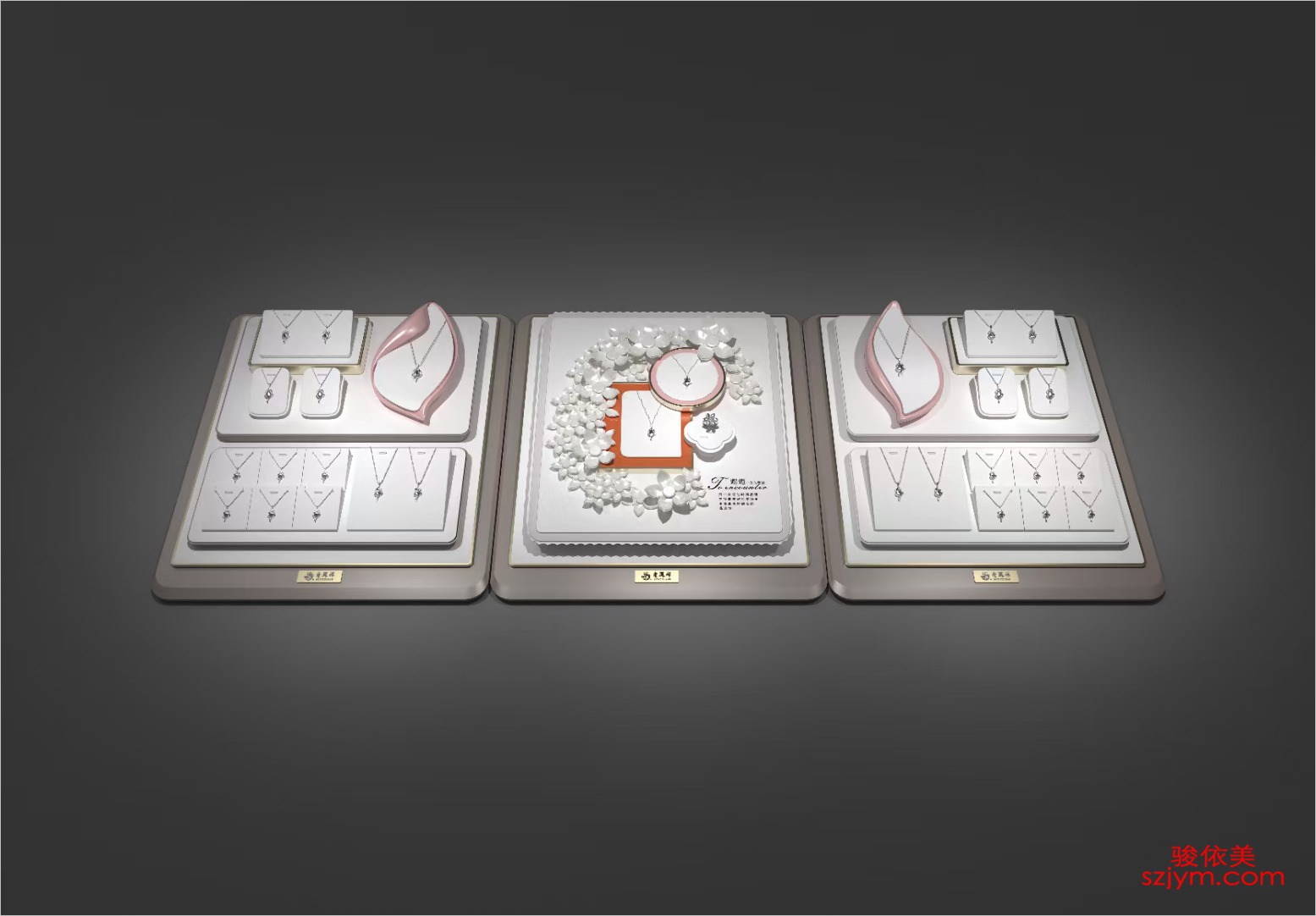 我见过最典型的一种,是把一套模块化陈列道具当收纳用。像骏依美那款白棕配色的首饰陈列道具DJ34,本身设计是戒指、吊坠、手镯分区、门店专用套装,白棕撞色也确实好搭。可有的店员一上手,就把整套餐具摆满,戒指托、吊坠位、手镯槽一个不空,再往中间塞两支备货。远看一片密,近看分不清哪件是主推。这种摆法,DJ34的“百搭”反而变成了“乱搭”。
真正好用的摆法,是给道具留口气。DJ34这类模块化套装,宁可空出三分之一的位子,让主推款单独占一块留白。顾客视线一进来先撞见那一件,才愿意停下。我们给门店做标准化陈列方案时,反复讲的就是这一条——道具不是越多越好,是让货显得值钱。
 还有一个老问题,是样板和卖品不分。柜台上的珠宝首饰盒SH37,帝芙尼蓝哑光PU皮、24K镀金饰条、磁吸扣,米白丝绒内衬带精准卡位,长条项链盒、双层方盒、翻盖戒指盒三款一组,本来是给轻奢品牌做展示样盒用的。可有的店把它既当陈列样、又当成交封装盒,顾客看中的那一只,盒子早被前一位拆开试过了。样盒蹭出指纹、磁吸扣松了,后面的人自然觉得“旧”。我们一直建议:SH37这类的展示样盒单独锁一格,成交用的盒子另开一摞,两件事别混。
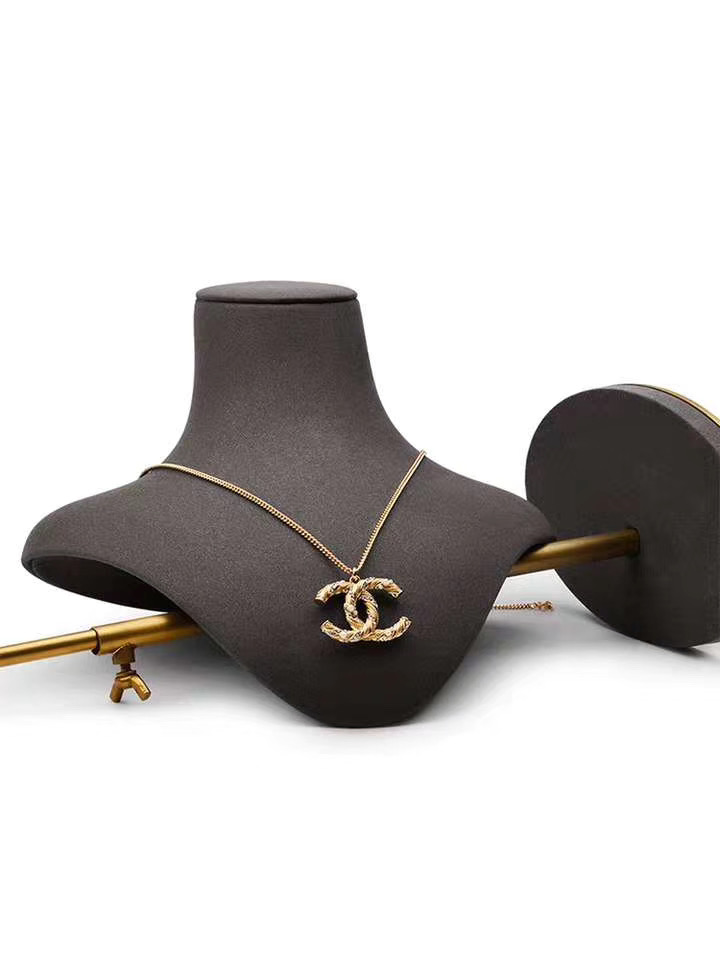
顺带说一句颈模。项链人头脖架SJ20是白色高光人像颈模,H320乘165毫米,配短款项链、锁骨链、吊坠最稳,底座防滑。我们配颈模时都会提醒门店按项链实际长度选高度,SJ20是给短链定的规格。但有的店把长链也往上挂,链子垂到台面,顾客一碰就拖着蹭。颈模尺寸是贴短链设计的,硬上长链只会添乱。
也有店觉得“满”才显得有货。我见过一家,DJ34三块模块全摆上,背后还贴满促销贴。结果周末客流一多,导购想补一件戒指,得先挪开两层吊坠。慢了三秒,客人就走了。满和勤快是两回事。
巡店看多了就明白,柜台拥挤多半不是面积问题,是没人替道具做减法。少摆两件,货反而更显贵。
本文为原创内容,版权归深圳骏依美所有。如需转载请注明出处。
骏依美——把柜台陈列与包装这件小事,做到讲究。
我见过最典型的一种,是把一套模块化陈列道具当收纳用。像骏依美那款白棕配色的首饰陈列道具DJ34,本身设计是戒指、吊坠、手镯分区、门店专用套装,白棕撞色也确实好搭。可有的店员一上手,就把整套餐具摆满,戒指托、吊坠位、手镯槽一个不空,再往中间塞两支备货。远看一片密,近看分不清哪件是主推。这种摆法,DJ34的“百搭”反而变成了“乱搭”。
真正好用的摆法,是给道具留口气。DJ34这类模块化套装,宁可空出三分之一的位子,让主推款单独占一块留白。顾客视线一进来先撞见那一件,才愿意停下。我们给门店做标准化陈列方案时,反复讲的就是这一条——道具不是越多越好,是让货显得值钱。
还有一个老问题,是样板和卖品不分。柜台上的珠宝首饰盒SH37,帝芙尼蓝哑光PU皮、24K镀金饰条、磁吸扣,米白丝绒内衬带精准卡位,长条项链盒、双层方盒、翻盖戒指盒三款一组,本来是给轻奢品牌做展示样盒用的。可有的店把它既当陈列样、又当成交封装盒,顾客看中的那一只,盒子早被前一位拆开试过了。样盒蹭出指纹、磁吸扣松了,后面的人自然觉得“旧”。我们一直建议:SH37这类的展示样盒单独锁一格,成交用的盒子另开一摞,两件事别混。
顺带说一句颈模。项链人头脖架SJ20是白色高光人像颈模,H320乘165毫米,配短款项链、锁骨链、吊坠最稳,底座防滑。我们配颈模时都会提醒门店按项链实际长度选高度,SJ20是给短链定的规格。但有的店把长链也往上挂,链子垂到台面,顾客一碰就拖着蹭。颈模尺寸是贴短链设计的,硬上长链只会添乱。
也有店觉得“满”才显得有货。我见过一家,DJ34三块模块全摆上,背后还贴满促销贴。结果周末客流一多,导购想补一件戒指,得先挪开两层吊坠。慢了三秒,客人就走了。满和勤快是两回事。
巡店看多了就明白,柜台拥挤多半不是面积问题,是没人替道具做减法。少摆两件,货反而更显贵。
本文为原创内容,版权归深圳骏依美所有。如需转载请注明出处。骏依美——把柜台陈列与包装这件小事,做到讲究。
微信咨询WeChat
扫码添加微信咨询Scan QR code to add WeChat

©2005-2026 深圳骏依美首饰包装有限公司 版权所有 | 21年专注珠宝包装定制©2005-2026 Shenzhen Junyimei Jewelry Packaging Co., Ltd. All Rights Reserved | 21 Years Expertise
特别申明:网站上的图不作品牌复制,图例只作展示,如有不妥请联系我们删除!《品牌订制必需提供品牌授权书》Special Note: Images on this site are for display only, not brand copies. Contact us for removal if any issue arises. Brand customization requires a brand authorization letter.
网站备案/许可证编号:湘ICP备2023014570号Website Registration: Xiang ICP 2023014570

湘公网安备 43020302000290号
☎


