深圳骏依美首饰包装有限公司SHENZHEN JUNYIMEI JEWELRY PACKAGING CO., LTD.
中文English
卷轴展示盘,绒面怎么贴得平Keeping velvet flat on a scroll display
卷轴式珠宝展示盘这两年柜台用得多了。它跟普通平托盘不一样,是能卷起来收的那一种——展开是一块长方形绒面板,收起一卷就走,省地方也好防尘。我们厂做的 DJ6 这款,绒面用的是高档短绒,底色米白,分区是按项链、戒指、耳饰的位置模切出来的。
 说贴绒面,听着简单,真做起来坑不少。卷轴要先绷在一根轴芯上,轴芯多用轻质铝管或纸管,太细一压就弯,太粗又卷不动。我们常用 25 毫米左右的铝管,重量轻又不易变形,纸管便宜但受潮会软,只适合内销短途。绒布是整张包上去的,关键是绷得平。很多便宜货一展开就有气泡、有波纹,就是绷的时候没把张力走匀。我们的做法是先把绒布在恒温房里放一夜,让布性稳了再上胶,胶用环保压敏胶,刷完等半干再贴,这样绒面不容易起拱。
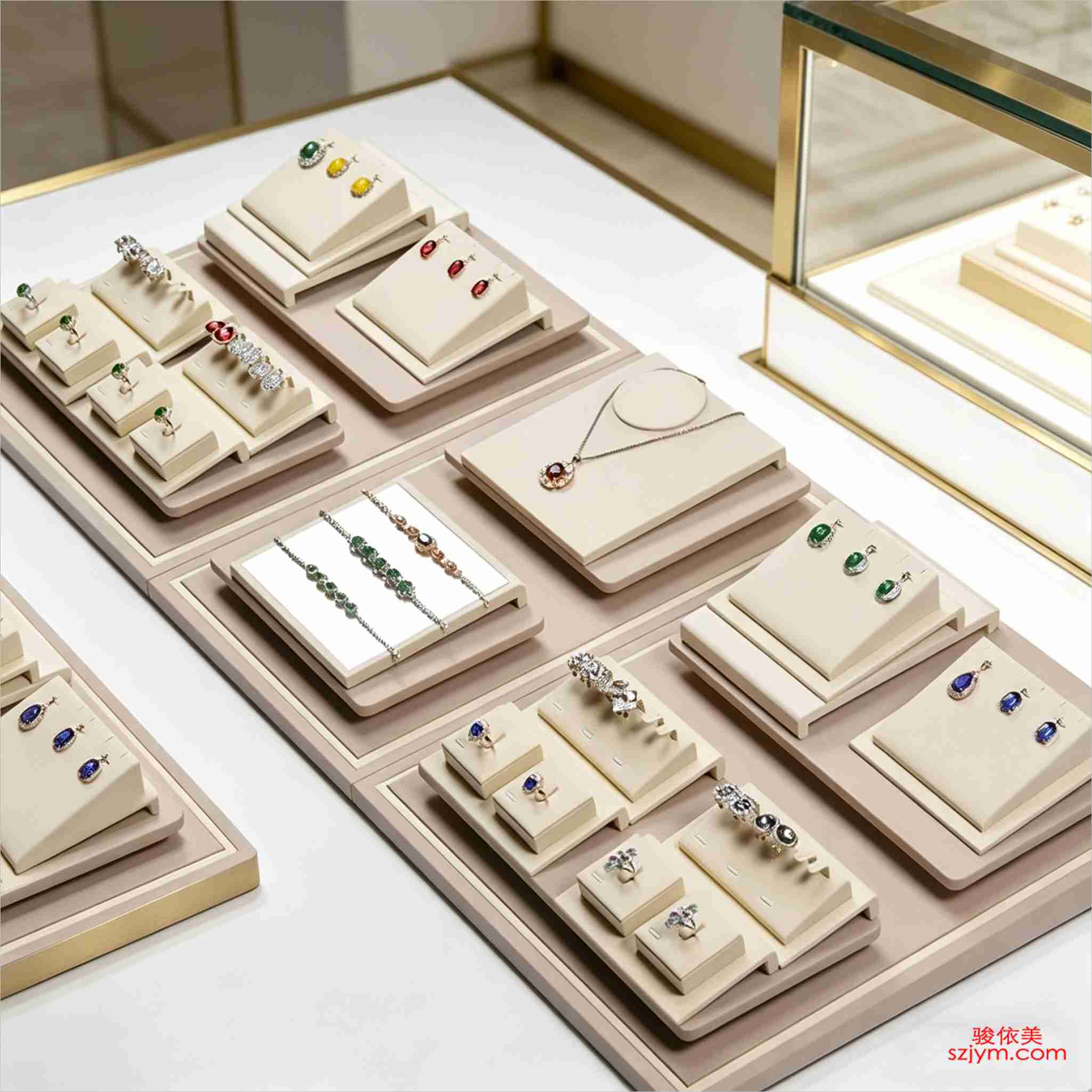
分区是这道产品的门道。DJ6 把项链位、戒指位、耳饰位分了三块,戒指位用的是细绒开槽,戒指卡进去不晃;耳饰位留了小针插,耳钉插上去不会滚。模切精度要求高,刀模磨损一两丝,槽位就对不齐,所以每跑两万次就要换刀。轴线也要对齐,盘收卷后绒面不能错层,否则摊开一道棱。
翻车最常见的是掉绒和开胶。掉绒多半是绒布克重不够,或者上胶温度没到,绒根没咬住;开胶往往是胶层太厚,压不实。我们每批抽五件做拉绒测试,指甲刮二十下不掉毛才算过。还有种情况是收到货卷不直,多半是运输时纸筒被压,轴芯弯了,这种只能换管重卷。
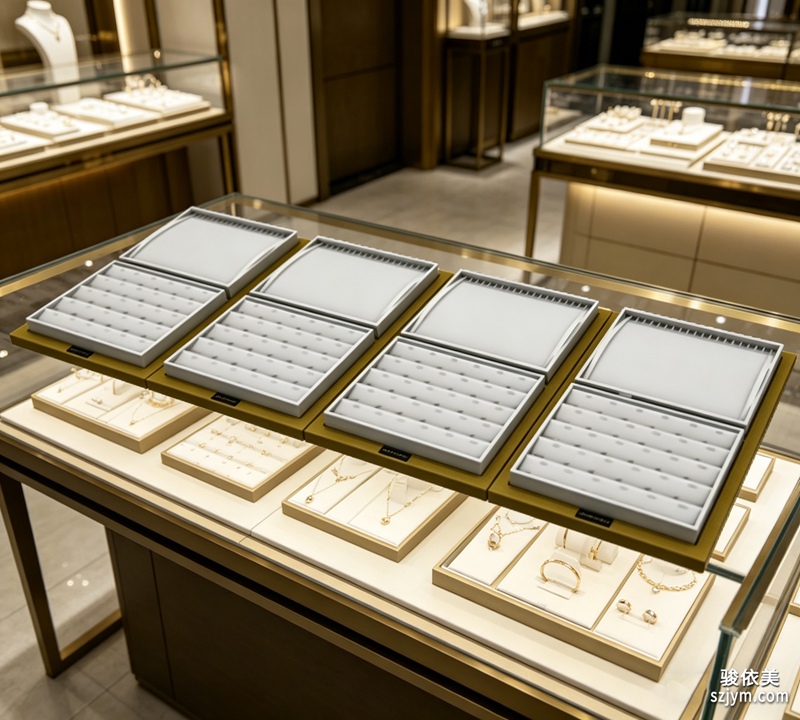 柜台用的时候,卷轴的优势在收。闭店卷起来塞进柜子,第二天摊开就是平整一面,比一摞平托盘省事。但卷的时候要注意方向,绒面朝外卷,轴芯才不会压出死折。运输更得小心,我们出厂是卷好放进纸筒,再套五层外箱,怕的是快递一压,轴芯弯了,展开就回不直。
挑这类展示盘,先看绒面倒顺。同一面光下,绒往一个方向顺,往另一方向就发暗,好绒两面色差小。再看分区是不是真的合用,有的只做了项链位,戒指耳钉没地方放,摆出来还是乱。定做时把你要陈列的件数和尺寸给厂里,分区按实物开槽,比通用款好用。宽度一般按柜台空档定,太宽卷起来直径大,塞不进抽屉。
这类展示盘解决的是柜台"临时铺开、用完就收"的需求。它不像固定陈列台占地方,也不像平托盘容易积灰,一卷一展,珠宝的质感就出来了。
说贴绒面,听着简单,真做起来坑不少。卷轴要先绷在一根轴芯上,轴芯多用轻质铝管或纸管,太细一压就弯,太粗又卷不动。我们常用 25 毫米左右的铝管,重量轻又不易变形,纸管便宜但受潮会软,只适合内销短途。绒布是整张包上去的,关键是绷得平。很多便宜货一展开就有气泡、有波纹,就是绷的时候没把张力走匀。我们的做法是先把绒布在恒温房里放一夜,让布性稳了再上胶,胶用环保压敏胶,刷完等半干再贴,这样绒面不容易起拱。
分区是这道产品的门道。DJ6 把项链位、戒指位、耳饰位分了三块,戒指位用的是细绒开槽,戒指卡进去不晃;耳饰位留了小针插,耳钉插上去不会滚。模切精度要求高,刀模磨损一两丝,槽位就对不齐,所以每跑两万次就要换刀。轴线也要对齐,盘收卷后绒面不能错层,否则摊开一道棱。
翻车最常见的是掉绒和开胶。掉绒多半是绒布克重不够,或者上胶温度没到,绒根没咬住;开胶往往是胶层太厚,压不实。我们每批抽五件做拉绒测试,指甲刮二十下不掉毛才算过。还有种情况是收到货卷不直,多半是运输时纸筒被压,轴芯弯了,这种只能换管重卷。
柜台用的时候,卷轴的优势在收。闭店卷起来塞进柜子,第二天摊开就是平整一面,比一摞平托盘省事。但卷的时候要注意方向,绒面朝外卷,轴芯才不会压出死折。运输更得小心,我们出厂是卷好放进纸筒,再套五层外箱,怕的是快递一压,轴芯弯了,展开就回不直。
挑这类展示盘,先看绒面倒顺。同一面光下,绒往一个方向顺,往另一方向就发暗,好绒两面色差小。再看分区是不是真的合用,有的只做了项链位,戒指耳钉没地方放,摆出来还是乱。定做时把你要陈列的件数和尺寸给厂里,分区按实物开槽,比通用款好用。宽度一般按柜台空档定,太宽卷起来直径大,塞不进抽屉。
这类展示盘解决的是柜台"临时铺开、用完就收"的需求。它不像固定陈列台占地方,也不像平托盘容易积灰,一卷一展,珠宝的质感就出来了。微信咨询WeChat
扫码添加微信咨询Scan QR code to add WeChat

©2005-2026 深圳骏依美首饰包装有限公司 版权所有 | 21年专注珠宝包装定制©2005-2026 Shenzhen Junyimei Jewelry Packaging Co., Ltd. All Rights Reserved | 21 Years Expertise
特别申明:网站上的图不作品牌复制,图例只作展示,如有不妥请联系我们删除!《品牌订制必需提供品牌授权书》Special Note: Images on this site are for display only, not brand copies. Contact us for removal if any issue arises. Brand customization requires a brand authorization letter.
网站备案/许可证编号:湘ICP备2023014570号Website Registration: Xiang ICP 2023014570

湘公网安备 43020302000290号
☎


