小众设计逆袭大牌Why Indie Jewelry Designers Are Stealing The Spotlight
当大牌还在用橱窗里那几件经典款守着身价,一群没有巨额广告预算、甚至没有实体门店的小工作室,正悄悄把年轻顾客请进自己的世界。这不是一次风格轮替,而是珠宝消费逻辑的根本转向:人们开始为"谁做了这件东西"买单,而不只是为"它印着哪个 logo"。在 2026 年的货架上,来历清晰、主理人署名的小众设计,正从边缘走向中央,购买的天平正在从牌匾滑向手作。大牌用百年声誉背书,小工作室用主理人的名字背书,而这一次的消费者,似乎更愿相信看得见的那个人。这股风从欧美吹到国内,独立银匠与金工工作室在社交平台上的关注者,正以肉眼可见的速度增长。
数据最先发出信号。Jewelers of America 近三年的追踪显示,独立与订制珠宝工作室在高端市场里的份额持续扩大;美国市场上,手作银饰与微型工作室的出海销量逐年走高,墨西哥瓦哈卡一带家族经营的银匠作坊,如今能把一件作品在几天内送到地球另一端的手腕上。社交平台把这种连接放大了——一段匠人打磨、錾刻、抛光的过程,比任何精修广告都更打动人。更关键的是,这种直连绕开了中间商,让匠人拿到应得的回报,也让买家省下品牌溢价,内容与信任正在变成可累积的复利。
年轻一代是这场迁徙的主角。他们厌倦了撞款的尴尬,也厌倦了为看不见的品牌税买单。一个被广泛引用的对比是:一枚 1.5 克拉的 oval 单钻戒指,在传统大牌柜台标价可能高达一万三到一万七美元,而主理人工作室用透明的成本加成模式,往往只要六千到九千美元,省下的预算还能把主石的净度或颜色再升一级。对买家而言,这不是退而求其次,而是一种更清醒的消费姿态——不再为橱窗里的灯光和柜姐的微笑多付钱,而是把预算留给真正决定佩戴体验的金属与宝石。撞款带来的尴尬,正在被"只此一件"的稀缺感取代,年轻人宁愿等上数周,也要拿到带名字的那一件。
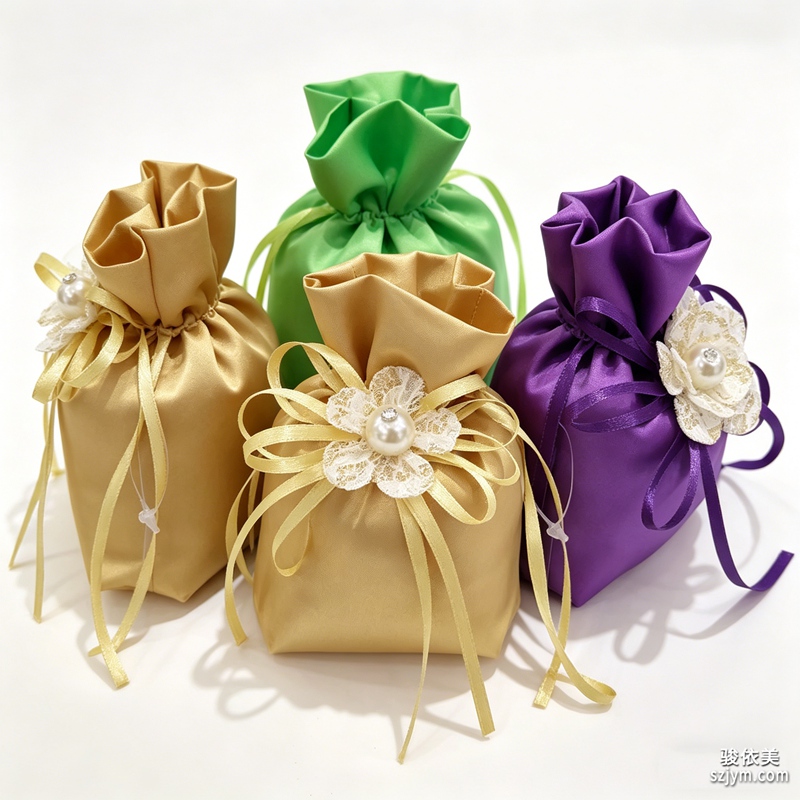
更深层的变化,是"奢侈"二字的定义被重写。过去珠宝约等于贵重金属加稀缺性,今天它越来越多地指向故事、可追溯与专属感。独立设计师愿意把匠人的名字刻进戒臂内圈,愿意交代每一颗配石的产地与证书,这种把个人声誉押在金属与火彩上的坦诚,恰恰是流水线给不了的。而当品牌一年只做几十、几百件作品时,它需要的不再是千篇一律的工业包装,而是能把这份手作气质延续到拆盒瞬间的细节——一枚克制的珠宝盒定制,一套呼应品牌气质的珠宝包装设计,往往比满版 logo 更能替作品说话。好的包装不是把作品裹起来,而是把作品的气质再讲一遍,当盒子本身也经得起端详,拆盒就成了品牌叙事的第一幕;当包装与作品气质一致,买家收到的不只是一枚戒指,更是一段可以转述的故事。
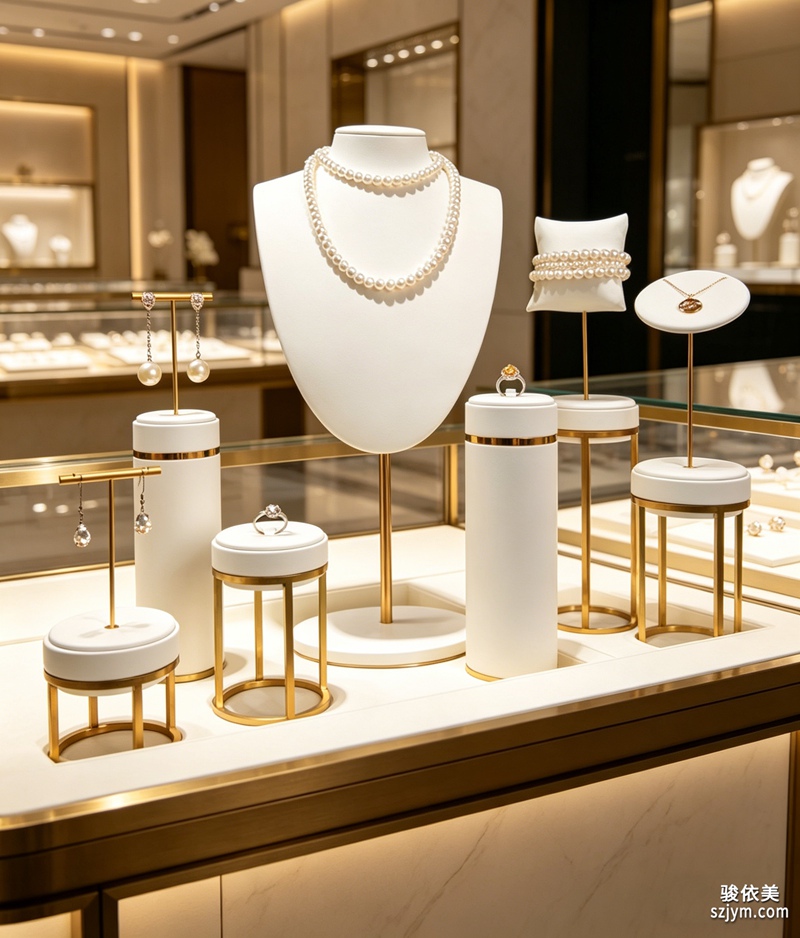
这也解释了为什么越来越多设计师把线下 trunk show 与快闪店当作主场。没有大百货的租金与排期压力,他们用几组珠宝陈列道具和一方珠宝摆台,就把一个临时空间变成有呼吸的画廊;临时空间里的陈列没有标准答案,却比恒定打光的专柜更接近真实的生活场景,顾客愿意亲手触摸、试戴、听故事,恰恰说明珠宝从来不是一门纯线上的生意。快闪店之外,设计师也开始重视固定空间的陈列节奏,用灯光与留白替作品留出呼吸。
当然,独立设计并非万能解药。它仍小、仍散、仍难规模化,鉴定、售后与信任始终是横在门前的门槛。但当 Z 世代把独一无二排在人人都有的大牌之前,这条小而美的赛道只会越长越结实,它不是要取代大牌,而是在大牌够不到的缝隙里,长出了另一种奢侈的可能。对做呈现的人来说,机会也藏在这里:当一位匠人想让自己的作品被更好地爱戴,一只贴心的首饰袋、一枚恰到好处的盒子,就是品牌叙事落下的最后一笔,它不喧哗,却让人记住。对工厂与供应链而言,小批量、多批次的订单正在成为新常态,柔性生产比规模更重要。
本文为原创内容,版权归骏依美所有,如需转载请注明出处。
骏依美——让每一件珠宝首饰,都被更好地呈现与爱戴。一站式解决首饰包装
微信咨询WeChat
扫码添加微信咨询Scan QR code to add WeChat

©2005-2026 深圳骏依美首饰包装有限公司 版权所有 | 21年专注珠宝包装定制©2005-2026 Shenzhen Junyimei Jewelry Packaging Co., Ltd. All Rights Reserved | 21 Years Expertise
特别申明:网站上的图不作品牌复制,图例只作展示,如有不妥请联系我们删除!《品牌订制必需提供品牌授权书》Special Note: Images on this site are for display only, not brand copies. Contact us for removal if any issue arises. Brand customization requires a brand authorization letter.
网站备案/许可证编号:湘ICP备2023014570号Website Registration: Xiang ICP 2023014570

湘公网安备 43020302000290号


