深圳骏依美首饰包装有限公司SHENZHEN JUNYIMEI JEWELRY PACKAGING CO., LTD.
中文English
蜂窝托盘排钻,卡位怎么开得准Cutting honeycomb slots on a diamond display tray
讲托盘,先说卡位。我们这款珠宝首饰托盘TP24走的是蜂窝造型,整块米色绒面被压出一片六边形卡位,专门排戒指、耳钉这类小件。为什么用六边形而不是方格?同样一掌大的盘面,六边形能塞进更多卡位,密镶的小钻一排排铺开,射灯斜打下去,火彩连成一片,比零散几个方格子更显货。
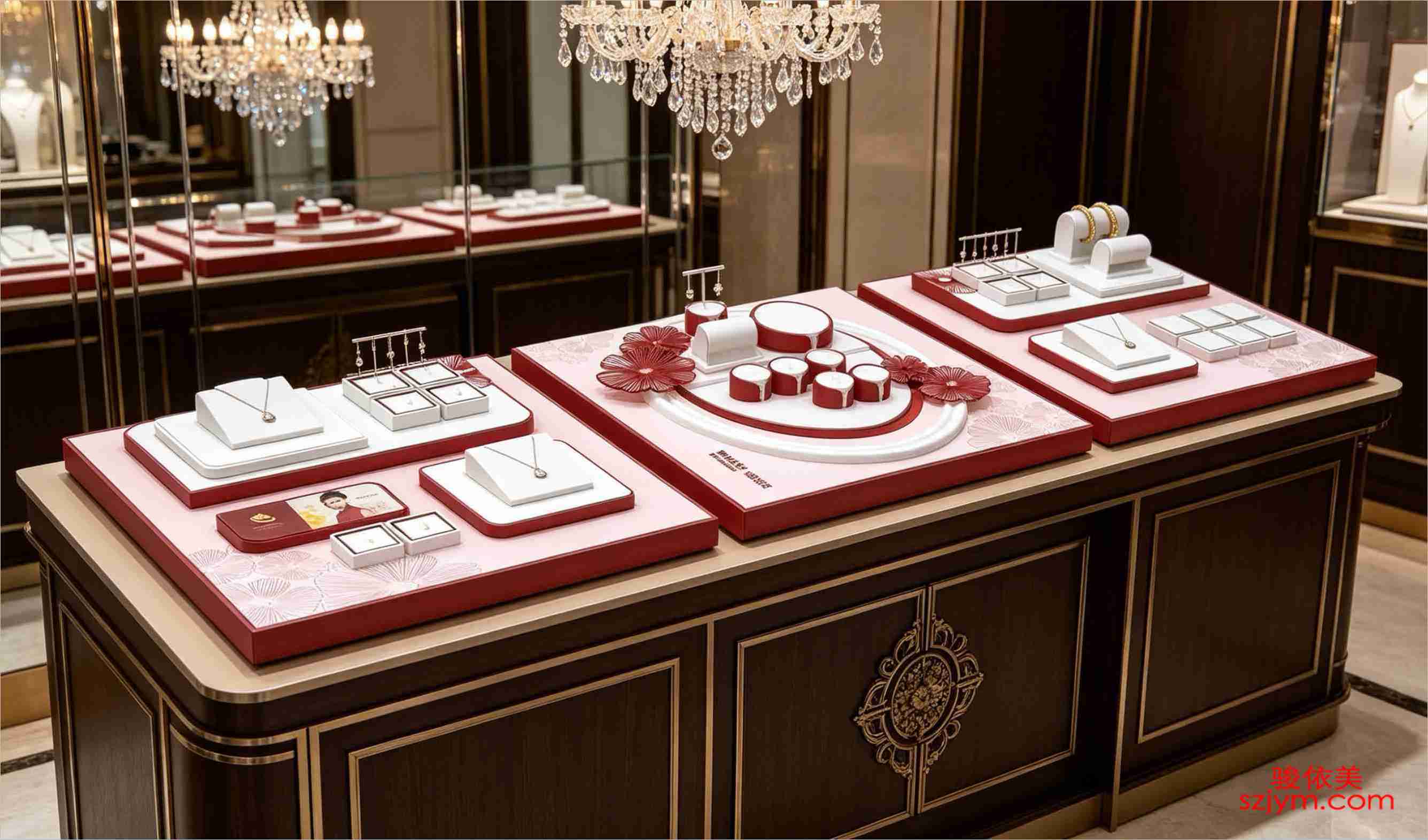 卡位不是画上去的,是模切出来的。片材按刀模冲切,刀模钝了或者压力不均,卡位边缘就起毛、尺寸忽大忽小,戒指放进去直晃。我们验货时拿游标卡尺抽卡位内径,差零点几毫米就得返修。绒面也有讲究,TP24用的是短绒米色绒布,倒顺毛必须一致,不然同一束光下两块绒面发花,像没铺平。
香槟金边框是后包上去的。边框和绒面底板分开做,包边时胶要匀,拐角不能留气泡,否则金边发雾还容易翘。不少便宜托盘金边一两个月就氧化发暗,我们一般用仿金电镀或覆膜,保色能撑久一点。
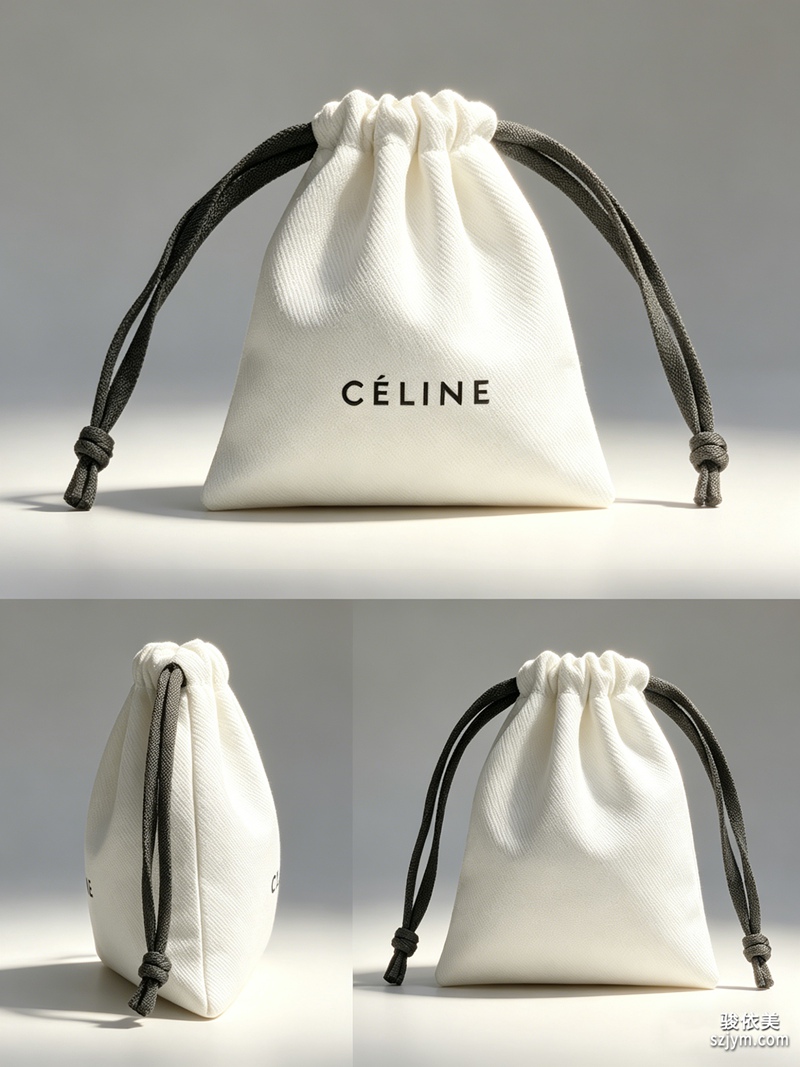 排钻有手法。卡位深度得跟戒托匹配,太浅戒指立不住,太深只露个尖。耳钉更麻烦,耳针要卡进预留的小缝,不能压到珍珠母贝。卡位之间也要留呼吸——排得太密,戒指互相蹭,爪镶的尖容易勾住隔壁戒臂;留太宽又显空,一托盘没几件货。我们按戒圈内径给卡位之间留两毫米左右的间隙,既紧凑又不打架。
翻车也见过。有批绒布倒毛没控好,柜台灯下一片亮一片暗;还有金边包角进了胶,晾干后起小白点。补救就是把绒面整张换掉、包边重来,返工成本比第一次做还高。绒面还怕潮,仓库返潮米色绒面会发硬、边缘起卷,上柜一摸就露馅,所以我们存货都离地垫高、配除湿。
运输那一段最怕压。托盘是扁平件,箱子叠高了底层卡位被压塌,到店一摆戒指放不进去。五层外箱之外,我们会在箱里加硬质隔板,把上下托盘隔开。定制这块,盘面尺寸、卡位数量、绒布颜色都能改,常见起订量按版算,小批先打样看实物最稳。卡位内壁我们也做圆角处理,戒指爪尖不会卡在直角缝里取不下来;托盘也别和香水、樟脑放一处,绒面吸味,上柜一股怪味客人放下就走。说到底,托盘是柜台里最不起眼又最不能糊弄的件——卡位准、绒面匀、金边牢,客人低头挑钻的那几秒,专业感就在里头。
本文为原创内容,版权归深圳骏依美所有。如需转载请注明出处。
骏依美——让每一件珠宝与腕表,都被更好地呈现。
卡位不是画上去的,是模切出来的。片材按刀模冲切,刀模钝了或者压力不均,卡位边缘就起毛、尺寸忽大忽小,戒指放进去直晃。我们验货时拿游标卡尺抽卡位内径,差零点几毫米就得返修。绒面也有讲究,TP24用的是短绒米色绒布,倒顺毛必须一致,不然同一束光下两块绒面发花,像没铺平。
香槟金边框是后包上去的。边框和绒面底板分开做,包边时胶要匀,拐角不能留气泡,否则金边发雾还容易翘。不少便宜托盘金边一两个月就氧化发暗,我们一般用仿金电镀或覆膜,保色能撑久一点。
排钻有手法。卡位深度得跟戒托匹配,太浅戒指立不住,太深只露个尖。耳钉更麻烦,耳针要卡进预留的小缝,不能压到珍珠母贝。卡位之间也要留呼吸——排得太密,戒指互相蹭,爪镶的尖容易勾住隔壁戒臂;留太宽又显空,一托盘没几件货。我们按戒圈内径给卡位之间留两毫米左右的间隙,既紧凑又不打架。
翻车也见过。有批绒布倒毛没控好,柜台灯下一片亮一片暗;还有金边包角进了胶,晾干后起小白点。补救就是把绒面整张换掉、包边重来,返工成本比第一次做还高。绒面还怕潮,仓库返潮米色绒面会发硬、边缘起卷,上柜一摸就露馅,所以我们存货都离地垫高、配除湿。
运输那一段最怕压。托盘是扁平件,箱子叠高了底层卡位被压塌,到店一摆戒指放不进去。五层外箱之外,我们会在箱里加硬质隔板,把上下托盘隔开。定制这块,盘面尺寸、卡位数量、绒布颜色都能改,常见起订量按版算,小批先打样看实物最稳。卡位内壁我们也做圆角处理,戒指爪尖不会卡在直角缝里取不下来;托盘也别和香水、樟脑放一处,绒面吸味,上柜一股怪味客人放下就走。说到底,托盘是柜台里最不起眼又最不能糊弄的件——卡位准、绒面匀、金边牢,客人低头挑钻的那几秒,专业感就在里头。
本文为原创内容,版权归深圳骏依美所有。如需转载请注明出处。骏依美——让每一件珠宝与腕表,都被更好地呈现。
微信咨询WeChat
扫码添加微信咨询Scan QR code to add WeChat

©2005-2026 深圳骏依美首饰包装有限公司 版权所有 | 21年专注珠宝包装定制©2005-2026 Shenzhen Junyimei Jewelry Packaging Co., Ltd. All Rights Reserved | 21 Years Expertise
特别申明:网站上的图不作品牌复制,图例只作展示,如有不妥请联系我们删除!《品牌订制必需提供品牌授权书》Special Note: Images on this site are for display only, not brand copies. Contact us for removal if any issue arises. Brand customization requires a brand authorization letter.
网站备案/许可证编号:湘ICP备2023014570号Website Registration: Xiang ICP 2023014570

湘公网安备 43020302000290号
☎


