柜台摆多高才卖货How Display Height And Store Flow Drive Jewelry Sales
珠宝店老板常问:同样的货,为什么有的柜台天天走量、有的却像摆设?答案往往不在货本身,而在"摆多高、摆哪里"。不少店主把预算花在货品和装修上,却忽略了"高度"这件最便宜也最有效的事。下面把门店动线和陈列高度几个常被忽略的点拆开讲。
Q1:黄金视线高度到底是多少?为什么它这么要紧?
A:零售人体工学把陈列高度分成三个区。视线平视区(离地约1.2–1.7米)是转化最高的位置,研究普遍显示这一区商品的关注度与成交率可达地面层或1.8米以上位置的2–3倍。一家英国咖啡品牌的货架实测里,同一排某一层与上下层相比还能再带来23%的销售提升;澳大利亚一份零食研究更测算,仅优化货架层位每年就有约5200万美元的销售机会、单店净销售提升25.7%。珠宝体积虽小、单价却高,更该把主推款和新品放进这个"被看见"的带里。做珠宝陈列道具时,先把展台、珠宝摆台的整体高度校准到视线区,比堆得多更重要。
Q2:伸手可及的"冲动区"适合放什么?
A:视线区往下、约0.8–1.2米的"伸手区",是顾客不用弯腰、下意识就能拿起来把玩的区间。零售数据显示,顾客一旦亲手接触商品,购买概率最高可提升约40%。对首饰这类"上手才心动"的品类,把戒指、耳钉、小吊坠这些轻巧单品用饰品包装盒或首饰盒分格摆在伸手区,配合敞开式陈列,比锁在高位玻璃柜里更容易促成试戴。伸手区的货要"轻、小、敢碰",太重或太贵的不适合放这里。
Q3:灯光色温怎么配合陈列高度?
A:光是陈列里看不见的销售员。研究测量,被妥善打光的商品比无光或暗淡陈列多获得30%–50%的视线注意。色温有讲究:暖白光(2700–3000K)更衬黄金与木色,冷白光(4000–5000K)更显白银与科技感。把灯带的高度与视线区对齐,让光正好落在主推款上,而不是照在空柜面。珠宝盒定制时若提前预留灯槽,能让摆台在同样位置比邻柜更跳出来。
Q4:入口第一米为什么是"死区"?
A:行为研究里有个"减压区"概念:顾客进门后头几米还在调整步伐、辨认环境,很少真的看细节。把最贵的镇店款或主推陈列直接怼在门口,反而浪费。更稳妥的做法是沿主通道用Z字形动线引导——约85%的顾客有右行习惯,入口右侧放强视觉焦点(如限量主题珠宝摆台),再循序把客流带到视线区柜台。道具的"第一眼"该是钩子,不是全部。
Q5:定制展柜和通用道具差在哪?
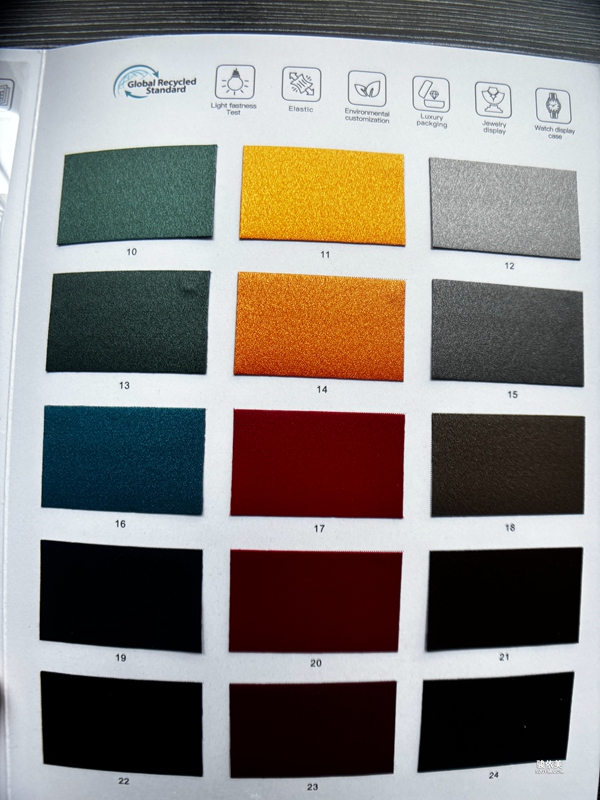
A:通用道具层位固定,很难让每一件货都落在视线区;定制展柜能按自家货型和客流校准层高。行业测算,珠宝腕表类的定制陈列相比标准陈列,销售提升约32%。差距还不止高度——材质与玻璃也影响信任感:低铁超白玻璃透光率超90%,标准浮法玻璃约82%,钻石和白银透过低铁玻璃更透亮。这一点对珠宝包装设计也有启示:内衬的反射与透光度同样左右"开盒即高级"的第一印象,而这正是珠宝盒定制能做的事。
Q6:一组摆几个最不让人累?
A:视觉陈列里有个"三件法则":把同系列按三件成组(同尺寸、同用途或同价位)摆放,比两件显得二元、比四件以上更不易让人选择疲劳。三件也正好呼应"主推+陪衬+价格锚"的结构。配合场景化组合——比如把首饰盒、首饰袋、以及珠宝袋加工出来的礼赠小物并置成一个"送礼角"——研究指出好场景能让顾客多停留40–60秒,成交随之提高。
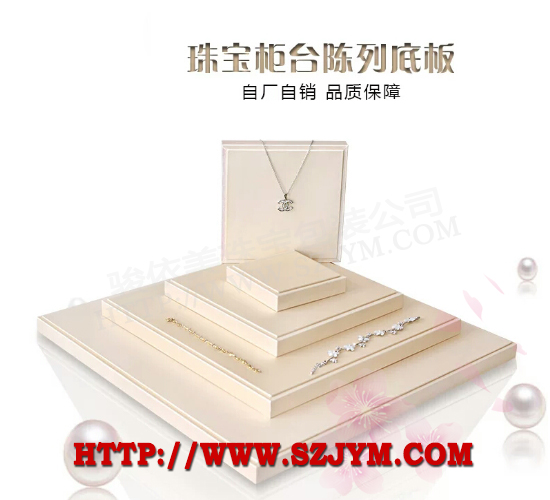
说到底,陈列高度不是玄学,而是一组可被测量的数字:把主推放进1.2–1.7米的视线区、把轻巧单品留在0.8–1.2米的伸手区、用对色温的光、把入口让给钩子而非全部。搭配顺手的珠宝陈列道具与珠宝摆台,柜台自然从"摆设"变成会卖货的利器。
本文为原创内容,版权归骏依美所有,如需转载请注明出处。
骏依美——让每一件珠宝首饰,都被更好地呈现与爱戴。一站式解决首饰包装
微信咨询WeChat
扫码添加微信咨询Scan QR code to add WeChat

©2005-2026 深圳骏依美首饰包装有限公司 版权所有 | 21年专注珠宝包装定制©2005-2026 Shenzhen Junyimei Jewelry Packaging Co., Ltd. All Rights Reserved | 21 Years Expertise
特别申明:网站上的图不作品牌复制,图例只作展示,如有不妥请联系我们删除!《品牌订制必需提供品牌授权书》Special Note: Images on this site are for display only, not brand copies. Contact us for removal if any issue arises. Brand customization requires a brand authorization letter.
网站备案/许可证编号:湘ICP备2023014570号Website Registration: Xiang ICP 2023014570

湘公网安备 43020302000290号


