周二的下午两三点,店里没人。这种空场最容易被当成歇一口气,其实刚好是柜台自己调一遍的时候。上午那波人潮退去,柜台像被翻过一遍的抽屉,得趁没人重新收齐。我习惯在两点半泡杯茶,不是真歇,是趁着没人盯着,把上午被翻乱的那一排从头理一遍。
客人一拨拨走掉之后,展柜里总留着点乱:被反复拿起看过的戒指,卡位歪了;试戴镜前落了手印;最该在显眼位的主推款,反而被挤到了边角。趁没人的空当把这些归位,比等客流回来再手忙脚乱强得多。
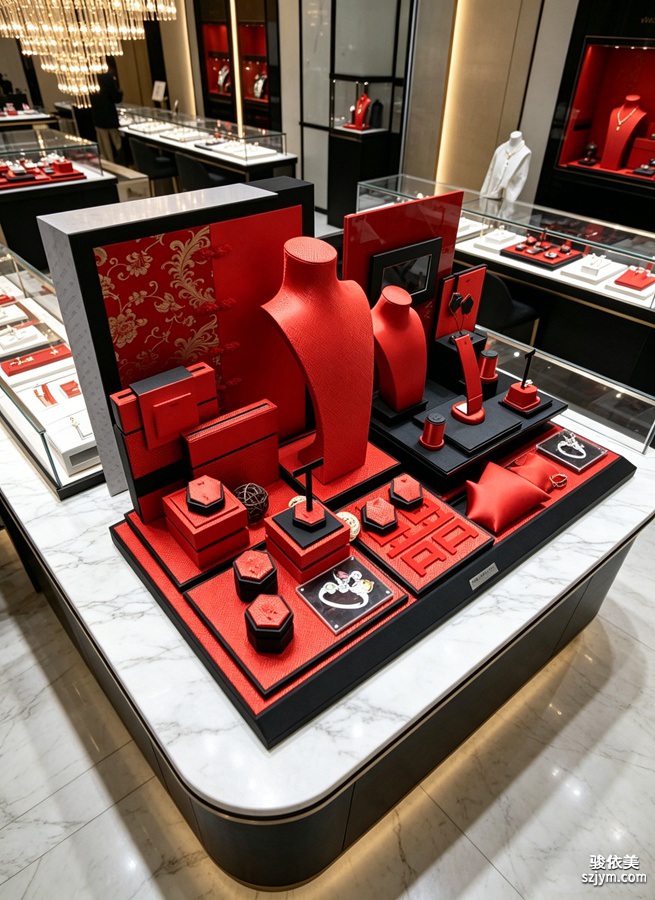
像钻铂钯K金陈列套台DJ50这种三联式的台子,米白配香槟金,左边开放式礼盒、中间圆形托架、右边多点位戒指座。我们私下叫它三件套,平时戒指、对戒、项链各占一块,只有周末才塞满。空场时我把中间托架上的主推款往上提一格,让它正好落在客人站着的视平线高度;两侧戒指座反倒清空两格——货一多,眼睛就累了,留点空反而显贵。托架上的绒圈我也顺手紧一遍,戴久了的戒指圈在托上留印,松了客人一拿就晃。
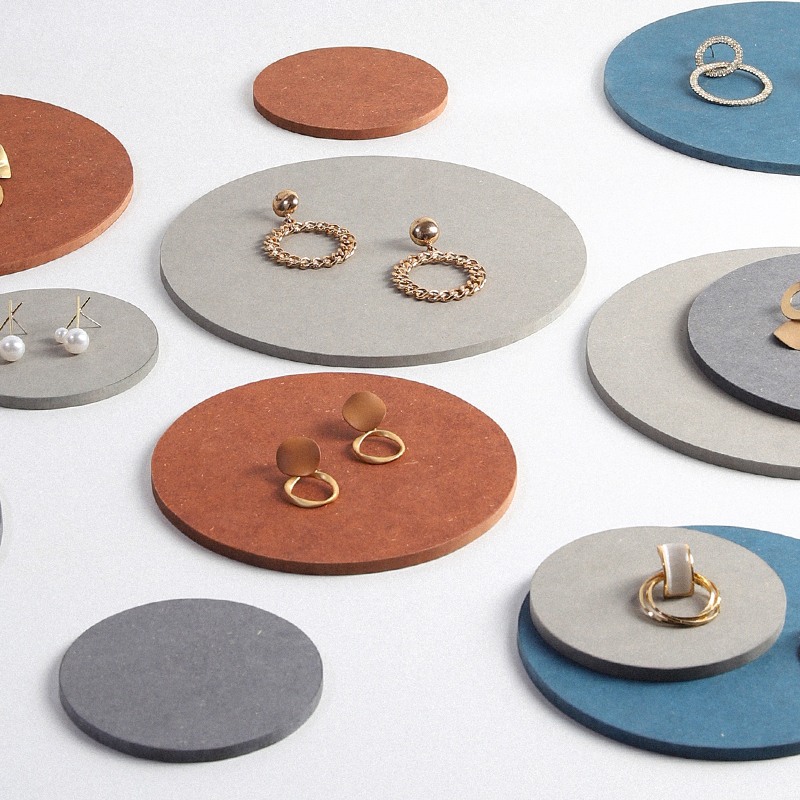
珠宝首饰托盘TP26是米色绒面配木质边框的钻石戒指盘,一格一格分区。空场轮转有个讲究:摆了三天没人碰的那几格,挪到靠灯那侧;天天被翻的那几格,往后退一点,给客人留只手伸进去的空间。绒面沾了指纹,拿软布顺一个方向擦,别打圈,圈着擦反而把灰带进绒里。木质边框的边角也得擦,沾了柜台蜡就发乌,远看像旧了一截。
珠宝首饰盒SH25这类香槟金礼盒,内盖烫了品牌标识,磁吸开合。空场时我把盒盖轮流开合一遍,磁吸松的那只挑出来交后台换扣——客人开盒那一下要是吸不住,体面就掉了一半。盒内绒布若起了球,也一并换掉,客人摸到毛球,再好的盒也跟着打折。
还有试戴镜。上午被客人凑近照过的那面,边缘一圈油印,空场时用眼镜布转着圈擦干净,别留半道痕,否则客人一照又糊了。
午后斜阳打在玻璃上会起一道反光,正好挡住靠窗那排。把那排的货往里挪十公分,或者拉半幅纱帘,反光就过去了。这事儿等客人来了再调,手忙脚乱还挡视线。
冷场不是没事干。把没人看的货转一转、把松了的扣换一换、把落了灰的绒面顺一顺,等下一拨客人进门,柜台早就是另一个样子了。很多店把空场当休息,其实是把第二天的一半生意,提前在这半小时里做掉了。客人进门第一眼看到的利落,都是没人时一点点抠出来的。
When the floor goes quiet in the middle of a weekday afternoon, most counters treat it as a chance to breathe. It is actually the best window to reset the case before the next wave of customers walks in. I pour a tea at half past two not because the shift is slow, but because nobody is watching and I can go through the row that got roughed up that morning, top to bottom, without an audience.
After a busy spell, a display case is rarely as tidy as it looks. Rings that were picked up and turned over a dozen times sit crooked in their slots. Fingerprints smudge the try-on mirror. The hero piece that should sit at eye level has drifted to a corner. None of this shows in a quick glance, but a customer catches it within seconds. Better to fix it while the floor is empty than to fumble when people are waiting.
A three-part set like the DJ50 bridal staging unit, ivory with champagne-gold accents, an open gift box on the left, a round cradle in the middle, and a multi-slot ring tray on the right, tends to get packed full during peak hours. We call it the trio in the back room; on ordinary days the ring slot, the pair-ring slot and the necklace slot each keep their own block, and only weekends fill it completely. In the quiet hour I lift the featured piece on the central cradle up a notch so it lands exactly at a standing customer's eye line, and I empty two slots on the side trays. A tray that is not crammed reads as more premium than one stuffed edge to edge. While I am at it I tighten the velvet ring on the cradle. A ring worn often leaves a mark on a loose cradle and wobbles the moment a customer lifts it.
The TP26 diamond ring tray, ivory velvet in a wooden frame, is built for sorting. The rotation rule is simple: pieces that have sat untouched for three days move closer to the light; pieces handled constantly step back a little to leave room for a hand to reach in. The velvet picks up fingerprints. Wipe it in one direction with a soft cloth, never in circles, or you just push the dust into the pile. The wooden frame edges need a wipe too. Let counter wax build up and they go dull, looking a shade older than the rest from across the room.
The SH25 champagne-gold gift boxes carry the brand mark foiled inside the lid and close with a magnet. In the slow hour I open and close each one. The box whose magnet feels loose goes to the back office for a new clasp. If a customer's first impression of opening a box is a lid that will not stay shut, half the dignity is already gone. If the inner velvet has started to pill, I swap that too. A customer who feels a lint ball writes off the whole box, however fine it is.
Then there is the try-on mirror. The one guests leaned into all morning carries a ring of oil at the edge. In the quiet hour I clean it with a lens cloth in small circles, so no half-wiped streak is left for the next guest to smear.
Then there is the light. A low afternoon sun throws a hard reflection across the window-side cases and hides the row behind it. Slide that stock ten centimetres inward, or draw a half curtain, and the glare is gone. Do it after customers arrive and you are fumbling in front of them.
A quiet floor is not an idle floor. Turn the pieces nobody looked at, swap the loose clasp, brush the dulled velvet. By the time the door opens again, the counter should already look like a different place. Plenty of shops treat the empty hour as rest. In truth they are doing half of tomorrow's business in that half hour, ahead of time. The neatness a customer sees at first glance is all picked out, bit by bit, when nobody is around.


