深圳骏依美首饰包装有限公司SHENZHEN JUNYIMEI JEWELRY PACKAGING CO., LTD.
中文English
柜台里那几样小东西The Small Things on the Counter
柜台抽屉最里面那格,常年塞着几样东西:一块擦银布、两片超细绒布、一把尖头镊子、一个带灯放大镜、几双薄棉白手套。平时不显眼,真到了成交那一下,全靠它们顶上。
很多店员习惯把这些小物随手堆在台面角落,客人一来挑,手一挥就挡住了;要擦个指纹还得翻半天。我们把它们归到「珠宝首饰托盘TP27」最边上那排空格——白钢琴漆配黑绒的多格位托盘,本来是放戒指耳饰的,空一格给工具正合适,绒面不刮手,漆面一抹就干净。
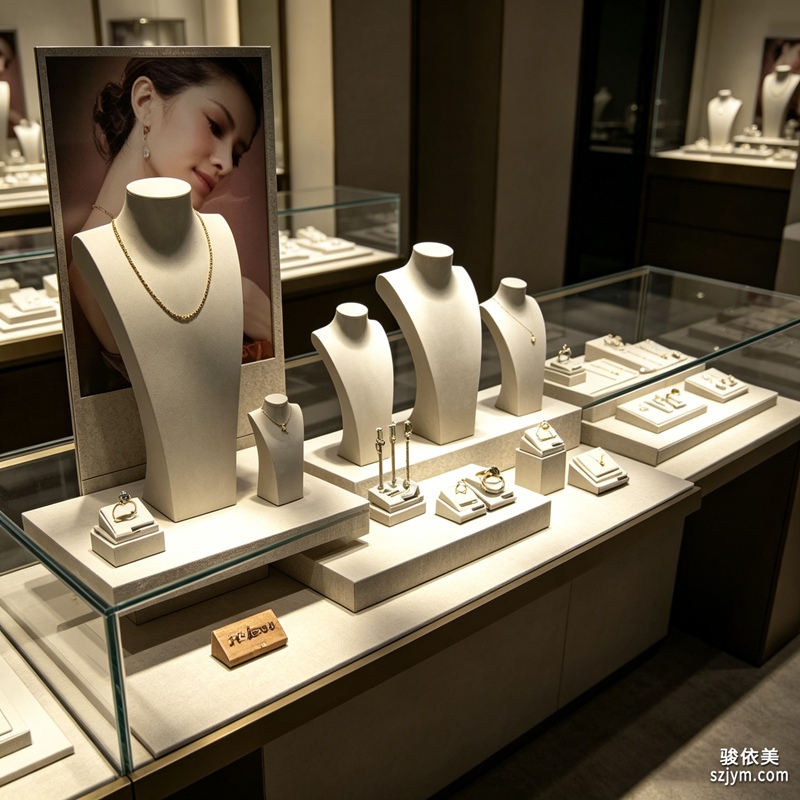 镊子只用尖头的,夹掉落在绒布缝里的碎钻、小耳堵特别顺手。但镊子不能跟首饰混放,有回新来的伙计把镊子扔进戒指格,客人自己拿货时指尖划了道红印,虽没大事,心里总过不去。所以我们给镊子单留一格,绝不进首饰槽。
放大镜带灯那把最金贵,电池没了就抓瞎。周五下班前换一次电池,顺手把绒布翻面——一面用脏了翻另一面,两面都油了就进洗衣袋。擦银布不能水洗,越洗越没用,脏了直接换,别心疼那几块钱。
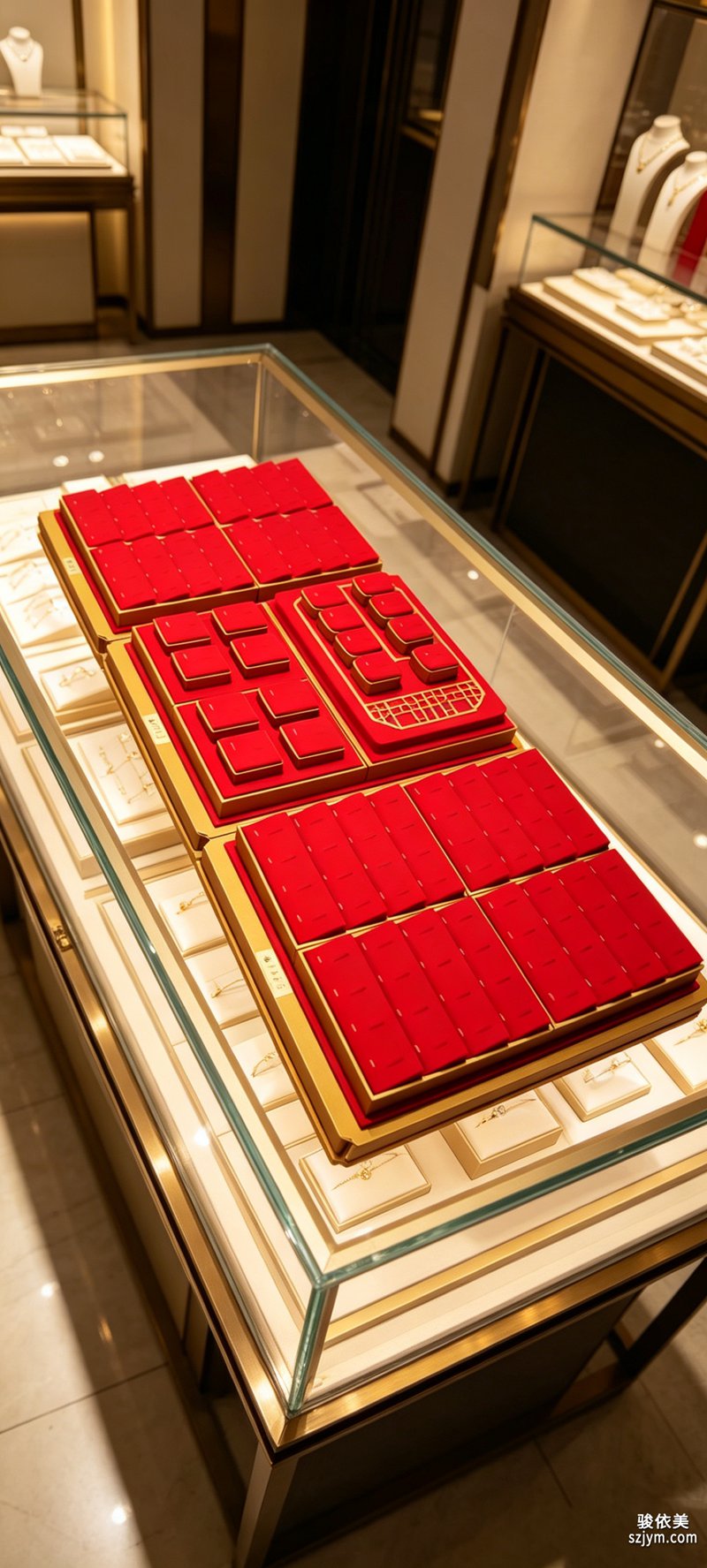 白手套是试戴时的门面。戴手套拿戒指,客人看着就觉得讲究。手套也分干净程度:碰过素圈的和碰过带钻的,我们分开摆,免得钻缝里沾了上一枚的粉底。这批手套我们随「首饰陈列道具DJ32」一起补,白棕撞色的模块化套装到货时,常顺手多要两打手套,不占地方。
放大镜还有个隐藏用法。现在不少客人挑钻自己拿手机怼着柜台玻璃拍,玻璃一反光,拍出来全是雾。我们干脆把带灯放大镜递过去,中性白光不偏色,钻石火彩看得准,客人也省得举着手机抖。这把镜子我们每周用酒精棉擦一次镜片,指印积多了光就发灰,照出来的钻也跟着灰。
开盒也用得上这些小物。客人选定后,我们从「珠宝首饰盒SH34」里取出试戴——墨绿哑光PU皮配24K镀金饰条,米白丝绒内衬,本身够体面;试完归位前,用绒布把盒内绒面顺一遍,磁吸扣轻合,再套回独立OPP防尘袋。这一步看着多余,却是不少回头客认我们家的原因:盒里永远没有指纹和毛絮。
柜台里这些小东西,单个都不值钱,凑不齐就处处别扭。我们店有个不成文的规矩:每天开门第一件事,是把这排小物摆回原位;闭店前最后一件事,是确认镊子归格、手套成对、放大镜像擦过。看起来琐碎,客人未必看见,但成交那一分钟里,你顺不顺手,他感受得到。
镊子只用尖头的,夹掉落在绒布缝里的碎钻、小耳堵特别顺手。但镊子不能跟首饰混放,有回新来的伙计把镊子扔进戒指格,客人自己拿货时指尖划了道红印,虽没大事,心里总过不去。所以我们给镊子单留一格,绝不进首饰槽。
放大镜带灯那把最金贵,电池没了就抓瞎。周五下班前换一次电池,顺手把绒布翻面——一面用脏了翻另一面,两面都油了就进洗衣袋。擦银布不能水洗,越洗越没用,脏了直接换,别心疼那几块钱。
白手套是试戴时的门面。戴手套拿戒指,客人看着就觉得讲究。手套也分干净程度:碰过素圈的和碰过带钻的,我们分开摆,免得钻缝里沾了上一枚的粉底。这批手套我们随「首饰陈列道具DJ32」一起补,白棕撞色的模块化套装到货时,常顺手多要两打手套,不占地方。
放大镜还有个隐藏用法。现在不少客人挑钻自己拿手机怼着柜台玻璃拍,玻璃一反光,拍出来全是雾。我们干脆把带灯放大镜递过去,中性白光不偏色,钻石火彩看得准,客人也省得举着手机抖。这把镜子我们每周用酒精棉擦一次镜片,指印积多了光就发灰,照出来的钻也跟着灰。
开盒也用得上这些小物。客人选定后,我们从「珠宝首饰盒SH34」里取出试戴——墨绿哑光PU皮配24K镀金饰条,米白丝绒内衬,本身够体面;试完归位前,用绒布把盒内绒面顺一遍,磁吸扣轻合,再套回独立OPP防尘袋。这一步看着多余,却是不少回头客认我们家的原因:盒里永远没有指纹和毛絮。
柜台里这些小东西,单个都不值钱,凑不齐就处处别扭。我们店有个不成文的规矩:每天开门第一件事,是把这排小物摆回原位;闭店前最后一件事,是确认镊子归格、手套成对、放大镜像擦过。看起来琐碎,客人未必看见,但成交那一分钟里,你顺不顺手,他感受得到。微信咨询WeChat
扫码添加微信咨询Scan QR code to add WeChat

©2005-2026 深圳骏依美首饰包装有限公司 版权所有 | 21年专注珠宝包装定制©2005-2026 Shenzhen Junyimei Jewelry Packaging Co., Ltd. All Rights Reserved | 21 Years Expertise
特别申明:网站上的图不作品牌复制,图例只作展示,如有不妥请联系我们删除!《品牌订制必需提供品牌授权书》Special Note: Images on this site are for display only, not brand copies. Contact us for removal if any issue arises. Brand customization requires a brand authorization letter.
网站备案/许可证编号:湘ICP备2023014570号Website Registration: Xiang ICP 2023014570

湘公网安备 43020302000290号
☎


