老客带朋友来挑款,是柜台最忙也最出活儿的十分钟。
平时柜台是一层一层立着摆的,客人自己逛、自己看,导购在旁边补位就行。可一带闺蜜、女儿或家人来,节奏立刻变了——她不是来随便看看,是要“比”。比长短、比粗细、比戴上的差别。这时候还让两人在玻璃柜前猫着腰眯眼瞧,既累又比不出名堂,朋友也容易失去耐心。
我们的做法,是把陈列从“立着展示”临时切换成“摊开比对”。珠宝首饰托盘TP29是木结构带玻璃罩的那款,平时罩子防尘,比款时掀了罩子,里面是米色绒面托盘,多层级能把项链、手链、吊坠分门别类平铺,每格深度刚好卡住一件,不会滚到一起。把它从柜里请出来当“对比盘”,三四件候选款往绒面上一放,链子不刮、客人一眼比出差别。TP29的木边框本身也是个话引子,客人摸着问材质,顺带就聊到保养,话题一开,成交常在后头。
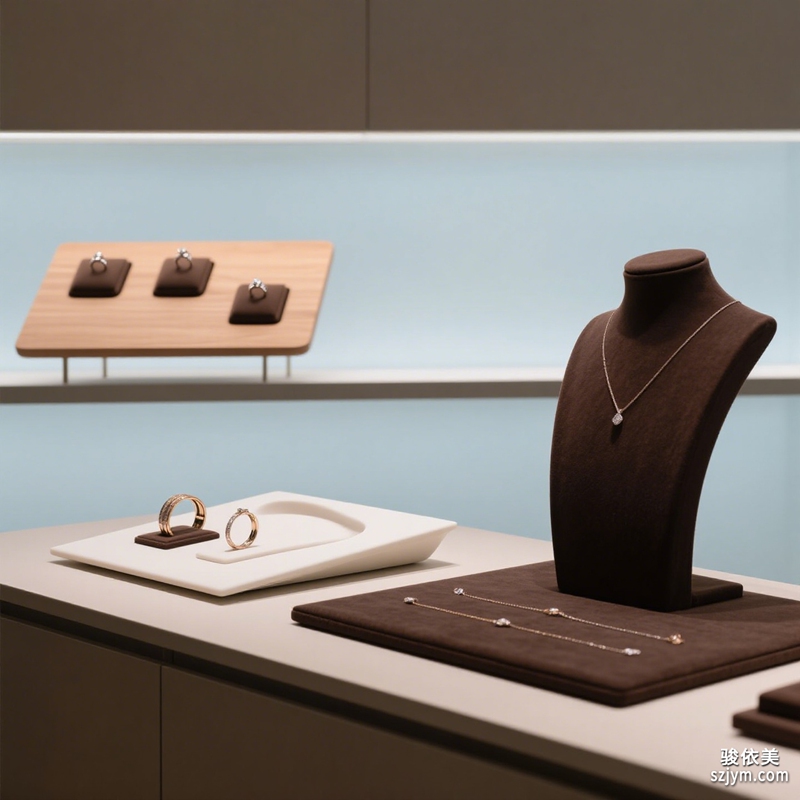
旁边再挪一套首饰陈列道具DJ28——米白配深灰撞色、模块化分区的那组。平时它是主陈列,比款时就推到柜台外侧,戒指、耳钉单独占一格,不跟项链混作一团。米色绒面不反光,比黑色绒更衬银饰,这点老客都认。DJ28的模块能单独拆下,比款时我们只取托盘那几格,不把整组搬乱。
挑项链最怕只看躺着比不出佩戴感。这时把项链人头像展架SJ23摆上:黑色丝绒人像配金色立柱,底座防滑,颈模高度刚好托住一条项链的垂坠,两条链子轮流挂上,朋友站一步外就能看“戴上的差别”。上次一位老客带女儿来挑毕业礼,就是两条链子在SJ23上轮流挂,女儿一眼相中那条细链。
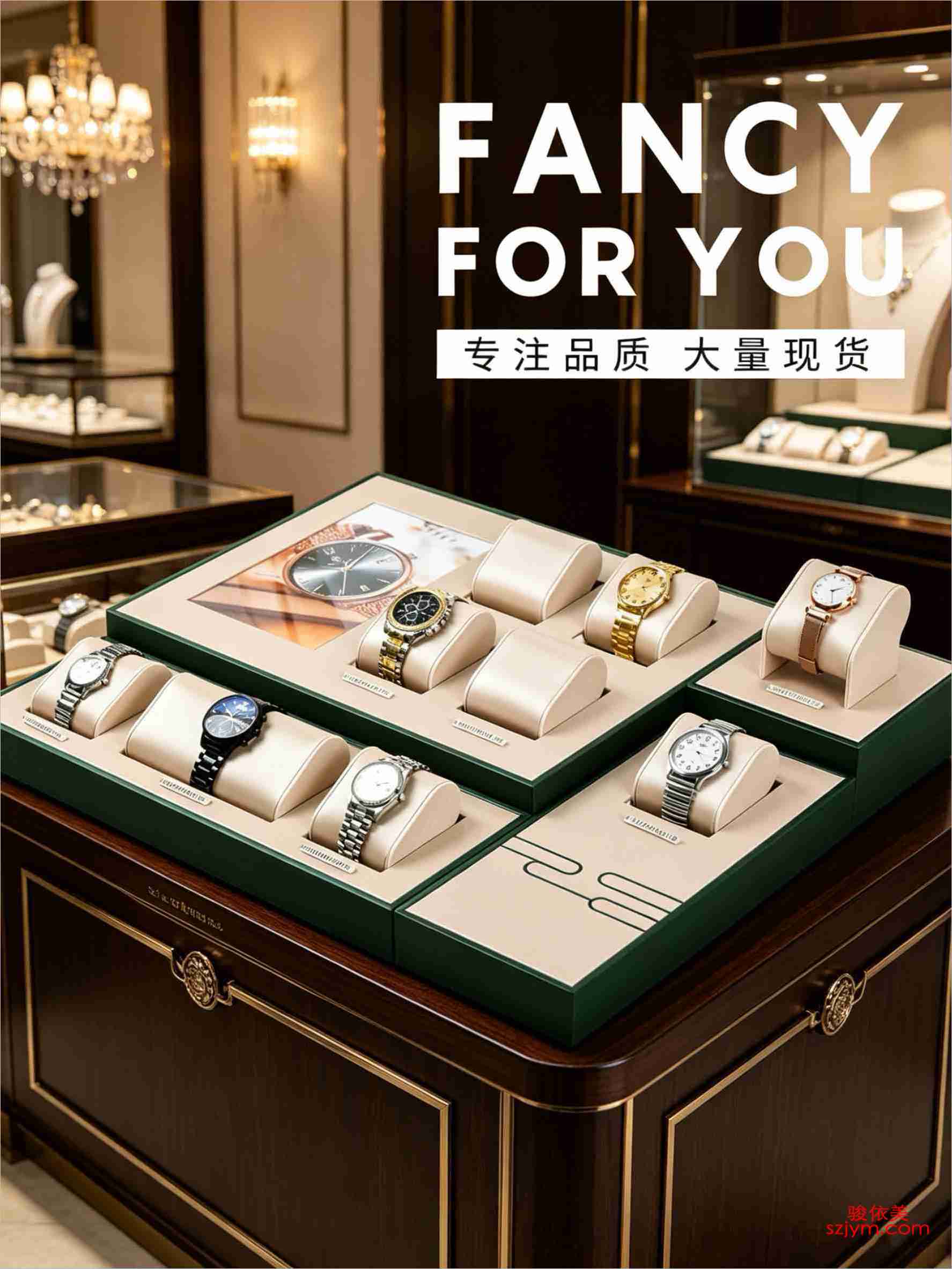
也有翻车的时候。一回摊了七八件,客人反而犯了难,选择困难;还有回客人手链刮到托盘硬边,留了道印子,比完得立刻收进柜擦。所以“铺开”不是越多越好,三四件刚好,托盘边也别堆硬物。
比完没买的,常顺手加个微信。这套临时铺开的陈列,其实是在留客。新来的柜姐最容易犯的,就是一激动铺满半张台,反而把人劝退。慢慢来,三四件、一个托盘、一个颈模,节奏就对了。
本文为原创内容,版权归深圳骏依美所有。如需转载请注明出处。
骏依美——老客带朋友来,柜台也要会铺排。When a regular brings a friend to help pick a piece, the counter gets busy in the best possible way — and those ten minutes often decide whether the sale happens.
On an ordinary day the showcase is staged vertically. Pieces stand in their trays, customers browse on their own, and the salesperson just fills in the gaps. The moment someone arrives with a friend, a daughter or a family member, the energy changes. She is not here to glance; she is here to compare — length against length, thickness against thickness, and how each piece actually looks worn. If you keep two people hunched over the glass squinting, they tire fast, decide nothing, and the friend loses patience.
Our fix is to flip the display from a 'standing show' into a 'laid-out comparison.' The jewelry tray TP29 is the wooden unit with a glass cover; the lid normally keeps dust off, but for a comparison session we lift it and get a beige velvet tray with multi-tier compartments that separate necklaces, bracelets and pendants, each slot deep enough to hold one piece so nothing rolls together. We pull TP29 out of the case and turn it into a 'compare board' — three or four candidate pieces laid flat on the velvet, chains unharmed, differences obvious at a single glance. The wooden frame of TP29 is itself a conversation starter: a customer runs a finger along the edge, asks about the material, and the talk drifts naturally into care, which is usually where the sale quietly begins.
Beside it we slide in the modular prop DJ28, the ivory-and-charcoal two-tone set. Normally it is the hero display; during a comparison we push it to the outer edge of the counter so rings and earrings get their own slot, clear of the necklaces. The beige velvet does not throw glare the way black velvet does, and it flatters silver far better — a small detail regulars have come to expect. The modules of DJ28 come apart, so for a comparison we only take the tray sections we need and never disturb the whole set.
The hard part of comparing necklaces is that flat-on-the-tray tells you nothing about wear. That is where the bust stand SJ23 earns its place: a black velvet bust on a gold-toned post with a non-slip base, the neck form sized just right to carry a necklace's drape. Hang two chains in turn and the friend standing a step back sees the real difference 'on the neck.' The last time a regular brought her daughter in for a graduation gift, it was two chains on the SJ23 in turn, and the daughter picked the fine one at a glance.
It goes wrong sometimes. Once we spread eight pieces and the customer froze with choice. Another time a customer's bracelet caught the hard edge of the tray and left a mark, so we now keep the compare board clear of any rigid object. So 'spread out' does not mean 'spread everything' — three or four is the sweet spot.
And the ones who leave without buying usually add us on WeChat. That temporary, laid-out display is really how we keep the customer close. The newest clerks make the same mistake every time: in the excitement they cover half the counter and talk the customer out the door. Slow down — three or four pieces, one tray, one bust — and the rhythm is right.
This is original content. Copyright belongs to Shenzhen Junyimei.
Junyimei — when a regular brings a friend, the counter should know how to lay it out.


