同一枚 18K 金戒指,在 A 店柜台里是暖暖的蜜糖色,搬到 B 店就发灰、发暗。货没换、价没变,变的是头顶那盏灯。多数珠宝店把灯光当成装修的收尾工序,等柜台、展柜都定完了才想起挑灯,结果成色全凭运气。灯光不是氛围,它是陈列的一部分,直接决定顾客眼里的货。
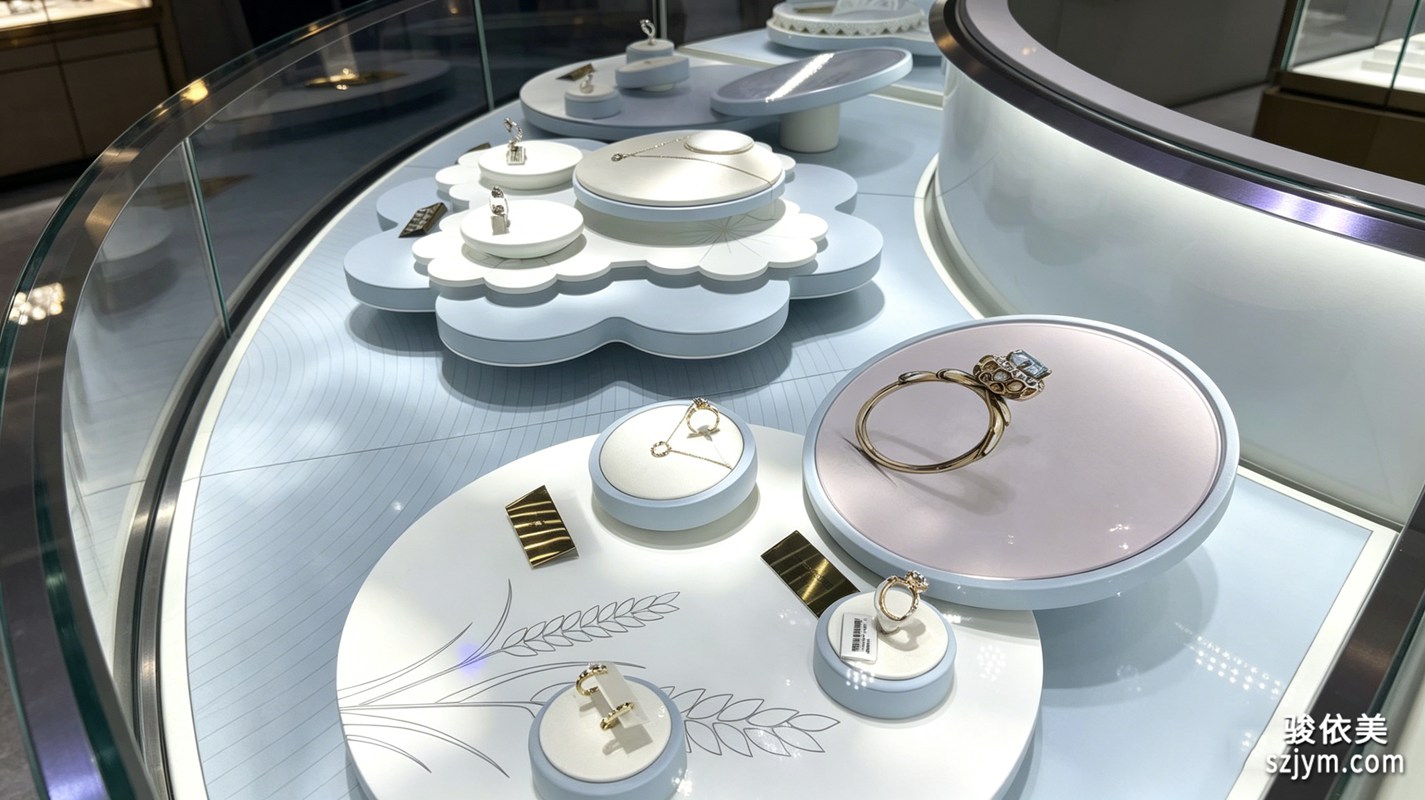
先说色温,单位是 K。3000K 左右的暖光会把黄金推得更黄、更「富贵」,可同一束光打在铂金和白色 K 金上,金属会发灰发闷,像蒙了一层雾。5000K 到 6000K 的冷白光对钻石友好,火彩才出得来;但黄金到了这种光下会发白、发假,看着像镀了一层。常见的做法是分区:黄金区压到 3000K 上下,钻石区和铂金区抬到 5000K 以上,中间用 4000K 过渡,一眼看过去整排柜台不会花。
比色温更容易被忽略的是显色指数 Ra。很多店只看包装上印的 Ra90,装完却发现红宝石还是不够亮。原因在算法上:Ra 是八块标准色板的平均分,代表饱和红的 R9 常常拖后腿——一盏标着 Ra90 的灯,R9 可能只有 50 上下,红宝石、尖晶石、石榴石这类暖色宝石就一起发暗。挑灯时单独要 R9 这个数,一般做到 80 以上才算稳。翡翠和玉器又是另一套:太黄的光会把绿压成灰绿,中性偏冷才显水头,所以玉器陈列摆台DJ10 那类展位通常单独配一组灯,不跟黄金区共用一路。
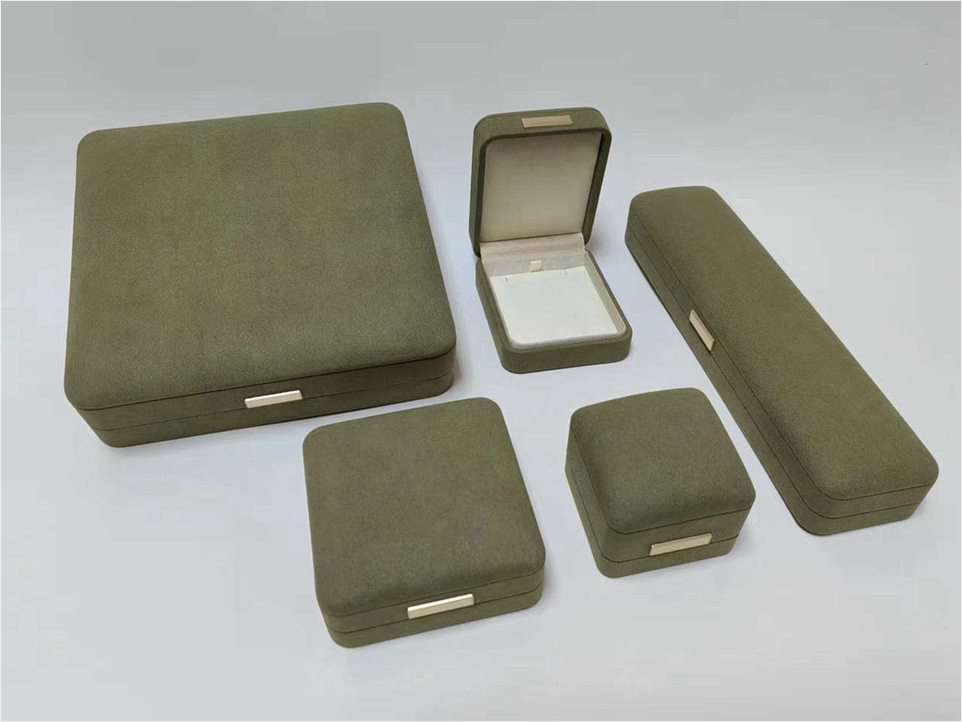
带灯的包装盒是同一套逻辑,只是空间更小、容错更低。带灯首饰盒SH16 这类产品把 LED 装进盒盖,开盒即亮,在柜台和直播间都好用。但盒内灯珠大多是 6000K 上下的白光,配白绒内衬会显得发青,换成米白或香槟色绒布就顺眼得多——灯色和内衬色必须一起定,不能各选各的。真要展示黄金,让工厂把灯珠换成 3000K 到 3500K,代价只是换一批灯珠,效果差一大截。这类调整在珠宝包装设计阶段提出来最省事,等大货开模再改,盒体结构都得跟着动。
翻车多半出在眩光和散热上。灯珠直接露在顾客视线里,会在宝石表面压出一块死白的高光,把切面全吃掉,加一片磨砂柔光罩就能解决,成本几毛钱。另一种是发热:盒内灯珠长时间点亮,热量闷在密闭盒体里,容易让绒布背胶软化脱层,开盒一股胶味。这个问题在带灯盒里比在展柜里更容易发生,因为展柜还有散热空间。直播场景更挑剔,珠宝橱窗陈列道具CH43、直播间高档展示架DJ6-1 这类带亚克力罩或镜面底的道具,在镜头前会二次反光,成片出现一块亮斑;换成哑光面、把灯挪到侧上方,比后期修图省事得多。
留个简单的检查顺序:先定卖的是黄金还是钻石,再定色温;然后要 R9,不要只看 Ra;最后才是灯位和柔光。三步走完,同一件货在灯下的成色就有底了。珠宝陈列道具这一行,调灯是最便宜、见效最快的一步,几百块把灯改对,比换一批货实在。
本文为原创内容,版权归骏依美所有,如需转载请注明出处。
骏依美——让每一件珠宝首饰,都被更好地呈现与爱戴。一站式解决首饰包装
A ring can look like warm honey in one showcase and turn grey the moment it moves to the next shop. Nothing about the ring changed. The lamp above it did. Most jewellery stores treat lighting as the last item on a fitting-out list, chosen long after the counters are built, and then wonder why stock looks flat. Lighting is not decoration. It is part of the display, and it decides what the customer thinks the piece is worth.
Start with colour temperature, measured in kelvin. Warm light around 3000K pushes gold richer and more traditional, but the same beam turns platinum and white gold dull, as if a thin fog had settled on the metal. Cool white somewhere between 5000K and 6000K flatters diamond, because that is where fire and scintillation read clearly. Put gold under the same light and it goes pale and slightly fake. The usual answer is zoning: hold the gold counter near 3000K, lift diamond and platinum above 5000K, and let 4000K bridge the two so the run of cases does not look patchy.
More misleading than colour temperature is the colour rendering index. Plenty of shops buy a fitting labelled Ra90 and then find their rubies still look muddy. The number hides how it is calculated. Ra is an average across eight pastel test colours, and R9, the patch that stands for saturated red, is usually the one that lets the fitting down. A lamp can print Ra90 on the box while its R9 sits near 50, and every warm stone in the case goes dark with it. Ask for R9 separately when you buy; something above 80 is a safe floor. Jade is its own case again: yellow light drains the green into grey-green, and a neutral to slightly cool source is what keeps the material looking alive. Stands such as the jade display piece DJ10 normally get their own circuit rather than sharing the gold counter.
Lit packaging follows the same rules in a much smaller box, which makes mistakes easier. Products like the lit jewellery box SH16 put an LED strip inside the lid so the piece lights up the moment the lid opens, which works well both on a counter and on camera. The catch is that most of these strips are white, around 6000K, and against a pure white velvet liner the whole interior reads slightly blue. A cream or champagne liner settles it. Lamp colour and liner colour have to be specified together, never separately. If the box is meant for gold, ask the factory for 3000K to 3500K strips. It costs one component change and the difference is immediate. Requests like this belong in the packaging design stage; after tooling starts, the box structure has to move with it.
Two failures come up again and again. The first is glare: when the LED sits directly in the customer line of sight it stamps a dead white highlight across the stone and eats every facet. A frosted diffuser fixes it for pennies. The second is heat. A strip burning for hours inside a closed box has nowhere to dump that heat, and the adhesive behind the velvet starts to soften, so the liner lifts and the box smells of glue. It happens more in lit boxes than in showcases simply because a showcase has air around it. Camera work is harsher still: props with acrylic covers or mirrored bases, such as the window prop CH43 or the livestream stand DJ6-1, throw a second reflection straight into the lens and leave a bright blob in the frame. A matt surface and a light moved up and to the side will save more time than any amount of retouching.
A short order of checks helps. Decide first whether the counter sells gold or diamond, then fix colour temperature. Ask for R9 next and do not stop at Ra. Deal with lamp position and diffusion last. Three steps, and the colour of the stock stops being a matter of luck. In this trade, correcting the light is the cheapest change with the fastest payoff; a few hundred spent on the right lamps beats replacing the stock.
This is original content. Copyright belongs to Junyimei.
Junyimei — present every jewel and timepiece at its best.


