去商场看首饰,你先看镜子——镜子里的自己戴上好不好看,往往比货本身更决定成交。可很多柜台偏偏在这件事上翻车:镜子太近照不全、太远看不清,灯光一打脸是黑的,客人瞄一眼就放下走了。珍珠、彩宝这些对光线敏感的货,镜子和灯光的配合尤其关键,弄好了是"化妆师",弄不好就是"劝退师"。
先说灯光。珍珠要的是中性白光,视觉上最接近自然光,珠子的镜面光泽和晕彩能完整呈现;偏黄的暖光把珍珠照得发闷,偏冷的强光又让珠光发"贼"。彩色宝石正好反过来——稍微偏暖一点的光能把红宝石、碧玺的浓艳烘托出来,但别用射灯直射太久,宝石在强光下暴晒,台面烫手不说,部分宝石的色泽会受影响。金饰用暖光最显贵气,很多老店柜台里那一层淡金色灯光,就是给金货准备的。
再说镜子。试戴镜的位置和角度有个讲究:镜子要正对主光源,但人站的位置不能让灯光直射眼睛。最舒服的配置是镜子在接待位侧前方30到45度角,客人坐下试戴,抬眼就是镜子里完整的自己,光从侧面来,脸上不刺眼,货品的细节又看得清。镜子高度也要调——看项链和看耳环,视线角度不一样,柜台里配一面可上下微调的镜子,比固定一面大镜实用得多。
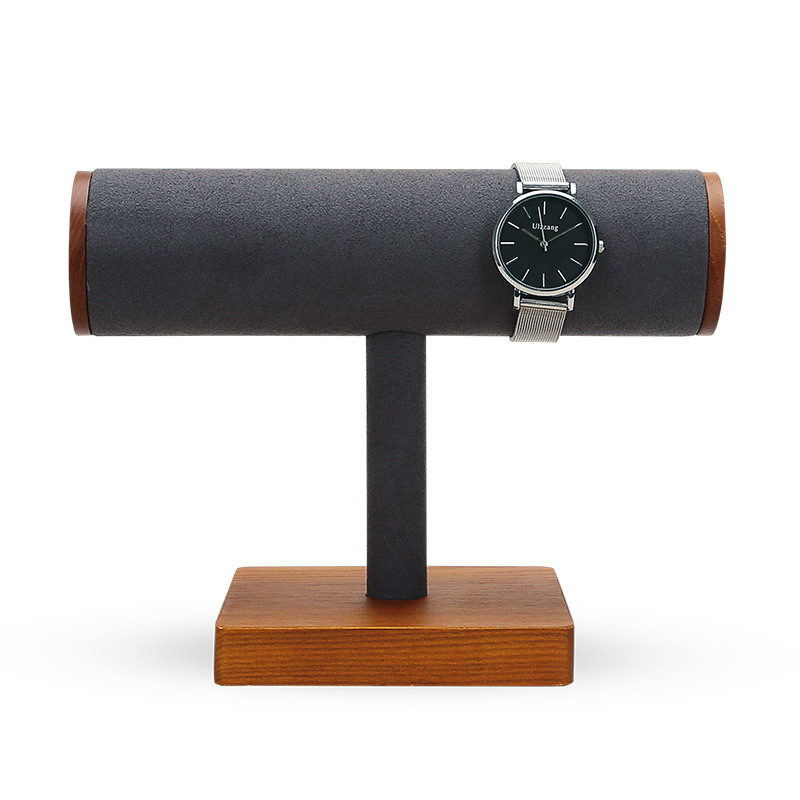
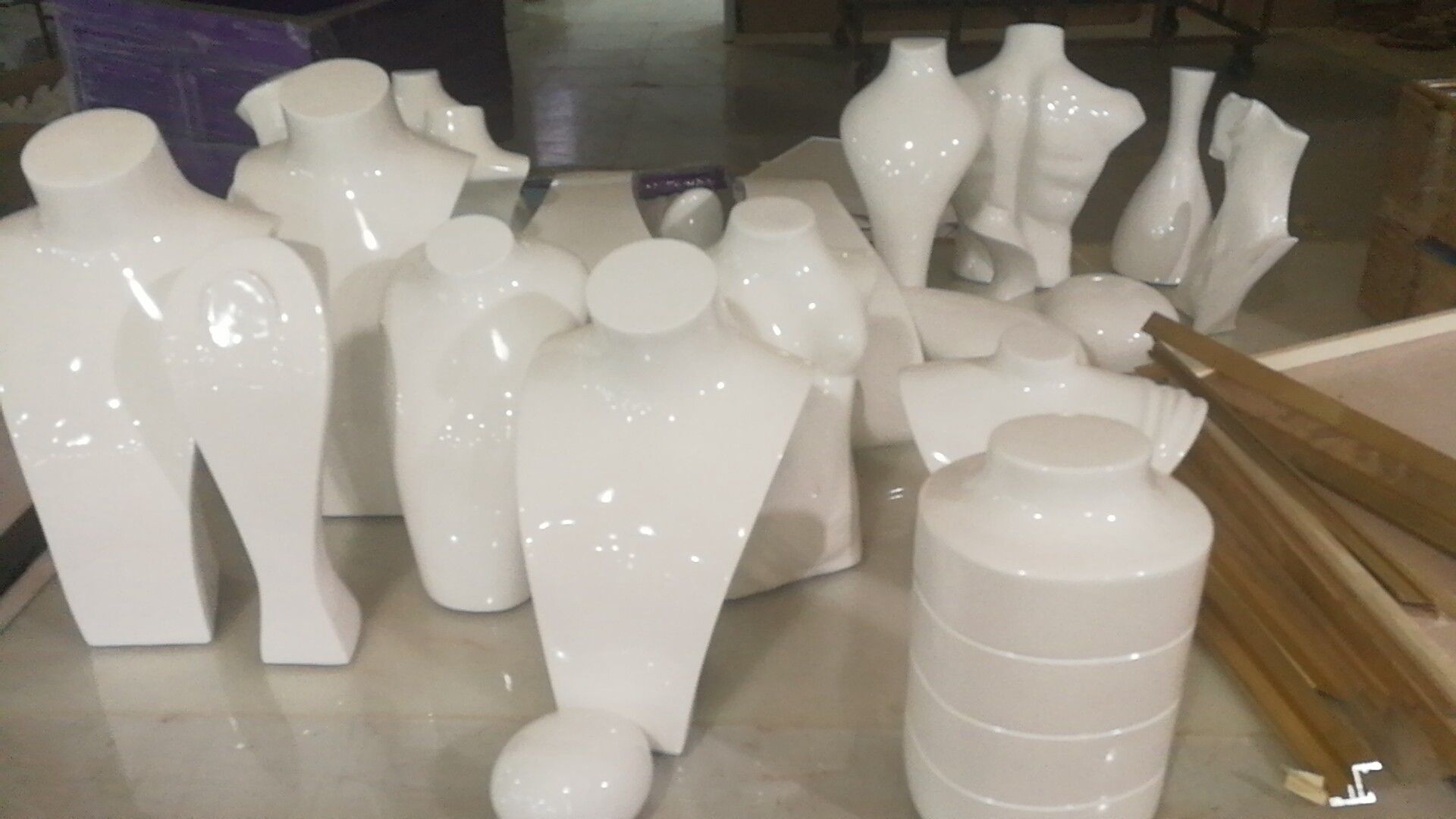
托盘是容易忽略的一环。珍珠、彩宝垫什么很关键:绒面分格托盘能固定住串链不滚动,垫软布,珠子不磕不磨;展示架按品类分区,珍珠区、彩宝区、金饰区分开,配色不打架,客人一眼能找到自己想看的品类。
还有个小细节:镜子和托盘每天收柜前擦一遍。指纹和浮尘在灯光下一照,全成了"划痕",客人还没试戴就先觉得货旧。门店的镜面、台面、托盘干净程度,直接影响客人对货品成色的判断——这一点上,卫生就是档次。灯、镜、托盘三件套配齐,珍珠彩宝上柜就有了"化妆师",试戴的客人留下来,成交就是水到渠成的事。
落到参数上也不难记:珠宝柜台的照度一般控制在600到900勒克斯,珍珠区用4000K上下、最接近自然光的中性白光,彩宝区可以到4500K左右,金饰区用3000K左右的暖光。别追求全店一个色温——分区打光,货品的性格才出得来。
镜子还有个联动妙用:在镜子旁边放一两件"焦点款"——串珠链、大颗吊坠,客人照镜子时视线自然落在身上这件首饰上,试戴的主动意愿高很多。镜子不只是用来"照人",更是用来"引货"的,这个思路很多店没转过弯来。
In a jewelry store, customers look at the mirror first — whether they look good wearing it usually decides the sale more than the piece itself. Yet many counters stumble right here: mirrors too close, too far, faces in shadow, and customers put the piece down and walk away. For light-sensitive goods like pearls and colored stones, the mirror-and-light combination is everything — done right it's a makeup artist; done wrong, a sales repeller.
Light first. Pearls want neutral white light, closest to daylight; the mirror sheen and overtones show fully. Warm yellow light makes pearls look dull; harsh cool light makes the glow look fake. Colored stones flip it: a slightly warmer beam brings out the depth of rubies and tourmalines — but never point a spotlight at them for hours. Hot counters and long exposure can dull certain stones. Gold jewelry reads richest under warm light; that soft golden glow in old stores exists for a reason.
Mirror placement matters. Place the try-on mirror so it faces the main light, but the customer shouldn't look into the lamp. The comfortable setup: mirror at 30-45 degrees in front of the seat; the customer sits, looks up, sees a complete self; light comes from the side, no glare, every detail crisp. Adjustable height also helps — necklaces and earrings are viewed at different angles; a mirror that tilts beats one fixed panel.
Trays are the forgotten link. How pearls and colored stones rest matters: velvet compartment trays hold strands in place, with a soft base so beads don't knock or scratch. Zone display by category — pearls, colored stones, gold apart — so colors don't fight and customers find what they want at a glance.
One small ritual: wipe mirrors and trays every night. Fingerprints and dust read as "scratches" under light; customers judge the goods dirty before trying. Cleanliness is grade. Set up light, mirror and tray as a trio, and pearls and colored stones get their "makeup artist" — customers stay, and the sale follows.
Putting numbers on it is easy to remember: jewelry counters run 600-900 lux; the pearl zone sits around 4000K neutral white, closest to daylight; colored stones can go to about 4500K; gold reads best at around 3000K warm light. Don't chase one color temperature for the whole store — zone the light and each goods' character comes out.
Mirrors have another trick: place one or two "hero pieces" beside the mirror — bead strands, large pendants. When customers check themselves, their eyes land on the jewelry they're wearing, and the urge to try on climbs. A mirror isn't only for "seeing yourself"; it's for "pulling the goods" — many stores haven't made that turn yet.